Quranic Answer
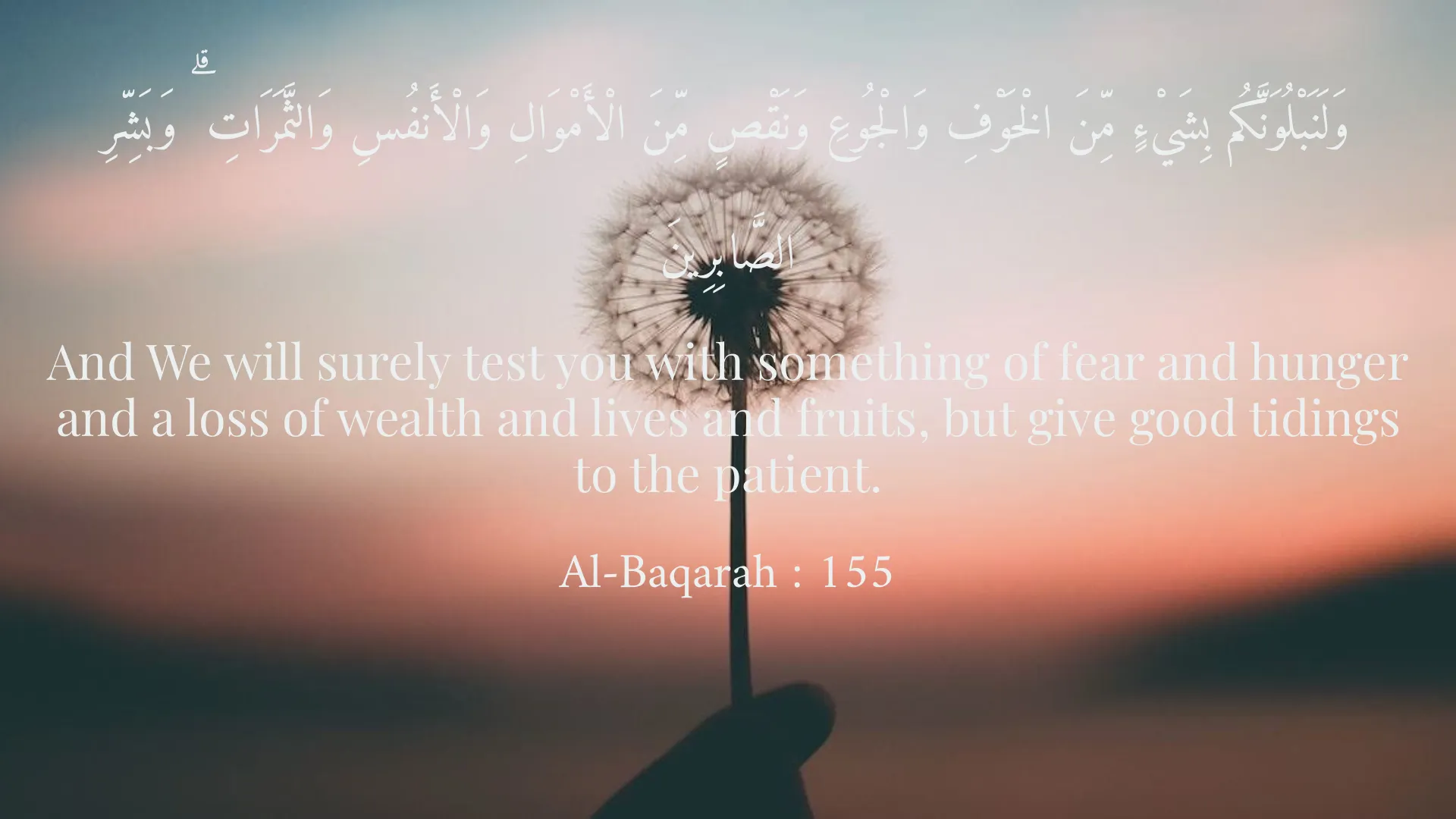
From the perspective of the Holy Quran, worldly life is full of divine wisdoms and tests, and suffering experienced by human beings, even despite relentless efforts, is an integral part of this divine path. This is neither an indication of injustice nor a reason for the ineffectiveness of efforts; rather, it is a manifestation of the will and wisdom of Almighty God, carried out for noble and meaningful purposes. The Quran clearly states that life in this world has a probationary nature, and God tests His servants with various blessings and hardships to gauge their faith, strengthen their patience, and enable them to attain higher ranks. These sufferings, though seemingly unpleasant, inherently contain profound lessons, opportunities, and immense rewards. One of the most significant reasons for suffering is the concept of 'Ibtila' or divine trial. In Surah Al-Baqarah, verse 155, Allah says: "And We will surely test you with something of fear and hunger and a loss of wealth and lives and fruits, but give good tidings to the patient." This verse clearly indicates that trials and tribulations in various forms are part of the divine decree for every human being. The purpose of these trials is to purify faith, distinguish the truthful from the false, and provide opportunities for spiritual growth and elevation. By facing difficulties and striving to overcome them, individuals strengthen their inner qualities and draw closer to God. Sufferings can serve as bridges to deeper understanding and a better comprehension of oneself and the Creator of existence. Another reason is the 'atonement for sins.' According to Islamic teachings, the sufferings that a person endures in this world can be a means of purification from past sins and mistakes. Every hardship and calamity endured with patience and divine acceptance acts like a purifying furnace, eliminating the spiritual impurities of the human soul and making it pure and clean for entry into the eternal abode. In this view, suffering is not merely a punishment but an opportunity for purification and return to the pure human nature. The Prophet Muhammad (PBUH) said: "No misfortune befalls a believer but that Allah forgives his sins because of it." This narration shows us that even a thorn pricking a person's foot, if accompanied by patience, can lead to the forgiveness of a sin. Furthermore, sufferings are an opportunity for 'elevation of status' and attaining high ranks in the sight of God. Believers who, despite great efforts and fulfilling their duties, still encounter hardship and difficulty in life, are in fact treading a path whose reward in this world is incomparable. God grants the patient and steadfast their full and boundless reward in the Hereafter. The Quran states in Surah Az-Zumar, verse 10: "Indeed, the patient will be given their reward without account." This divine promise brings solace to hearts that do not lose hope in God's grace amidst their sufferings. Another crucial point highlighted by the Quran is 'Divine Wisdom.' Many events and sufferings possess wisdoms that are beyond our limited human comprehension. Perhaps there is a good hidden within what appears to be evil, of which we are unaware. What we perceive as suffering might actually be a means to prevent a greater suffering in the future or a way to attain a blessing that is only accessible through that hardship. Humans must have faith in divine decree and God's infinite knowledge, knowing that He never wrongs His servants and all His measures are out of mercy and wisdom. In Surah Al-Inshirah, verses 5 and 6, Allah says: "For indeed, with hardship [will be] ease. Indeed, with hardship [will be] ease." This verse is repeated twice to bring reassurance and peace to the human heart, indicating that no hardship is permanent and ease and relief will surely follow every suffering. Finally, sufferings remind humans to understand the 'transient nature of this world' and not to become overly attached to it. If worldly life were always filled with comfort and ease, humans might forget the true purpose of their creation and become engrossed in the fleeting pleasures of this world. However, sufferings and problems act as a jolt, prompting humans to reflect on the Hereafter and the higher purpose of life. This perspective encourages individuals to shift their focus from merely seeking comfort in this world to striving for eternal happiness in the Hereafter. Therefore, in the Quranic view, suffering is not merely a calamity but an opportunity for growth, purification, elevation of status, and a reminder of human existence's true purpose on the path of servitude and drawing closer to God.
Related Verses
وَلَنَبْلُوَنَّكُم بِشَيْءٍ مِّنَ الْخَوْفِ وَالْجُوعِ وَنَقْصٍ مِّنَ الْأَمْوَالِ وَالْأَنفُسِ وَالثَّمَرَاتِ ۗ وَبَشِّرِ الصَّابِرِينَ
And We will surely test you with something of fear and hunger and a loss of wealth and lives and fruits, but give good tidings to the patient.
Al-Baqarah : 155
فَإِنَّ مَعَ الْعُسْرِ يُسْرًا
For indeed, with hardship [will be] ease.
Al-Inshirah : 5
إِنَّ مَعَ الْعُسْرِ يُسْرًا
Indeed, with hardship [will be] ease.
Al-Inshirah : 6
Short Story
It is said that in ancient times, there lived a wealthy and wise merchant who had spent his entire life striving for wealth and comfort. He worked day and night, accumulating vast riches, but was always worried that he might lose everything one day. On the other side of the city, in a humble corner, lived a simple-hearted dervish who owned nothing but always had a smile on his face. One day, the worried and sorrowful merchant passed by the dervish and saw him calm and happy despite having nothing. The merchant asked, "O Dervish, with all my wealth and possessions, I am constantly in anguish and fearful of tomorrow. How can you be so peaceful and content with empty hands?" The dervish replied with a warm smile, "My friend, you have attached your heart to transient worldly treasures, while I have attached mine to the boundless divine treasure. The sufferings of this world are like water poured on the fire of attachments, to lighten our being. I strive to learn from these trials and have faith in divine wisdom that after every hardship, there is ease. True comfort lies not in possessing, but in letting go and entrusting oneself to God." Hearing these words, the merchant pondered deeply and felt a sense of peace in his heart that he had never experienced before.