Quranic Answer
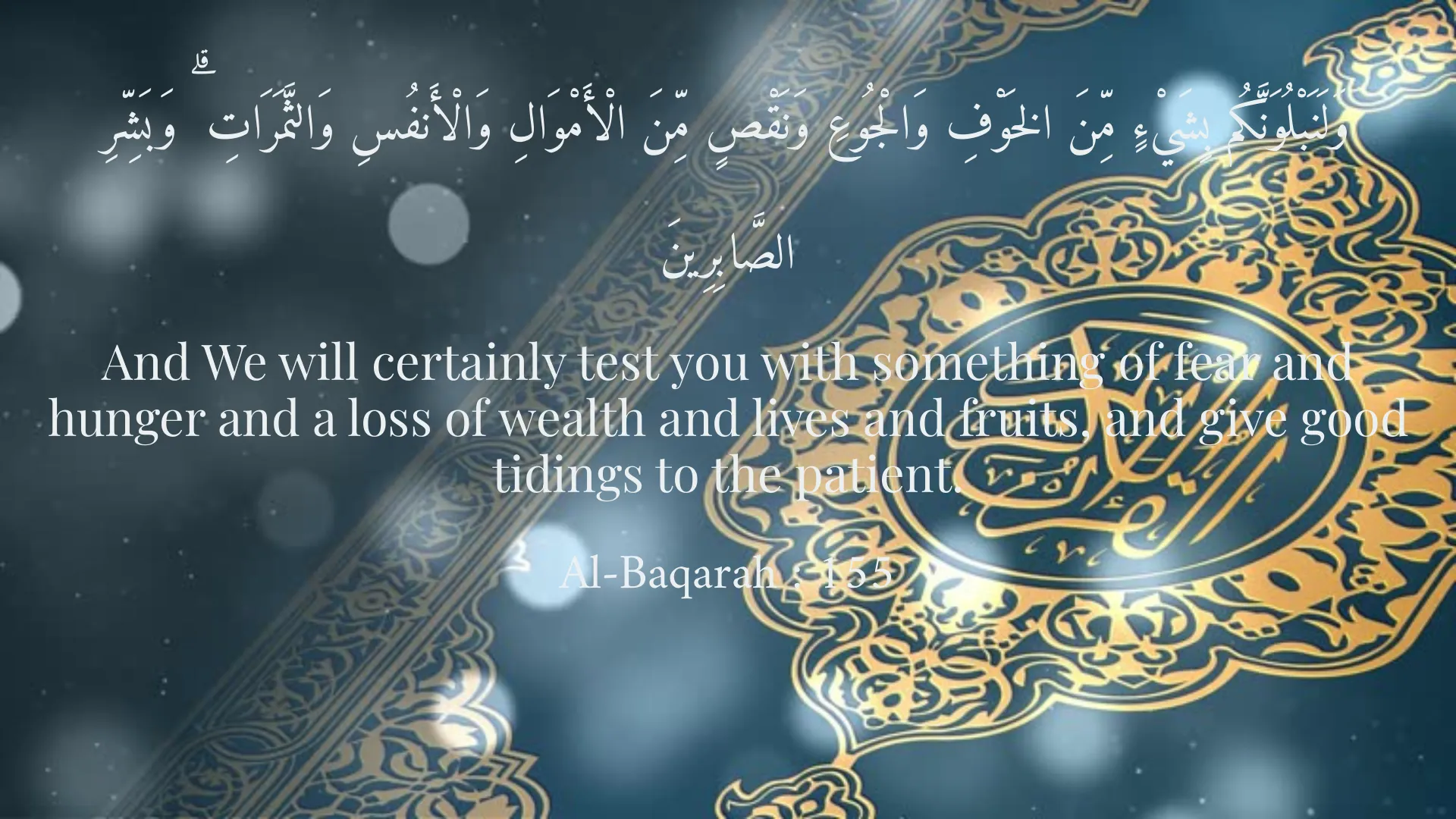
In the Holy Quran, there are many profound concepts and clarifications regarding why God sometimes does not grant us the things we desire. It is important to explore these philosophical and theological ideas to gain a deeper understanding of the nature of divine will and human aspirations. The Quran serves as a guide for millions around the world, providing insights into the relationship between humanity and its Creator, particularly concerning the issue of unfulfilled desires. One of the central themes in the Quran is that Allah's compassion and mercy surpass all of our requests and wants. This establishes the framework within which we must understand the reasons for ungranted prayers. The Quran emphasizes that while humans have their limited perceptions and desires, God’s wisdom and understanding are infinite and all-encompassing. In this context, it becomes evident that our desires do not always align with what is best for us. In Surah Al-Baqarah, verses 155-157, Allah states: 'And We will certainly test you with something of fear and hunger and a loss of wealth and lives and fruits, and give good tidings to the patient.' This verse elucidates the concept of trials and tests. It conveys that life itself is a series of tests, where believers are invited to endure challenges with patience and perseverance. Tests may include physical deprivation, emotional distress, and even loss. However, the verse also provides hope and assurance by advising believers to remain steadfast and patient amid trials. The act of patient endurance transforms challenges into opportunities for spiritual growth and deepening faith. The wisdom behind testing believers is multifaceted. Firstly, it serves as a measure of one’s faith and resilience. Individuals who face hardships and trials often emerge stronger, building character and a deeper connection with their Creator. In that sense, God’s refusal or delay in granting our desires becomes a means of spiritual refinement. It nudges individuals toward introspection and growth, helping them to develop strong bonds with the phenomenal essence of Divine wisdom. Moreover, sometimes what we fervently desire may not be beneficial for us, and God, in His omniscience, knows what is better for us. This is beautifully captured in Surah Al-Ma'idah, verse 101, where Allah mentions: 'O you who have believed, do not ask about things which, if shown to you, would distress you…'. This verse serves as a directive for believers to exercise restraint in their inquiries about certain matters that, if elucidated, might lead to distress and suffering. It speaks to the limitations of human understanding; there are aspects of life and destiny that are beyond our comprehension. By invoking this powerful message, the Quran urges believers to trust in God’s wisdom. There may be aspects of our requests that, if fulfilled, could lead to unforeseen consequences—ones that transcend our immediate understanding. God's judgment is based on a holistic view of our lives, which we, as humans, may not be privy to. Thus, the non-fulfillment of certain desires can act as divine protection, guiding us away from potential harm, disappointment, or spiritual detriment. In examining the broader spectrum of desires unfulfilled by God, another vital reason emerges: the timing of our requests. At times, individuals may find that their requests are delayed, which could stem from divine wisdom and perfect timing. God’s timeline is inherently different from our own; what we perceive as a delay might actually be a part of a grander, more intricate plan designed for our ultimate benefit. Just as a gardener waits patiently for seeds to germinate and grow, so does God orchestrate the events of our lives in accordance with a divine timetable. This aspect also emphasizes the importance of patience and trust in God’s plan. A wise practitioner of faith learns to remain hopeful and to await divine intervention, believing that there is always a better time for their desires to be fulfilled. Delays can cultivate patience and resilience, attributes that are precious in both spiritual and worldly contexts. They teach believers the essence of reliance on God’s knowledge, allowing them to cultivate a deeper reliance on Him. In considering God’s profound wisdom, believers are encouraged to surrender their desires to Him. The act of submission may not come easily, especially when tangible goals seem urgent or vital. However, doing so allows for spiritual liberation and an opening to deeper exploration. By shifting the focus from purely material desires to spiritual enrichment, believers may find greater solace and peace through the trials of life. The Quran also touches upon the importance of gratitude, regardless of life’s circumstances. Practicing gratitude in the face of unmet desires can transform one’s perspective. When one recognizes the countless blessings already present in life, a shift occurs—from a state of longing to one of contentment and appreciation. This aligns with the Quranic teachings that affirm the significance of acknowledging God’s favors while balancing aspirations with humility and patience. In conclusion, the questions surrounding ungranted desires and prayers are complex and layered within Islamic teachings. The Quran provides profound insights into the nature of divine will, the importance of tests and trials, and the need for patience and gratitude. Instead of viewing unfulfilled desires as failures, believers are encouraged to reflect on the wisdom behind them and trust in God’s plan. God knows what is best for us, and through His compassion, we can find peace in both the fulfillment and the delay of our desires. Ultimately, the journey of faith is not merely about what we want, but about how we grow through our experiences, leading to a deeper relationship with the Divine.
Related Verses
وَلَنَبْلُوَنَّكُم بِشَيْءٍ مِّنَ الخَوْفِ وَالْجُوعِ وَنَقْصٍ مِّنَ الْأَمْوَالِ وَالْأَنفُسِ وَالثَّمَرَاتِ ۗ وَبَشِّرِ الصَّابِرِينَ
And We will certainly test you with something of fear and hunger and a loss of wealth and lives and fruits, and give good tidings to the patient.
Al-Baqarah : 155
يَا أَيُّهَا الَّذِينَ آمَنُوا لَا تَسْأَلُوا عَنْ أَشْيَاءَ إِن تُبْدَ لَكُمْ تَسُؤْكُمْ...
O you who have believed, do not ask about things which, if shown to you, would distress you...
Al-Ma'idah : 101
Short Story
One day, Adel prayed to Allah, asking Him to fulfill his wishes. After some time and realizing his requests went unanswered, he felt disheartened. However, upon reflection of the Quranic verses, he understood that God acts in his best interest, and perhaps the unfulfilled desires were for a better outcome. He decided to be patient and trust in Allah.