Quranic Answer
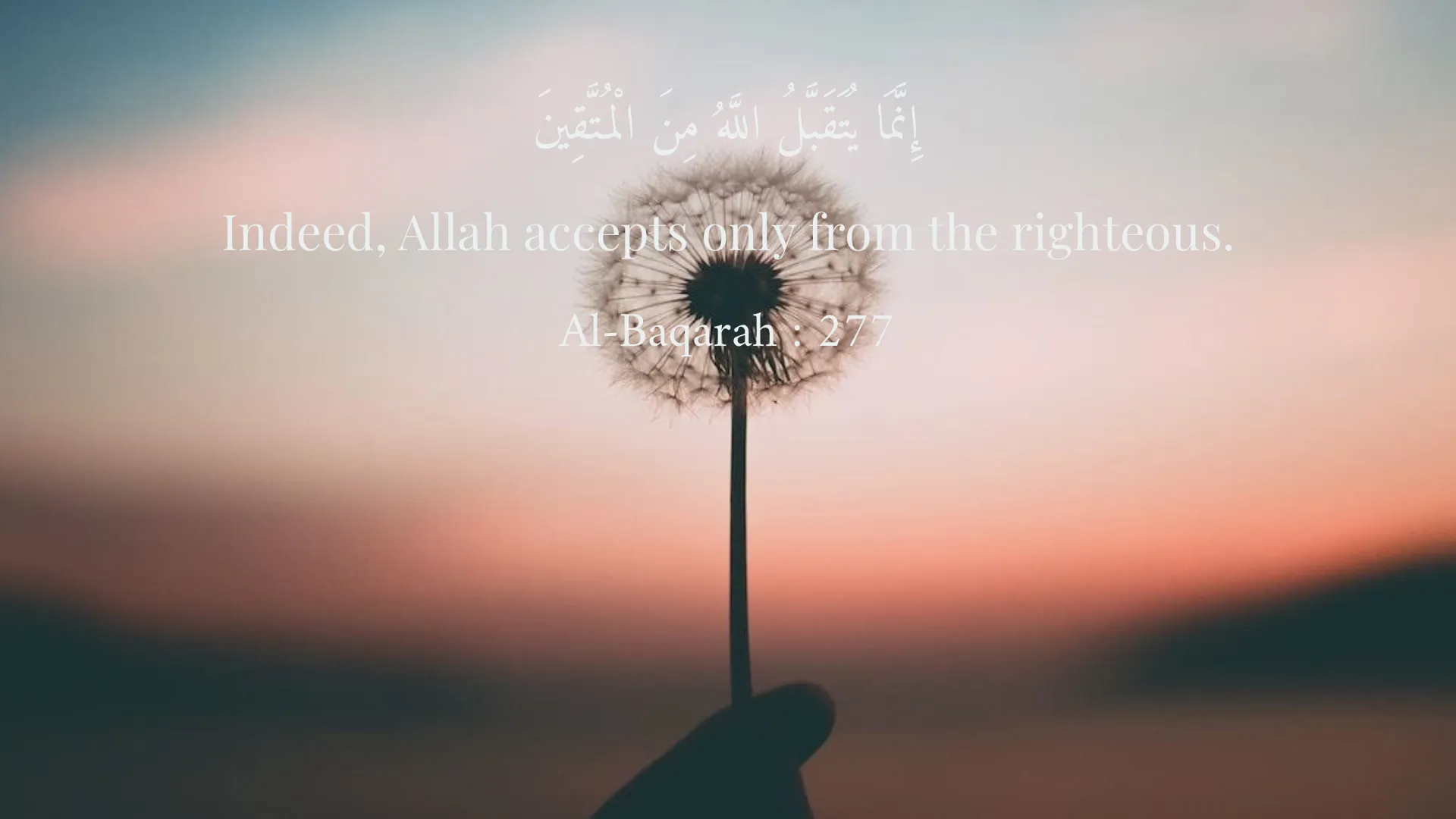
True faith in the Quran is not merely a superficial belief that rests in one's heart; rather, it is viewed as a profound and inner state that must align harmoniously with one’s actions. The essence of this belief is thoroughly rooted in the teachings of Islam, which stress the significance of integrating faith with deeds to achieve the multifaceted objectives of one's existence. The Quran, which is regarded as the ultimate guide for all Muslims, offers clear and compelling insights regarding the connection between faith and righteous actions through numerous verses. Allah emphasizes this integral relationship multiple times, illustrating that mere belief is insufficient for attaining His acceptance. In Surah Al-Baqarah, verse 277, it clearly states, 'Indeed, Allah accepts only from the righteous.' This assertion underscores the critical notion that actions stemming from a pure and sincere heart are the ones that resonate positively with God. In other words, belief without action is like a fruitless tree, unable to yield the sweet results that come from faith manifested through righteous deeds. Furthermore, the Quran articulates the attributes of genuine believers, underscoring their humility and submission during prayer. Notably, in Surah Al-Mu’minun, verses 1 and 2, it states, 'Certainly will the believers have succeeded: They who are during their prayer humbly submissive.' These verses illuminate how the Islamic conception of faith is interwoven with a comportment of humility and devotion. Such traits signify that those who believe in Allah do not just recite affirmations of faith but also embody this faith through their actions, particularly in the sacred sphere of prayer. Through humility in prayer and righteous actions outside of it, believers reflect both their love for God and the sincerity inherent in their faith. Their actions, when aligned with their beliefs, serve as a testament to their devotion. As the relationship between faith and action is symbiotic, one cannot truly claim to have reached the pinnacle of faith without engaging in good deeds. Allah, in His infinite wisdom, has equipped humanity with ample verses in the Quran that emphasize the imperative of righteous actions. He has made it abundantly clear that genuine faith must be coupled with tangible steps towards pleasing Him. In the teachings of the Quran, there is repetitive encouragement to link faith with good actions throughout daily life. Without a foundation of action to support it, faith risks becoming an empty label devoid of substance. As believers, it is vital to recognize that claims of faith must be validated by one’s conduct. Each individual is called to reflect on their actions, to ensure they are not merely professing allegiance to a belief system while neglecting the essential manifestations that accompany such belief. In essence, a disconnect between faith and action indicates a deficiency in that faith; thus, Allah desires for His followers to engage wholeheartedly in acts of kindness, charity, and righteousness. The Quran's guidance regarding righteous deeds transcends mere directives; it serves as an invitation to an enriched and meaningful life dedicated to serving Allah, serving oneself, and serving others. For instance, the Quran is replete with references to the importance of charity (Zakat) and helping the needy. Surah Al-Baqarah, verse 177 states, 'Righteousness is not that you turn your faces toward the east or the west, but [true] righteousness is in one who believes in Allah, the Last Day, the Angels, the Book, and the Prophets and gives his wealth, in spite of love for it, to relatives, orphans, the needy, the traveler, those who ask [for help], and for freeing slaves; [and who] establishes prayer and gives Zakat; [those who] fulfill their promise when they promise; and [those who] are patient in poverty and hardship and during battle. Those are the ones who have been true, and it is those who are the righteous.' This verse reaffirms that righteousness extends beyond mere belief to encompass various forms of charitable actions and compassionate behaviors toward others. True faith urges believers to partake actively in their communities, fostering an environment where altruism and goodwill thrive. By acting righteously, believers not only seek God’s pleasure but also contribute to the well-being of the society as a whole, creating a ripple effect that benefits everyone. Moreover, the themes of accountability and awareness are also critical components in the relationship between faith and righteous actions. According to Islamic teachings, believers are prompted to regularly reflect on their deeds and assess their alignment with divine expectations. Surah Al-Zalzalah highlights this point by stating that individuals will be shown their deeds on the Day of Resurrection, thereby emphasizing the importance of acting righteously. In summary, true faith in the Quran is a rich and multi-layered construct that cannot flourish without righteous action. Each verse elucidates that faith and deeds are interdependent; one cannot exist meaningfully without the other. Allah’s guidance in the Quran serves as a wealth of knowledge urging believers to engage actively in good works while nurturing their faith. As members of a community, by cultivating actions that reflect our beliefs, we reinforce our faith, enhance our spiritual connection with Allah, and undertake our shared responsibilities toward one another. Therefore, it is crucial to acknowledge the essential principle that good actions flow from faith, and through our efforts to connect them, we can achieve a harmonious existence dedicated to the worship of Allah and service to humanity.
Related Verses
إِنَّمَا يُتَقَبَّلُ اللَّهُ مِنَ الْمُتَّقِينَ
Indeed, Allah accepts only from the righteous.
Al-Baqarah : 277
قَدَ أَفْلَحَ الْمُؤْمِنُونَ
Certainly will the believers have succeeded.
Al-Mu'minun : 1
الَّذِينَ هُمْ فِي صَلاَتِهِمْ خَاشِعُونَ
They who are during their prayer humbly submissive.
Al-Mu'minun : 2
Short Story
Once upon a time, in a small village, there lived a man known as Hassan. Hassan loved God and always wished to serve Him in the best way possible. Every day, he acted with faith and confidence, helping orphans and promptly standing by those in need. Hassan knew well that faith without action was like a tree that bears no fruit. He often said, 'Faith and action are like two wings of a bird; without one, the other is meaningless.'