Quranic Answer
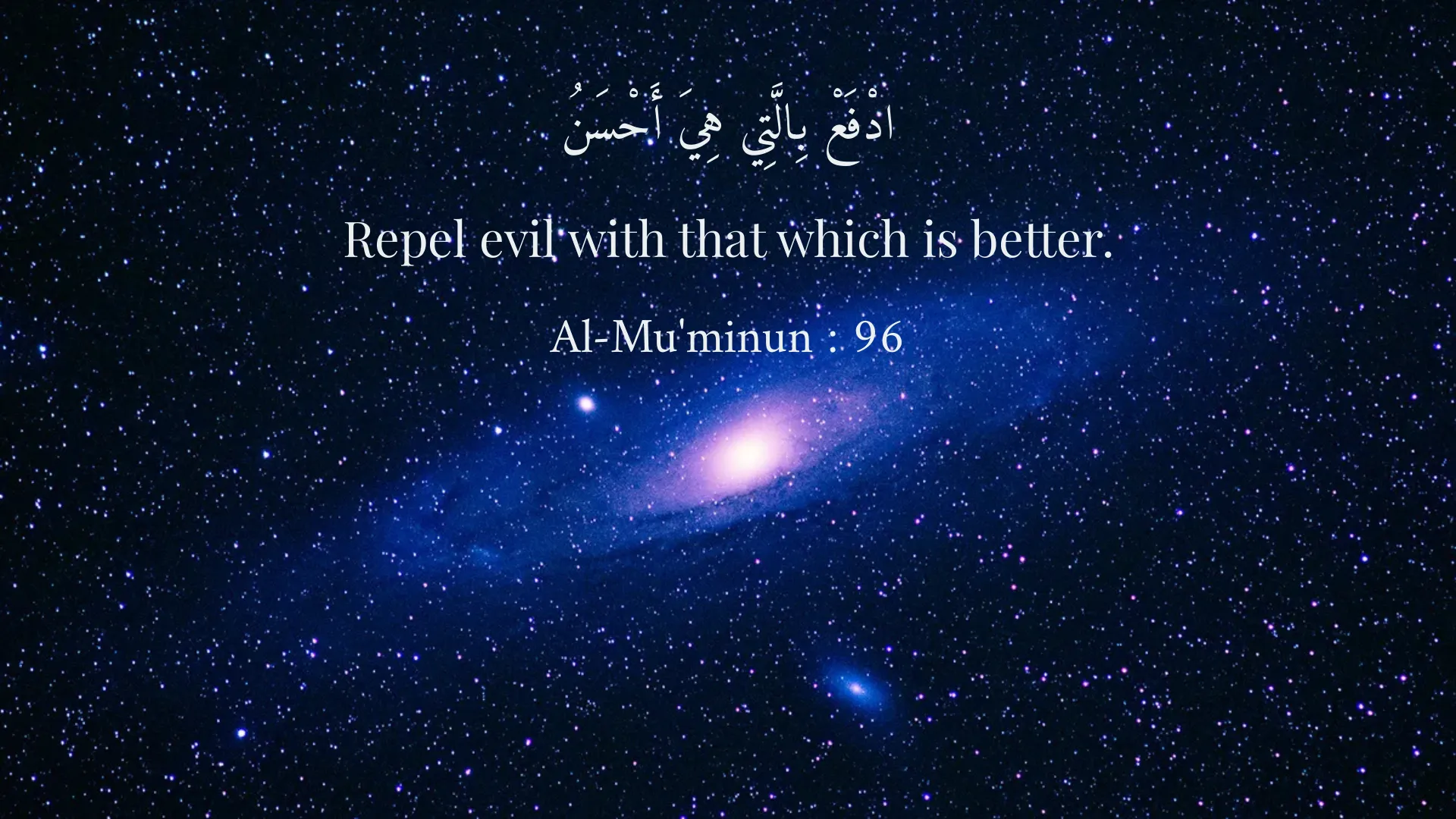
Mercy and compassion are two profound traits that resonate deeply within the hearts of individuals who strive for honor and seek the pinnacle of human perfection. These virtues serve as guiding principles in our interactions with others and reflect the inherent goodness within humanity. The emphasis on mercy and compassion is notably pronounced in religious texts, particularly in the Holy Quran, which serves as a moral compass for millions around the world. By exploring the significance of these traits and their implications on personal development and community harmony, we can gain insights into how they shape our lives and relationships. One of the most compelling verses from the Quran that encapsulates this message is found in Surah Al-Mu'minun, verse 96, which states, 'Repel evil with that which is better.' This powerful injunction calls upon individuals to uphold high moral standards, especially when confronted with negativity or wrongdoing. It serves as a reminder that our reactions to adverse situations define us. When faced with hostility or anger, the true measure of our character is revealed through our responses. Instead of retaliating with bitterness or resentment, we are encouraged to respond with kindness and goodness, promoting a cycle of positivity rather than perpetuating negativity. Living with resentment and isolating oneself from others can lead to a downward spiral of degradation and emotional turmoil. The importance of fostering mercy and compassion becomes increasingly evident as we navigate through life's challenges. Resentment acts as a poison that seeps into our souls, turning us into prisoners of our own negative emotions. Conversely, showing mercy offers a path to healing, both for ourselves and for others. It is through acts of kindness that we demonstrate our faith in the mercy of Allah and our commitment to embodying His attributes. Moreover, the Quran teaches us the value of forgiveness and the importance of allowing ourselves and others the opportunity for redemption. In Surah Al-Baqarah, verse 54, Allah tells the believers, 'Then He accepted repentance from them.' This verse highlights a crucial aspect of human interactions: the necessity of apology and the power of forgiveness. We are reminded that, as imperfect beings, we will inevitably make mistakes. When we extend compassion and understanding towards those who err, we create an environment conducive to growth and transformation. This principle underscores the importance of fostering a culture of forgiveness where individuals can acknowledge their shortcomings and strive towards goodness without fear of judgment and ostracism. In a world often marked by strife and division, nurturing love and compassion in our hearts becomes paramount. These qualities not only benefit the individuals who practice them but also resonate throughout the community. When we exhibit love and mercy, we do not merely impact individual relationships; we set a powerful precedent for others. Our actions serve as a beacon of hope and encouragement, inspiring those around us to adopt similar virtues. The ripple effect of kindness can transform communities, fostering an atmosphere of trust and mutual respect. Ultimately, the practice of mercy and compassion returns to ourselves in various forms. It enriches our emotional well-being, enhances our relationships, and ultimately leads to a more fulfilling life. According to a specific hadith, mercy is a trait that circles back to those who show mercy. This concept emphasizes the cyclical nature of kindness—when we extend compassion to others, we often find ourselves on the receiving end of that same compassion in times of need. Thus, nurturing mercy within ourselves not only elevates our character but also creates a supportive network where individuals uplift one another. When we encounter the mistakes of others, it is essential to cultivate the ability to act with mercy and love rather than judgment and anger. Each moment presents an opportunity to embody these traits, whether in our homes, workplaces, or broader communities. By doing so, we contribute to an atmosphere that promotes healing, understanding, and mutual respect. This is not to say that we should overlook wrongdoings or injustices; rather, we should aim to address them in a manner that aligns with our moral values, fostering dialogue and resolution through compassion. The teachings of mercy and compassion are not merely religious doctrines; they are foundational pillars that underpin a just and harmonious society. As we reflect on the principles found in the Quran, we are reminded of the importance of these attributes in guiding our actions and shaping our identities. A life driven by mercy and compassion creates a profound impact not just on ourselves but also on those we encounter. In cultivating these traits, we strive towards a higher ideal of human perfection—one that celebrates kindness, understanding, and the collective journey towards a more compassionate world. In conclusion, mercy and compassion are indispensable virtues that illuminate the path towards honor and human perfection. Embracing these qualities not only enhances our moral character but also fosters a nurturing and positive environment for all. As individuals and communities, let us strive to embody the teachings of mercy and compassion in our daily lives, forging connections that uplift, inspire, and unite us all.
Related Verses
ادْفَعْ بِالَّتِي هِيَ أَحْسَنُ
Repel evil with that which is better.
Al-Mu'minun : 96
فَتَابَ عَلَيْهِمْ
Then He accepted repentance from them.
Al-Baqarah : 54
Short Story
One day, a wise man said to his friends, 'Whenever someone wrongs you, plant love and mercy in your heart.' His friends asked, 'Why should we do that?' The wise man replied, 'Because this way, enemies become friends, and you cleanse your heart from hatred and resentment.' This reminder brought to his friends that mercy and love are always the best paths.