Quranic Answer
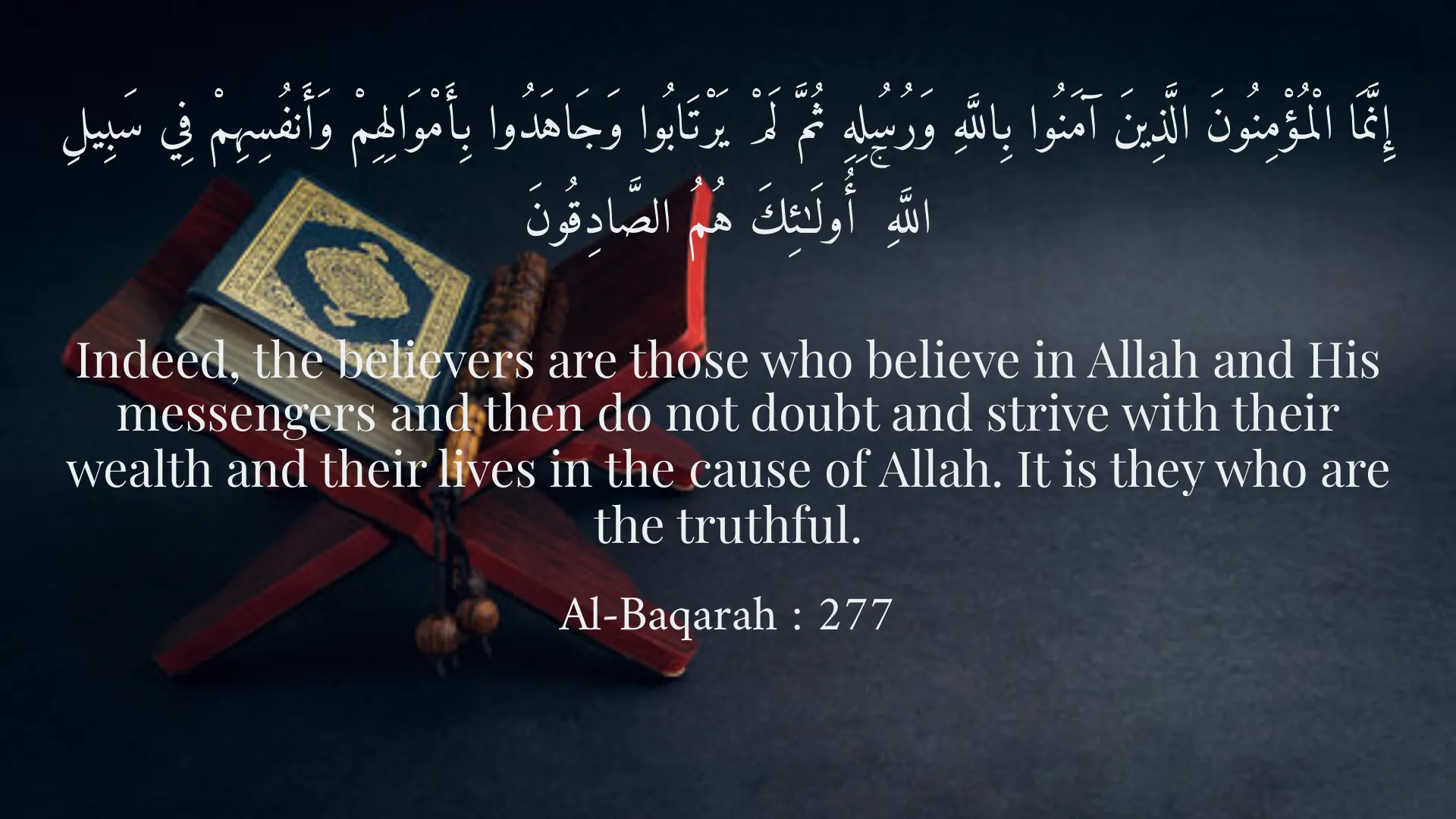
In the Holy Quran, the concept of good deeds is of paramount importance, serving as a cornerstone of Islamic teachings. The Quran emphasizes that good deeds alone are not sufficient; they must be accompanied by sincere faith and righteousness. This intricate relationship between faith and meaningful actions is significantly highlighted in several verses throughout the Quran. By analyzing specific passages, we can infer that the essence of belief in Allah and the teachings of the Prophet Muhammad (peace be upon him) is crucial for achieving true goodness. One of the most explicit references to this relationship can be found in Surah Al-Baqarah, verse 277, where Allah states: "Indeed, the believers are those who believe in Allah and His messengers and then do not doubt and strive with their wealth and their lives in the cause of Allah. It is they who are the truthful." This verse clarifies that true believers are characterized by their unwavering faith in Allah and His messengers, coupled with a commitment to striving for His cause. It implies that actions devoid of faith lack the spiritual significance required to elevate a person’s status in the eyes of Allah. In essence, this verse asserts that the sincerity of belief is essential when performing good deeds. The phrase 'strive with their wealth and their lives' indicates that believers are called to actively engage in the betterment of the community and the upliftment of humanity. However, this struggle must be rooted in a genuine belief system. The Quran does not merely encourage good actions but necessitates that such actions arise from a wellspring of faith. Moreover, in Surah Al-Mu’minun, verses 1 to 11, Allah provides a detailed description of true believers. He outlines their characteristics, stating that they are humble in their prayers, refrain from engaging in vain talk, exhibit honesty, and consistently give zakat. For these believers, a promise of high ranks in paradise is guaranteed. The importance of these attributes reinforces the idea that good deeds, such as prayer and charity, are intrinsically tied to one's faith. Performing these obligations with sincerity leads to elevated spiritual status and rewards in the afterlife. The Quran outlines that being humble in prayers demonstrates a true acknowledgment of Allah’s grandeur and an understanding of one’s own limitations. The avoidance of vain talk signifies a conscious effort to engage in meaningful conversations that lead to personal and communal growth. Meanwhile, the practice of zakat serves both as an act of worship and a social safety net aimed at reducing inequality. In this context, faith is the underlying force that empowers individuals to act righteously, ensuring that their good deeds are accepted and rewarded by Allah. Continuing this exploration of the relationship between good deeds and faith, Surah Al-Muzzammil, verse 20, encourages the faithful to worship Allah with attentiveness to their faith. The verse states: "Indeed, your Lord knows that you stand for prayer almost two-thirds of the night and sometimes half or a third of it, and [so do] a group of those who were with you. And Allah determines the extent of the night and the day. He has known that you will not be able to do it, and has turned towards you in mercy. So recite what is easy [for you] of the Quran and establish prayer and give zakat and lend Allah a goodly loan. And whatever good you put forth for yourselves - you will find it with Allah. It is better and greater in reward." This reinforces the notion that worship should be rooted in faith and sincerity. The call to worship with attention to faith suggests that rituals performed without genuine intention can lack the divine reward intended. Thus, when one engages in acts such as prayer and charitable giving, it should be done with a heart full of faith, recognizing the importance of these acts not just in their physical form but as manifestations of a believer’s devotion to Allah. This recognition is what transforms simple actions into profound and impactful deeds. The Quran consistently maintains that faith is not merely a collection of beliefs but requires active participation in good deeds. The relationship between faith and actions fosters an environment where believers can grow spiritually while positively impacting those around them. This correlation indicates that actions taken in the absence of faith may lack the transformative properties derived from divine acceptance. In the modern context, we observe the necessity of integrating faith into daily actions as a means of achieving societal and individual well-being. Numerous individuals engage in charitable acts, volunteer work, and various forms of service. However, the true efficacy and reward of these good deeds are amplified when they stem from a sincere belief in the purpose and obligation behind them. An intentional approach to one's actions can lead to impactful changes within communities and broaden opportunities for personal spiritual growth. Furthermore, history has shown that movements rooted in strong faith and moral principles often yield lasting impacts in the world. Whether through civil rights activism, humanitarian efforts, or community service, the most powerful motivating factor has often been a strong conviction grounded in faith. Such actions remind us that the intentions behind our deeds serve to elevate the human experience and connect us to a higher purpose. In conclusion, the Holy Quran emphasizes the intertwined relationship between good deeds and faith as absolute essentials in the life of a believer. Good deeds devoid of sincere belief are rendered ineffective in achieving divine reward. As exemplified through various Quranic verses, a person's sincerity, intention, and connection to Allah determine the weight and significance of their actions. Living by these principles encourages believers to strive for high moral standards, enrich their communities, and, ultimately, attain paradise through their unwavering faith and righteous actions. Therefore, it is crucial for individuals to engage in both external and internal practices that reflect a diversity of good deeds backed by authentic faith, as this synergy not only cultivates personal growth but also positively impacts society as a whole.
Related Verses
إِنَّمَا الْمُؤْمِنُونَ الَّذِينَ آمَنُوا بِاللَّهِ وَرُسُلِهِ ثُمَّ لَمْ يَرْتَابُوا وَجَاهَدُوا بِأَمْوَالِهِمْ وَأَنفُسِهِمْ فِي سَبِيلِ اللَّهِ ۚ أُولَـٰئِكَ هُمُ الصَّادِقُونَ
Indeed, the believers are those who believe in Allah and His messengers and then do not doubt and strive with their wealth and their lives in the cause of Allah. It is they who are the truthful.
Al-Baqarah : 277
قَدْ أَفْلَحَ الْمُؤْمِنُونَ
Certainly will the believers have succeeded.
Al-Mu'minun : 1
إِنَّ رَبَّكَ يَعْلَمُ أَنَّكَ تَقُومُ أَدْنَىٰ مِن ثُلُثَيْ اللَّيْلِ وَنِصْفَهُ وَثُلُثَهُ ۖ وَطَائِفَةٌ مِّنَ الَّذِينَ مَعَكَ ۖ وَأَنَّ اللَّهَ يُقَدِّرُ اللَّيْلَ وَالنَّهَارَ ۚ عَلِمَ أَلَّن تَحْصُوهُ فَتَابَ عَلَيْكُمْ فَاقْرَأُوا مَا تَيَسَّرَ مِنَ الْقُرْآنِ ۚ عَلِمَ أَن يَكُونَ مِثْلَكُم مَّن دَعَانِيَ فَإِنَّهُ الْغَفُورُ الرَّحِيمُ
Indeed, your Lord knows that you stand [in prayer] for less than two thirds of the night and the half of it and a third of it, and [some] among those with you. And Allah determines the extent of the night and the day. He knows that you will not be able to do it, so He has turned to you in mercy. So recite what is easy from the Quran.
Al-Muzzammil : 20
Short Story
One day, in the early days of Islam, a man named Hasan came to the Prophet Muhammad and said, "O Prophet, I am on the verge of doing a good deed, but my heart is not at peace and I lack faith in God." The Prophet replied, "A good deed must spring from a pure heart, and without faith, it is futile on the path. Hasan, let faith enter your heart and then perform good actions, for in that case, with faith, your good deeds will draw you closer to Allah's obedience." Hasan, heeding this advice, transformed within and embraced faith. He began performing all his good deeds with a pure heart, subsequently becoming one of the most beloved servants of Allah.