Quranic Answer
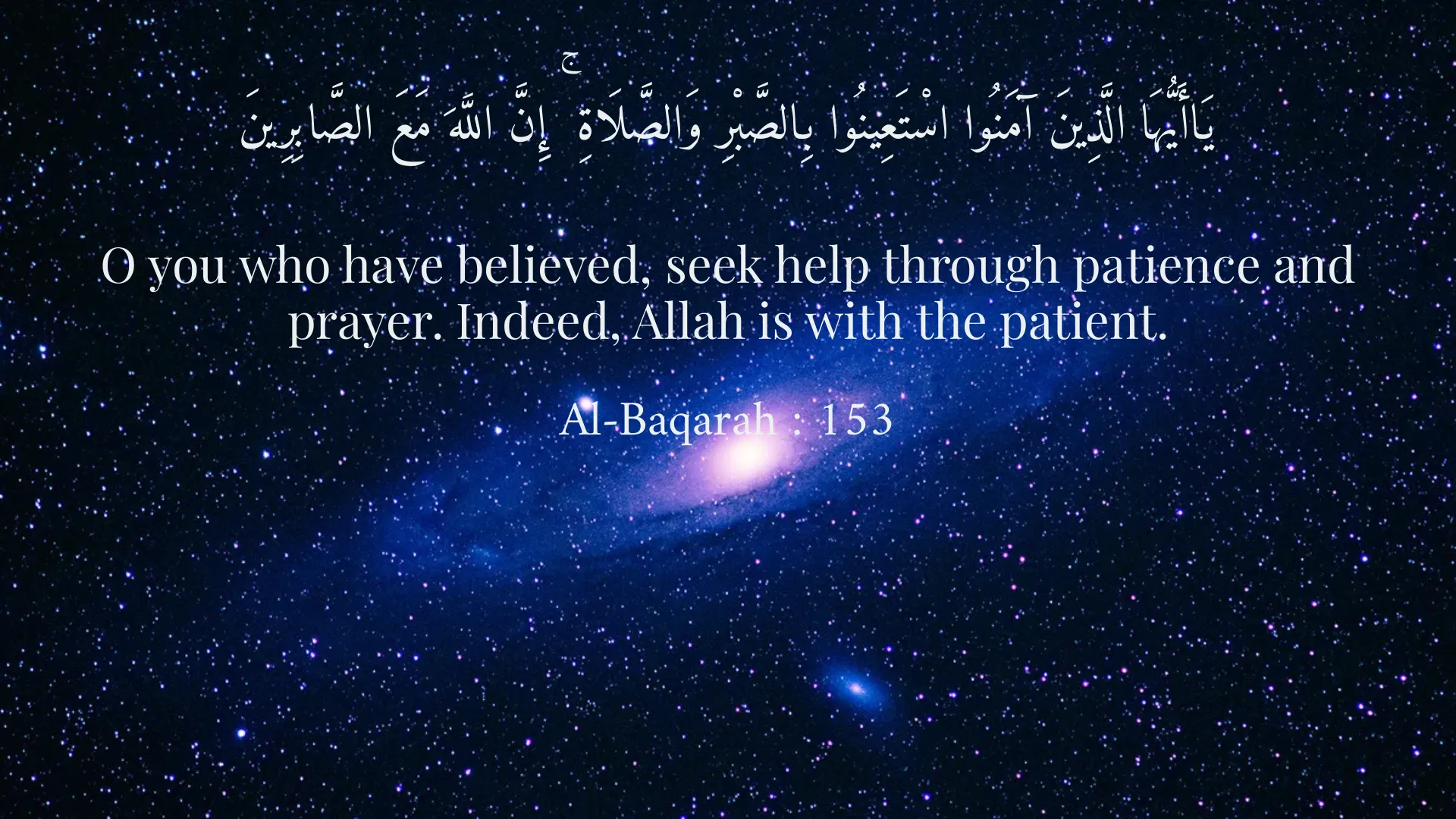
The Holy Quran, the revered sacred text of Islam, serves not only as a spiritual guide to its followers but also as a comprehensive codex addressing numerous existential needs and challenges faced by humanity. The depth and breadth of its content provide invaluable insights, reflecting the ultimate design of human life, moral conduct, and social harmony. This article explores the various dimensions of human needs as articulated in the Quran, focusing on spiritual, moral, social, and practical aspects of everyday life. At its core, the Quran establishes a profound relationship between humanity and the Divine. It emphasizes belief in God as the foundation for a meaningful life, underscoring the importance of faith in guiding individuals through various trials and tribulations. One prominent verse highlighting this relationship is found in Surah Al-Baqarah, verse 153, where it states, 'O you who have believed, seek help through patience and prayer. Indeed, Allah is with the patient.' This verse encapsulates the essence of Islamic spirituality, emphasizing the necessity of patience and reliance on prayer. In moments of hardship and adversity, it is faith that provides solace and strength, urging believers to maintain their connection with God. The Quran's consistent reiteration of patience underscores its pivotal role in navigating life’s challenges, reminding us that steadfastness, accompanied by prayer, fortifies our inner resilience. Moreover, the Quran addresses moral values that govern the conduct of individuals within society. It calls for ethical behavior and encourages virtues such as honesty, integrity, and fairness in all dealings. Surah Al-Isra, verse 23 clearly enunciates the ethical obligation of kindness to one's parents: 'And your Lord has decreed that you not worship except Him, and to parents, good treatment.' This directive not only highlights the significance of familial relations but also emphasizes respect and compassion as fundamental pillars of social interaction. This moral framework cultivates an atmosphere of mutual respect and love, ensuring that the bonds among family members are nurtured and cherished. In addition to spiritual and moral guidance, the Quran lays significant emphasis on social conduct. It advocates for justice and equity, aiming to create a harmonious society where individuals can thrive together. The principles of fairness in transactions and the practice of charity are recurrent themes throughout the text, serving to foster a sense of community and support for one another. The Quran encourages believers to engage in acts of charity (Sadaqah) and compulsory alms (Zakat), thus advocating for social responsibility and support for the less fortunate in society. This not only aids in alleviating poverty but also cultivates a culture of giving, which enriches social ties and fosters collective well-being. The guidance offered by the Quran extends into practical matters of daily life, addressing the complexities and nuances that arise within human societies. While the text covers a plethora of issues, it simultaneously recognizes that certain matters require further scholarly interpretation and reflection. This dynamic nature of the Quranic discourse allows Islamic scholars to engage with contemporary issues, providing relevant solutions grounded in the principles of Islamic teachings. Such scholarly interpretations ensure that the Quran remains a living document, responsive to the evolving needs of society. Furthermore, the Quran's versatility is evident in its ability to cater to diverse human experiences, reflecting the multi-faceted nature of life's challenges. It offers solace to those experiencing grief, advice for those grappling with moral dilemmas, and encouragement for those pursuing justice. This comprehensive approach asserts that the Quran is not only a religious text but a holistic guide that seeks to elevate the human experience. Through its teachings, the Quran implores individuals to transcend their limitations, fostering personal growth and spiritual enlightenment. In conclusion, the Holy Quran stands as a profound testament to the spiritual, moral, and social needs of humanity. It embodies a rich source of guidance that transcends mere religious instruction, addressing the fundamental components of human existence. The Quran encapsulates the essence of belief in God, ethical conduct towards others, and the importance of community welfare. By focusing on patience, prayer, kindness, and charity, the Quran provides a path for individuals to navigate the complexities of life while nurturing their spiritual connection with the Divine. As a result, it encourages personal and collective responsibility, illuminating the path towards a meaningful and harmonious existence. In the face of contemporary challenges, it remains essential for Muslims to turn to the Quran, finding enduring wisdom and guidance that responds to the ever-evolving needs of humanity.
Related Verses
يَاأَيُّهَا الَّذِينَ آمَنُوا اسْتَعِينُوا بِالصَّبْرِ وَالصَّلَاةِ ۚ إِنَّ اللَّهَ مَعَ الصَّابِرِينَ
O you who have believed, seek help through patience and prayer. Indeed, Allah is with the patient.
Al-Baqarah : 153
وَقَضَى رَبُّكَ أَلَّا تَعْبُدُوا إِلَّا إِيَّاهُ وَبِالْوَالِدَيْنِ إِحْسَانًا ۚ إِمَّا يَبْلُغَنَّ عِندَكَ الْكِبَرَ أَحَدُهُمَا أَوْ كِلَاهُمَا فَلَا تَقُل لَّهُمَا أُفٍّ وَلَا تَنْهَرْهُمَا وَقُل لَّهُمَا قَوْلًۭا كَرِيمًۭا
And your Lord has decreed that you not worship except Him, and to parents, good treatment. Whether one or both of them reach old age [while] with you, say not to them [so much as], 'uff,' and do not repel them but speak to them a noble word.
Al-Isra : 23
Short Story
One day, a man felt that his life lacked meaning and he was ungrateful. He went to the mosque and met a scholar of religion. The scholar pointed out that there were many insights in the Quran that could guide him. Referring to Surah Al-Baqarah, verse 153, he advised him to have faith in God during hardships and to be patient. The man transformed his life with these words, realizing that by strengthening his connection with God, he could achieve peace.