Quranic Answer
The Holy Quran is a vast and profound text that addresses numerous aspects of human experience, spirituality, and morality. Among these themes, the topic of sleep and dreaming occupies a distinct place. Dreams in the Quran are not merely described as nocturnal phenomena; they are depicted as significant experiences that can offer insight, guidance, and even glimpses into the future. This exploration will delve into the reflections on sleep and dreaming in the Quran, emphasizing their implications for moral choices, spirituality, and the human experience. In various verses, dreams are explicitly mentioned as one of the signs of Allah. The Quran illustrates that dreams can serve as a bridge between the spiritual and the material worlds, impacting human lives in profound ways. For instance, one of the most notable accounts of dreams in the Quran is found in Surah Yusuf (Joseph). The narrative of Prophet Joseph (Yusuf) is enriched with the theme of dreams, both his own and those of others. The story details how Joseph experienced significant dreams in his youth that foretold critical events—in particular, the emergence of a famine that would affect the region. Joseph’s unique ability to interpret dreams is a cornerstone of his narrative. When he was imprisoned, he encountered fellow inmates who shared their dreams with him, and through divine inspiration, he successfully interpreted their dreams, demonstrating that dreams can harbor meanings that transcend the immediate. This illustrates the belief that dreams may symbolize realities that individuals cannot see but are crucial for their futures. Joseph's interpretations did not just reflect his intellectual prowess; they were also infused with spiritual insight, revealing that dreams could indeed be vehicles of divine messages. Moreover, the significance of dreams extends beyond personal experiences. In Surah Al-Imran, verse 15, Allah refers to the dreams seen by the believers. This verse underscores the importance of dreams in the lives of the pious, suggesting that these nocturnal visions may very well act as windows to divine truths. This idea posits that dreams could transcend the mundane, offering enlightenment and foresight about one's life direction, reinforcing the belief that spiritual awareness might illuminate an individual’s path. The implications of these teachings are profound. They suggest that dreams serve as a source of inspiration, guiding individuals toward better decisions and choices in life. In a world where confusion and uncertainty often reign, the Quranic acknowledgment of dreams as potential sources of wisdom offers solace and hope to believers. Instead of dismissing dreams as mere fantasy, the Quran invites individuals to reflect upon their dreams, enabling them to extract valuable lessons from these experiences. In addition to being harbingers of future events or guidance, dreams can also symbolize spiritual conditions. In certain interpretations, they are viewed as a form of self-reflection or self-awareness—a mirror reflecting the inner state of an individual’s spirit. Dreams can sometimes reveal fears, desires, unresolved conflicts, and hidden truths about oneself. This perspective encourages the faithful to engage in introspection and to consider their dreams not as coincidental occurrences but as messages that may shed light on their spiritual well-being and moral standing. The literary nature of the Quran enhances the significance of dreams, as it employs metaphors and analogies that elevate the understanding of dreams as more than mere nighttime activities. Sleep itself, in many cultures and religious philosophies, is often associated with a connection to the spiritual realm. The Quran acknowledges sleep as a period of rejuvenation and disconnection from worldly troubles but also as a potential moment where divine connections can occur in dreams. Thus, the act of sleeping becomes an integral part of the believer's life, facilitating both physical rest and spiritual reflection. The narratives found within the Quran concerning dreams offer valuable lessons applicable to the lives of believers. They exemplify the importance of maintaining an openness to the various forms of guidance that may come, whether through dreams or other means. When one considers the experiences of the prophets and how their lives were undeniably shaped by the dreams they received or interpreted, it emphasizes that divinely-inspired guidance can come in many forms, even in the depths of sleep. Furthermore, it becomes essential to discuss how the prophetic traditions (Hadith) complement the Quranic verses concerning dreams. The Hadith literature also explores the subject of dreams, expanding upon the ways in which dreams can reflect one’s spiritual state or foretell future events. Traditions that share the experiences of the Prophet Muhammad (PBUH) regarding his own dreams, often served as confirmations of his prophethood or insights into his mission. This continuity between the teachings of the Quran and Hadith highlights a cohesive understanding of the significance of dreams within the Islamic faith. In summary, the theme of dreams in the Quran encapsulates a multifaceted understanding of their role in human life. Dreams are depicted as mediums through which Allah communicates, aids in decision-making, and enhances self-awareness. Rather than being viewed merely as random occurrences during sleep, they emerge as divine signs, offering inspirational insights and guiding believers on their path of righteousness. By embracing the teachings related to dreams, individuals can connect more profoundly with their spiritual journey, drawing from the wisdom that these experiences hold. Therefore, dreaming, as portrayed in the Quran, transcends the natural phenomenon of sleep and is portrayed as a significant tool for spiritual growth and moral guidance.
Related Verses
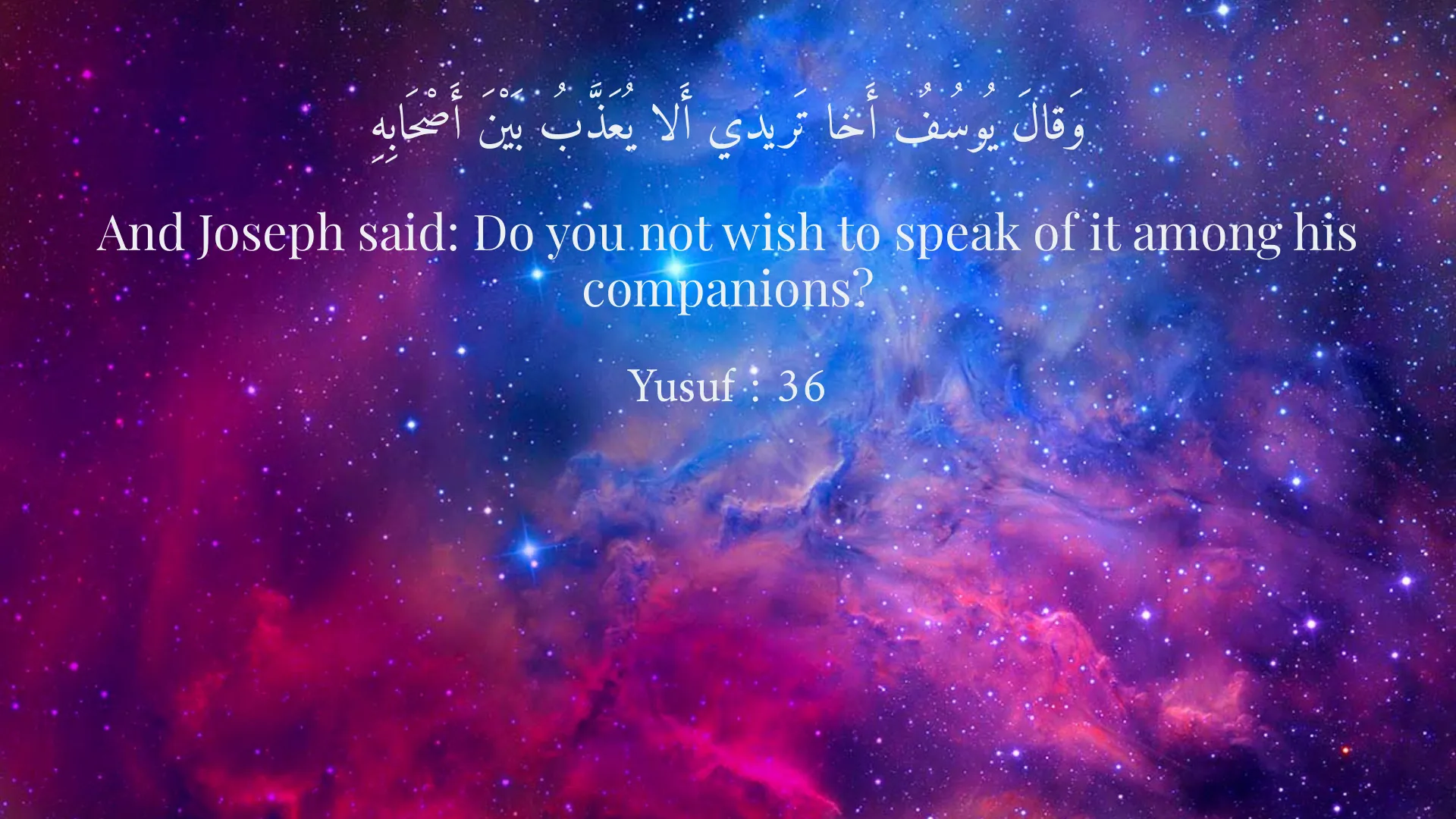
وَقالَ يُوسُفُ أَخا تَريدي أَلا يُعَذَّبُ بَيْنَ أَصْحَابِهِ
And Joseph said: Do you not wish to speak of it among his companions?
Yusuf : 36
تُزَلُّ بها قلوبهم
Hearts might be inclined rightly.
Al-Imran : 15
Short Story
Once upon a time, there was a man named Sadiq who was always concerned about his dreams. Every time he dreamed, he would immediately start thinking about the interpretations. One night, he dreamed that he entered a beautiful house and sat under a big tree. The next morning, when he woke up in the fresh air, he thought he should seek the meaning of this dream. He went to a scholar and told him his dream. The scholar told him, 'This dream is a symbol of the well-being and peace you will achieve in your life.' Sadiq was delighted to hear this and decided to pursue peace and contentment in his life.