Quranic Answer
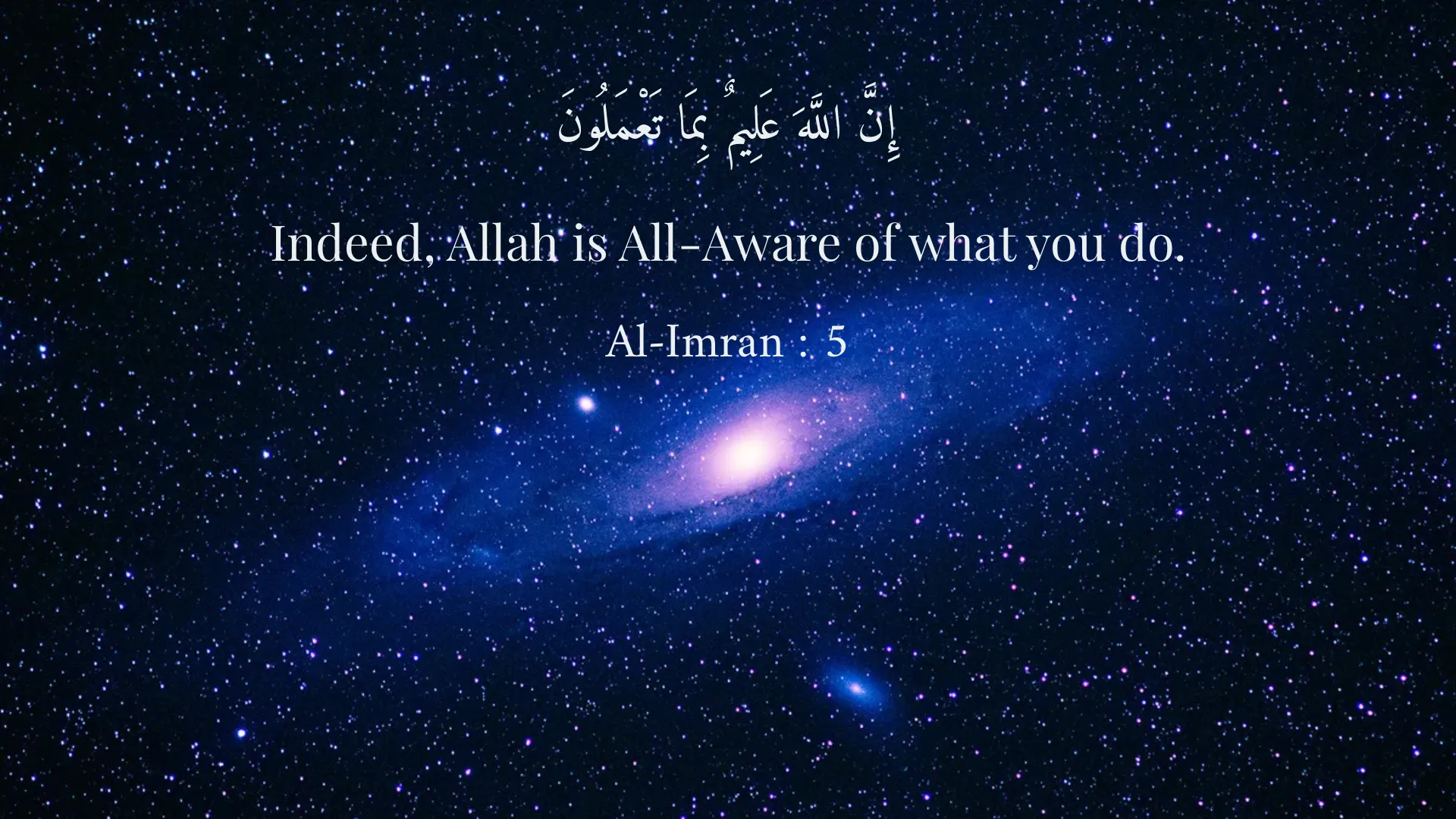
The Holy Quran, regarded as the ultimate source of guidance for Muslims, emphasizes the importance of justice, righteousness, and the severe consequences that befall oppressors and wrongdoers. Throughout its verses, the Quran communicates a powerful message regarding the fate of those who engage in injustice and oppression. Topics such as divine punishment, accountability, and moral integrity are woven into the text, reminding believers of the high moral standards that they are expected to uphold. This article will explore several verses from the Quran that underscore the theme of retribution for oppressors and delve into the broader implications of these teachings in contemporary society. One of the prominent verses highlighting this theme is found in Surah Al-Imran, verse 5, which states, 'Indeed, Allah is All-Aware of what you do.' This verse serves as a profound reminder to individuals that God is constantly aware of their actions, both overt and covert. The implication is clear: no act of injustice, no matter how subtle or hidden, escapes the scrutiny of the Divine. This diligent observation should invoke a sense of accountability within individuals, compelling them to reflect on their actions and the impact these have on others. In an era where justice can be overshadowed by wealth, power, or influence, this verse calls on individuals to remain vigilant and uphold righteousness in their dealings. In addition to the reminder of divine awareness, Surah Al-Ankabut, verse 40 provides an illustrative example of the consequences faced by those who oppose the truth and engage in acts of wrongdoing. The verse states, 'So We saved him and those with him but We drowned those who denied Our signs.' This historical reference illustrates a pivotal moment when divine retribution was exacted upon the oppressors. The drowning of Pharaoh and his followers serves not only as a part of a historical narrative but also as a timeless warning to those who reject divine signs and perpetuate tyranny. The Quran recounts various stories of past communities that faced dire consequences for their injustice and arrogance, urging contemporary believers to heed these warnings. Furthermore, in Surah Al-Mu’minun, verse 117, it is emphasized that 'Indeed, it is He who is the Most High, the Most Great.' This verse reinforces the idea of Allah's unassailable power and the severity of the punishment that awaits oppressors. The terms 'Most High' and 'Most Great' convey not only God's supremacy but also His authority over all acts of injustice. The juxtaposition of divine greatness against human oppression serves as a stark reminder that no earthly power can escape divine retribution. History has shown that empires and rulers who have engaged in systemic oppression eventually face downfall, further illustrating the Quranic assertion that divine justice prevails. Collectively, these verses from the Quran illustrate a fundamental belief in the certainty of divine retribution for oppressors and those who disregard the truths set forth by Allah. The recurring theme of accountability serves as a guiding principle for individuals striving to lead just lives. According to the teachings of the Quran, it is imperative to establish a just and virtuous life, as any form of oppression will inevitably meet with divine wrath. The Quran serves not only as a religious text but also as a monumental compilation of ethical guidelines that promote justice, fairness, and moral clarity. In a world where injustice is rampant, the Quran's teachings resonate strongly, providing individuals with the moral compass necessary to stand against oppression. The drive to seek justice is not merely a societal obligation but a divine expectation. The Quran encourages believers to champion the cause of the oppressed, advocate for the voiceless, and challenge systemic injustices that may prevail in society. Moreover, these verses can inspire individuals and communities to reflect on their roles in promoting justice and fairness. For instance, engaging in acts of charity, fighting against corruption, and standing against discrimination align with the core message of the Quran. By embodying these principles, individuals not only adhere to divine expectations but also contribute to the betterment of society as a whole. The emphasis on communal responsibility highlights that justice is not solely an individual pursuit but a collective endeavor. The Quran also provokes critical discourse on the nature of sin and wrongdoing. It establishes that every action has consequences, and those who perpetuate lies, deceit, and harm toward others are ultimately accountable. This understanding of sin calls upon individuals to engage in self-reflection and strive for moral improvement, creating a ripple effect that can contribute positively to the lives of others. In conclusion, the teachings of the Quran surrounding the punishment of oppressors serve as a crucial reminder of the outcomes that await those who engage in injustice and wrongdoing. Verses such as those found in Surah Al-Imran, Surah Al-Ankabut, and Surah Al-Mu’minun underscore the importance of justice and divine accountability. They call upon believers to establish virtuous lives, uphold strong moral values, and advocate for fairness in their communities. Ultimately, the Quran not only warns against oppression but also inspires individuals to actively pursue justice, creating a society where righteousness prevails over tyranny.
Related Verses
إِنَّ اللَّهَ عَلِيمٌ بِمَا تَعْمَلُونَ
Indeed, Allah is All-Aware of what you do.
Al-Imran : 5
فَأَنجَيْنَاهُ وَالَّذِينَ مَعَهُ ۖ وَغَرَقْنَا الَّذِينَ كَذَّبُوا بِآيَاتِنَا
So We saved him and those with him but We drowned those who denied Our signs.
Al-Ankabut : 40
إِنَّهُ كَانَ عَذَابًا شَدِيدًا
Indeed, it is a severe punishment.
Al-Mu’minun : 117
Short Story
One day, two friends named Rahim and Ali were having a conversation. Rahim narrated a story about the punishment of oppressors he had read in the Quran. He said, 'God never forgets the oppressors, and they will face punishment in this world and the Hereafter.' Ali, reflecting on these words, decided to avoid oppression in his life and treat others with kindness and fairness. This conversation inspired both Ali and Rahim to promise each other that they would uphold justice and stay true to the truths.