Quranic Answer
In the Holy Quran, the importance of intention in worship is a central theme that runs throughout the text, reminding believers that the essence of worship extends beyond mere actions to the deeper realms of the heart. Surah Al-Baqarah, verse 264 captures this sentiment beautifully, where Allah advises the believers: 'O you who have believed, do not invalidate your charities with reminders or injury...' This verse serves as a poignant reminder that the validity of one’s actions, particularly in the realm of charity, is deeply intertwined with the intention behind them. Such teachings prompt believers to reflect on their motivations and the purity of their hearts as they engage in acts of worship, illustrating that worship in Islam is not solely about outward displays but about the condition of one's heart and the sincerity of one's intentions. The Quran consistently emphasizes that true worship is a manifestation of heartfelt devotion. In Surah Maryam, verse 52, Allah directs His servants to engage in righteous deeds while keeping their hearts focused on Him. This profound directive underscores the necessity for sincere attention and belief in every act of worship, which elevates mundane practices into spiritually rewarding tasks. The emphasis on the heart's state reveals a fundamental truth: the quality of faith behind an act is what determines its acceptance in the eyes of Allah. This posit encourages Muslims to cultivate inner sincerity and earnestness in their worship, suggesting that actions devoid of authentic intent lack the necessary spiritual substance and connection that make them truly meaningful. Furthermore, Surah Al-Imran, verse 29 states, 'Say, 'Whatever is in your breasts is known to Allah...' This assertion reinforces the notion that Allah possesses complete knowledge of the inner thoughts and intentions of each individual. The awareness that Allah is cognizant of one's inner dialogues compels believers to cleanse their hearts, seek authenticity in their worship, and strive for an unwavering connection to their Creator. This depth of introspection regarding one's intentions aligns beliefs and actions, creating a harmonious relationship between a believer's outward expressions of faith and the internal motivations behind those actions. The Quranic verses collectively convey a critical message: true worship springs from the depths of one’s heart, accompanied by an unwavering focus on Allah. Worship that is performed merely on the surface, without engaging in inner contemplation, falls short of the spiritual essence that these divine instructions aim to establish. The Quran challenges the believer to reject superficial practices that lack conducive intention, urging the cultivation of sincere and loving hearts, which ultimately produce authentic worship. Moreover, the spirit of worship is evident when believers approach their faith with an attitude of devotion, humility, and love. It follows that acts performed with heartfelt intention will resonate deeply within the soul, fostering spiritual growth and a closer bond with Allah. Herein lies the transformative power of intention – it inspires acts of worship to blossom into moments of divine connection, encouraging believers to immerse themselves in the love and mercy of Allah. This invitation to engage wholeheartedly with faith cultivates a nurturing environment for both personal and communal growth, promoting compassion and understanding among individuals. In a practical sense, this emphasis on intention challenges Muslims to reevaluate their daily prayers, charitable acts, and other forms of worship. In a world often focused on appearances, it is easy to fall into the trap of performing acts of faith as rituals devoid of genuine connection. Therefore, believers are encouraged to approach their worship with mindfulness, contemplating the purpose behind every action. The journey of exploring one’s intentions can lead to profound spiritual awakening, as believers learn to discern their intrinsic motivations for worship and adhere to the path of sincerity. As believers learn to strengthen their intentions, they beautify their religious observances and enhance their relationships with others within their communities. As Surah Al-Baqarah suggests, when one performs charity, genuine intentions not only boost the spiritual value of the act but also encourage an atmosphere of kindness and generosity towards others. In this way, sincere worship radiates and extends to fellow humans, transforming communities into spaces where compassion and support flourish. Ultimately, Allah values sincere and loving hearts in worship, as these souls contribute positively to the shared environment of their communities. Acts performed without heartfelt attention become devoid of spirit and meaning; thus, believers must prioritize sincerity in their worship and interactions with others. Engaging in sincere worship cultivates a loving atmosphere and inspires a collective effort towards righteousness and service to humanity. In conclusion, it is evident that the Quran provides profound insights into the intrinsic relationship between intention and worship, igniting a transformative journey towards authentic devotion. By grounding their worship in heartfelt intention, believers can foster stronger connections with Allah and with each other, embodying the principles of compassion, understanding, and love that define the essence of the Islamic faith. To this end, the emphasis on intention in worship transcends mere religious observance; it illuminates a pathway to spiritual enlightenment, personal growth, and communal harmony. Worship, therefore, is rendered not just a ritual, but a heartfelt journey toward divine connection and love.
Related Verses
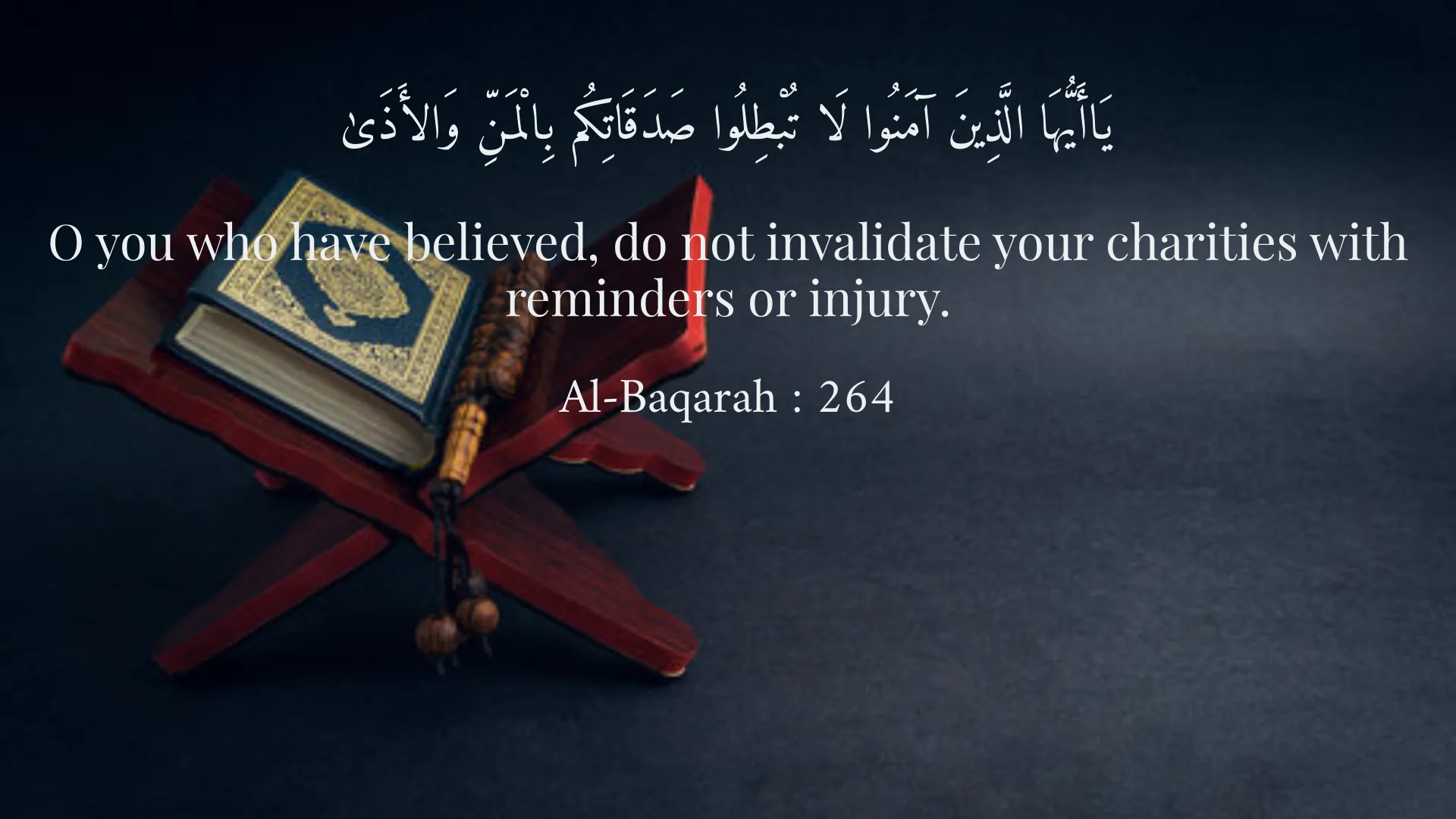
يَاأَيُّهَا الَّذِينَ آمَنُوا لَا تُبْطِلُوا صَدَقَاتِكُم بِالْمَنِّ وَالأَذَىٰ
O you who have believed, do not invalidate your charities with reminders or injury.
Al-Baqarah : 264
فَأَرَادَ أَنْ يَسْتَفْتِحَ أُنبَت كَذَّبَ ٱلَّذِيٓ أَلَّمَ ٱلرسُّلَ
He desires to attain a fresh start by remembering Him.
Maryam : 52
قُلْ مَا فِي قُلُوبِكُمْ يُعْلِمُهُ اللَّهُ
Say, 'Whatever is in your breasts is known to Allah.'
Al-Imran : 29
Short Story
In ancient times, a man lived by the sea. He worshipped every day but felt an emptiness inside. One day, sitting by a small pool, he realized he needed to connect his heart with his worship. From that day on, he performed his worship with attention to God, and his inner peace returned.