Quranic Answer
The Quran, regarded as the holy book of Islam, serves as a comprehensive guide for human behavior and spiritual development. Within its verses, Deep insights on being productive, helpful, and a valuable member of society are meticulously discussed. The primary notion conveyed through the Quran is the emphasis on the Oneness of God and the interconnectedness of individuals within a community. It articulates how one's relationship with God and their actions towards others are fundamental in shaping their productivity and usefulness in society. In the pursuit of being productive and useful, the first and foremost step highlighted in the Quran is the worship of God. This is articulated in Surah Al-Baqarah, verse 21, where Allah commands, "O mankind, worship your Lord, who created you and those before you, that you may become righteous." This initial act of worship is not merely a ritualistic practice but serves as a foundational block for one's character and actions. By recognizing the Oneness of God, individuals can foster a sense of purpose and direction in their lives, which ultimately transforms their efforts into meaningful contributions. Furthermore, the Quran delineates specific characteristics of believers that render them instrumental within their own lives and in the lives of others. Surah Al-Mu'minun, particularly verses 1 to 11, outlines the attributes of the faithful, indicating that true believers are those who consistently engage in prayer, exhibit patience, and partake in community welfare. Verse 9 states, "And those who are steadfast in their prayer," underscoring prayer's vital role not only as an act of worship but also as a means of fostering community and social unity. Prayer, in its essence, nurtures a connection with God, serving as a reminder of human reliance on divine guidance while simultaneously offering solace and strength. It is an empowerment tool that pushes believers towards positivity, helps cultivate self-discipline, and enhances focus on their responsibilities outlining a path towards being productive. This is evident in the Muslim tradition where congregational prayers enable connections among individuals, thereby reinforcing social ties and collective responsibility. Moreover, kindness and good behavior towards others is another vital dimension emphasized in the Quran. Surah An-Nisa, verse 36, admonishes believers to show kindness to parents, relatives, orphans, the needy, and even one's neighbors. This verse encapsulates the essence of social interaction, illustrating that a significant aspect of being useful to society lies in one’s capacity to be compassionate and caring. Kindness is portrayed not just as a noble trait but as a necessity for societal cohesion. The behavior exhibited by individuals can help foster a nurturing environment where every member feels valued and supported. This collective ethos encapsulates the essence of social responsibility, urging individuals to contribute positively to their surroundings. In addition to acts of worship and personal conduct, the Quran also stresses social responsibility. Helping others in need, volunteering in one's community, and serving with a sense of duty are essential to Islamic teachings. The concept of Zakat, which is a form of almsgiving treated as a tax, and one of the Five Pillars of Islam, illustrates how individuals are required to give a portion of their wealth to the needy, thereby creating a culture of support and assistance. This principle exemplifies how productive members of society can actively contribute to the welfare of others, thereby enhancing the overall quality of life for everyone. The Quran offers several parables and stories that highlight the benefits of assisting others and working towards the common good. For instance, the story of the Prophet Muhammad (peace be upon him) illustrates how he lived selflessly, emphasized charity, and worked tirelessly for the welfare of his community. His life serves as a profound lesson on the importance of service and embodiment of societal values that transcend individual needs. The Quran merges personal fulfillment with community welfare, suggesting that true happiness arises from the intersection of self-care and communal responsibility. As humanity exists collectively, the Quran reminds us that collaboration is key to building a better society. The teachings encourage individuals to unite in mutual support, fostering an environment where creativity, innovation, and individual contributions lead to communal betterment. The act of collaboration enhances productivity. It allows individuals to utilize diverse skills towards single objectives, creating robust networks of support and learning among community members. Ultimately, the teachings of the Quran emphasize that doing good and beneficial deeds serve not only oneself but the entire community. Being useful transcends personal gains, nurturing a shared sense of purpose focused on empowering and uplifting others. Through the act of worshiping God, maintaining good relations with one another, and committing to community service, individuals can achieve a profound sense of value and productivity. In conclusion, the idea of productivity and usefulness in the Quran is intricately tied to spirituality and social responsibility. By understanding and embodying these teachings, one can transcend the superficial definitions of success, allowing them to contribute meaningfully to society and foster a legacy of kindness, cooperation, and respect. In a world increasingly in need of compassion and support for all, the Quran’s call to action is more relevant than ever. Thus, how we interpret our purpose, connect with the divine, and serve each other can define our productivity and ultimately leave a lasting impact on our communities.
Related Verses
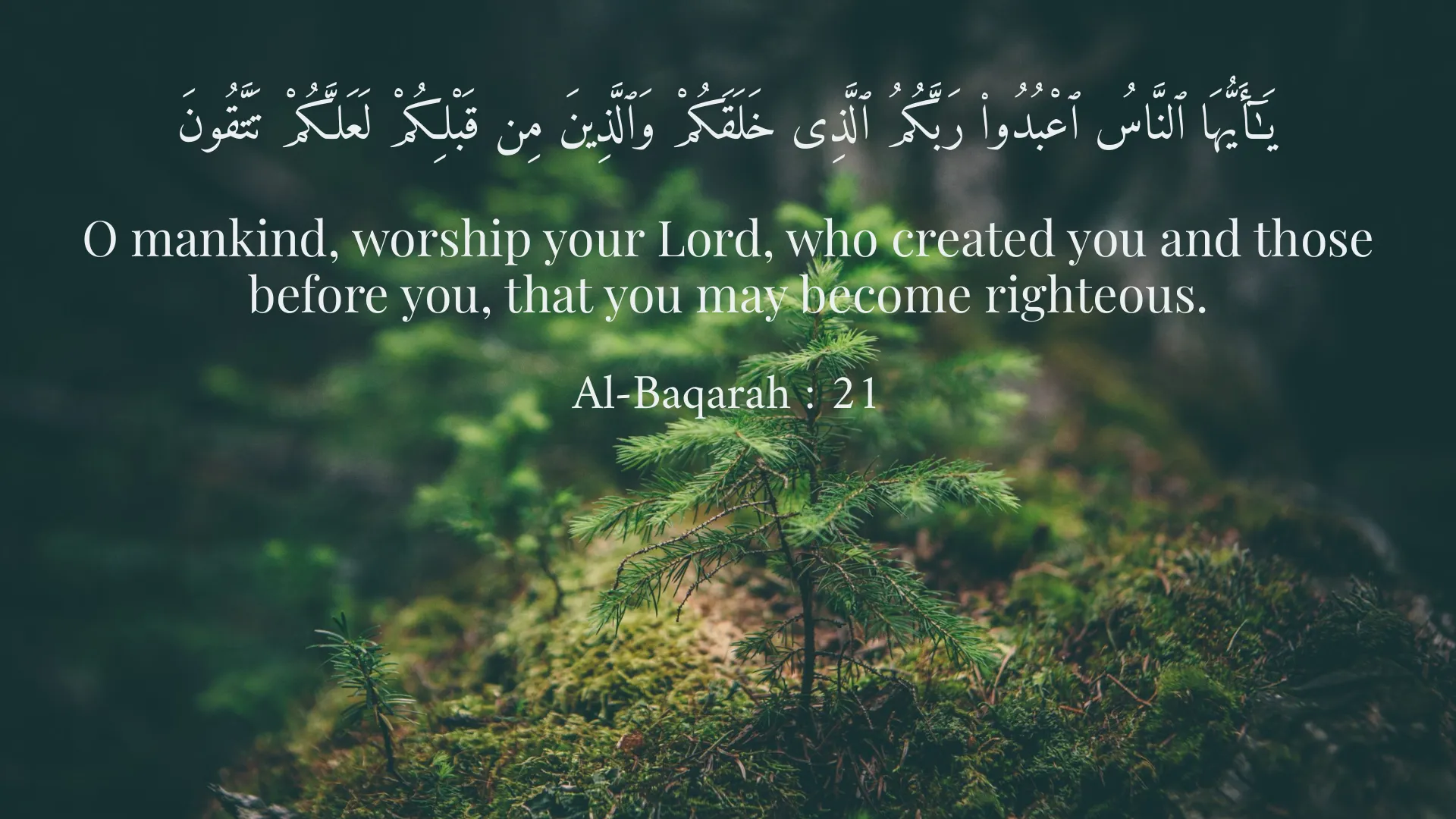
يَٰٓأَيُّهَا ٱلنَّاسُ ٱعْبُدُوا۟ رَبَّكُمُ ٱلَّذِى خَلَقَكُمْ وَٱلَّذِينَ مِن قَبْلِكُمْ لَعَلَّكُمْ تَتَّقُونَ
O mankind, worship your Lord, who created you and those before you, that you may become righteous.
Al-Baqarah : 21
وَالَّذِينَ هُمْ عَلَى صَلَاتِهِمْ يُحَافِظُونَ
And those who are [diligent] in their prayer.
Al-Mu'minun : 9
أُو۟لَـٰئِكَ هُمُ ٱلْمُؤْمِنُونَ حَقًّۭا ۖ لَهُمْ دَرَجَـٰتٌ عِندَ رَبِّهِمْ وَمَغْفِرَةٌ وَرِزْقٌ كَرِيمٌ
It is they who are truly believers. For them are degrees [of honor] with their Lord and forgiveness and a noble provision.
An-Nisa : 36
Short Story
One day, a man named Hassan went to the market and, during his shopping, met a captivating old man. The elder, with his soft words and beautiful speech, urged Hassan to help the youth of his community and to teach them ways to be useful. Moved by these words, Hassan decided to assist others whenever possible, even if it was just with a kind word. Over time, not only did Hassan change himself, but he also influenced others, becoming a useful person.