Quranic Answer
The Holy Quran, regarded as the sacred text of Muslims, serves as a profound guide that touches upon every aspect of human life. It is more than just a book; it is a spiritual framework that provides direction, wisdom, and a moral compass. The Quran's verses are a source of inspiration and a means to connect with the divine. This article will explore the significance of the Quran in our daily lives and the essential steps to implement its teachings in a meaningful manner. The first step in embracing the Quran in our everyday lives is to establish a personal connection with it through thoughtful reading and contemplation. In Surah Al-Baqarah, Verse 2, it states, 'This is the Book about which there is no doubt, a guidance for those conscious of Allah.' This emphasizes the integral role of the Quran in guiding those who seek to live a life in accordance with God's commandments. Developing a practice of reading the Quran regularly fosters a deeper understanding of its verses. It allows individuals to reflect on their meanings and how they can apply them in practical terms. This connection is not merely an academic understanding but a heartfelt engagement with the text that can significantly influence one’s attitude, choices, and overall way of life. Once we have established a relationship with the Quran, the next step is to put its teachings into action. The Quran offers numerous directives on how to live a good life filled with purpose and integrity. For example, Surah An-Nisa, Verse 36 encourages believers to worship Allah and be good to their parents. This particular verse underscores the values of respect, kindness, and devotion that are foundational in the Islamic faith. The teachings of the Quran are not abstract concepts; they are practical lessons that should manifest in our interactions with others and in our everyday conduct. By treating our parents and elders with utmost respect and kindness, we honor the�principles engrained in the Quran. Furthermore, the Quran encourages us to uphold principles of justice and integrity. This is poignantly reflected in Surah Al-Maidah, Verse 8, which instructs believers to be steadfast in justice and fairness before Allah. This directive urges us to reflect on our moral conduct continuously. Adhering to the principles of justice involves examining our actions and ensuring they are aligned with ethical standards, not just within personal interactions but also in societal contexts. It reminds us of the social responsibility towards our communities and the struggle against injustices. Another critical aspect of integrating the Quran into our lives is reforming our behaviors and intentions based on Quranic principles. The Quran does not only address actions but also encapsulates the importance of having the right intentions behind those actions. This kind of earnest self-reflection can lead one towards personal growth and development. Acknowledging one’s faults and striving to improve is a continuous journey for every believer. The Quran serves as a guiding light in this journey, illuminating the path towards righteousness and ethical living. Moreover, prayer and supplication play an important role in the relationship between a believer and Allah. Surah Al-Baqarah, Verse 186 states, 'And when My servants ask you concerning Me, indeed I am near. I respond to the invocation of the supplicant when he calls upon Me.' This verse highlights the accessibility of Allah to His servants and His readiness to respond to their needs. It encourages believers to be vigilant and sincere in their prayers, fostering a relationship based on trust and reliance on the divine. Prayer is not just a form of worship; it is a source of comfort and guidance through various challenges that life presents. Times of hardship can be particularly overwhelming. However, the Quran reassures believers that solace can be found within its verses. Many individuals turn to the Quran during times of distress, finding comfort in its teachings and narratives. This is not merely about seeking answers but also about finding reassurance that one is not alone in their struggles. The verses can act as a balm to the soul, reminding us of the larger purpose of life and the importance of resilience. Each verse can inspire hope, patience, and fortitude in challenging circumstances. In the contemporary world, where distractions abound and life can often feel chaotic, turning to the Quran can provide a sense of clarity and focus. Each reading can unveil new layers of understanding, facilitating a deeper spiritual connection. Regular recitation and reflection of the Quran not only helps in internalizing its teachings but fosters a sense of community among Muslims who share the same commitment to living according to divine guidance. Implementing the Quran in our daily lives is a holistic process that demands active engagement, intention, and reflection. The implications of its teachings are vast, affecting how we interact personally, socially, and even globally. For Muslim individuals, the Quran serves as a guide on how to approach various facets of life, whether in familial relationships, social justice, personal integrity, or spiritual development. In conclusion, the journey of embodying the Quran in our daily lives is a lifelong endeavor. It requires dedication and a willingness to grow and adapt. The teachings of the Quran provide practical wisdom that, when internalized, can lead to a fulfilling and moral life. Ultimately, by nurturing a relationship with the Quran, applying its teachings, reforming behaviors, engaging in prayer, and finding solace in its verses, believers can live a life enriched by the divine presence and guidance. The Quran remains an ever-relevant source of inspiration and hope, urging us to strive for a harmonious and just existence.
Related Verses
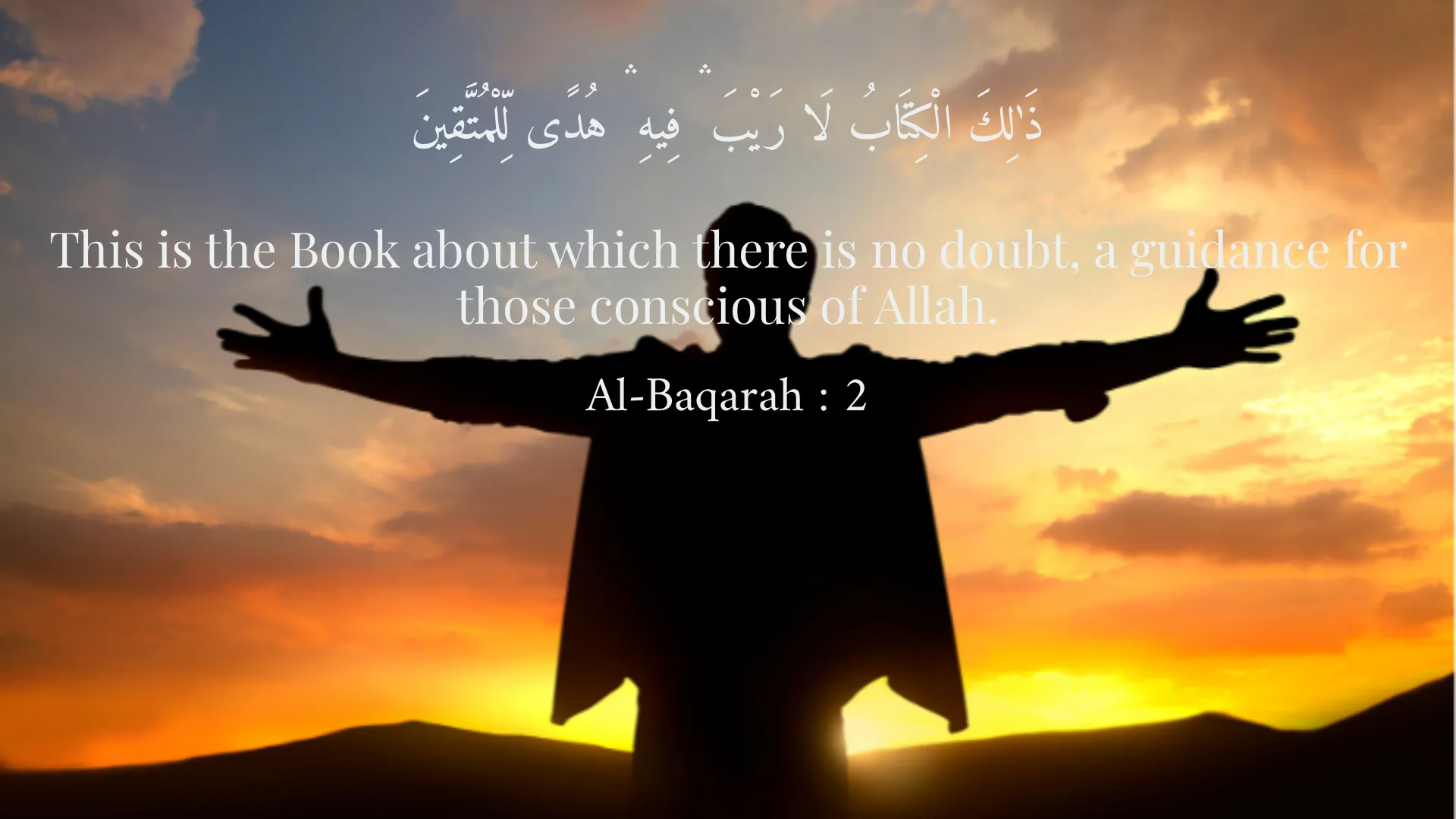
ذَٰلِكَ الْكِتَابُ لَا رَيْبَ ۛ فِيهِ ۛ هُدًى لِّلْمُتَّقِينَ
This is the Book about which there is no doubt, a guidance for those conscious of Allah.
Al-Baqarah : 2
وَاعْبُدُوا اللَّهَ وَلَا تُشْرِكُوا بِهِ شَيْئًا وَبِالْوَالِدَيْنِ إِحْسَانًا
And worship Allah and do not associate anything with Him, and to parents, good treatment.
An-Nisa : 36
يَا أَيُّهَا الَّذِينَ آمَنُوا كُونُوا قَوَّامِينَ بِالْقِسْطِ شُهَدَاءَ لِلَّهِ
O you who have believed, be persistently standing firm in justice, witnesses for Allah.
Al-Maidah : 8
وَإِذَا سَأَلَكَ عِبَادِي عَنِّي فَإِنِّي قَرِيبٌ ۖ أُجِيبُ دَعْوَةَ الدَّاعِ إِذَا دَعَانِ
And when My servants ask you concerning Me, indeed I am near. I respond to the invocation of the supplicant when he calls upon Me.
Al-Baqarah : 186
Short Story
One day, Adel was contemplating how he could improve his life. He decided to study the verses of the Quran and act upon them. Over time, he witnessed positive changes in his life and felt a greater sense of peace and happiness.