Quranic Answer
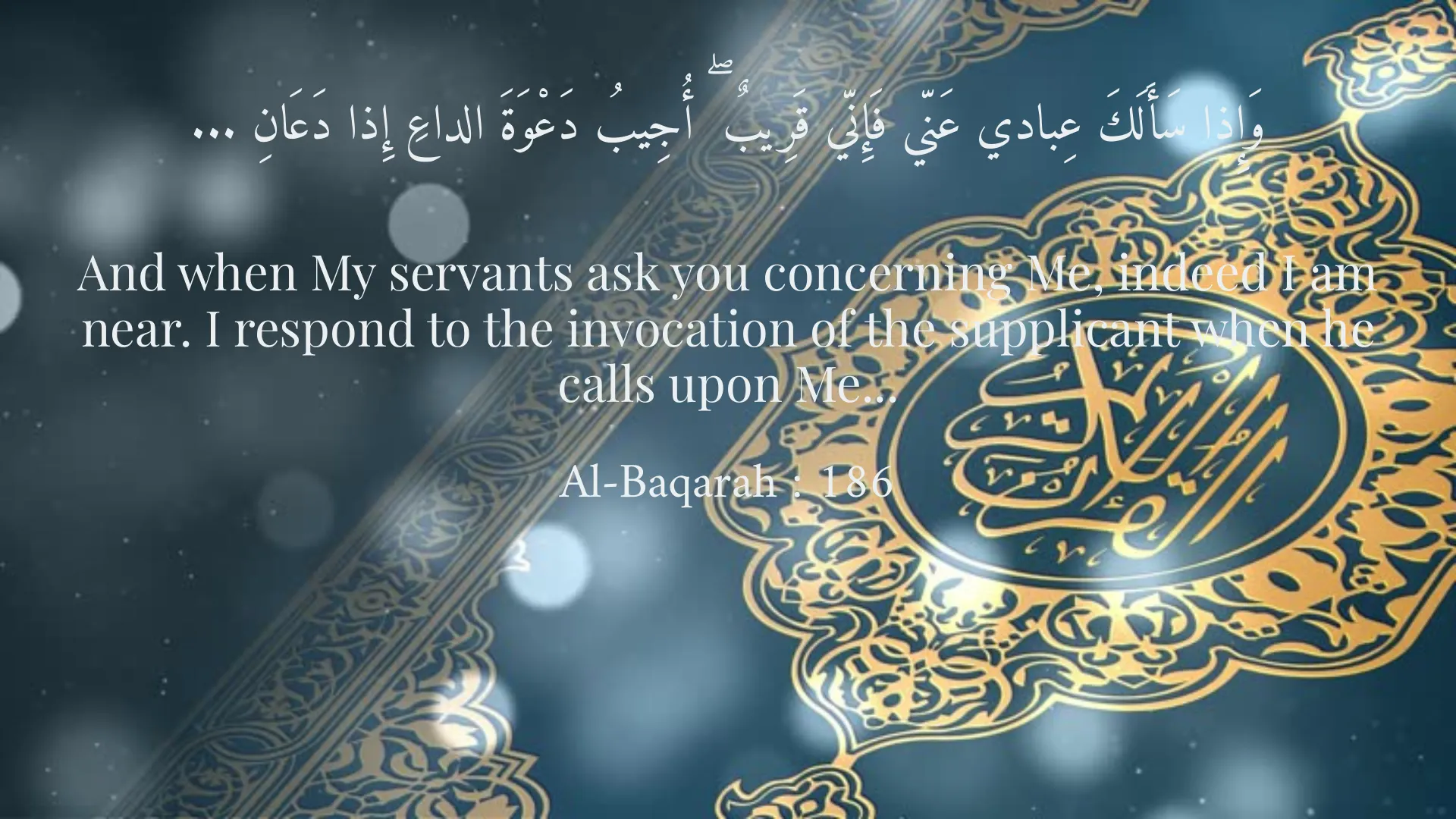
Trusting in God's promises as conveyed in the Holy Quran is a fundamental principle of faith in God. This concept is not merely an abstract philosophical notion; it serves as a profound pillar upon which Muslim belief and practice stand. The divine promises articulated in the Quran reflect the boundless mercy and extraordinary power bestowed by Allah upon His faithful servants. Throughout the Quran, various verses reaffirm God's unwavering commitments to those who place their trust in Him, thus creating a profound framework for understanding our relationship with the Divine. One of the most cited verses regarding God's commitment to His servants can be found in Surah Al-Baqarah, verse 186. Here, Allah states, "And when My servants ask you concerning Me, indeed I am near. I respond to the invocation of the supplicant when he calls upon Me..." This verse serves multiple purposes: it reassures believers of the immediacy of God's presence, underscores the importance of prayer, and emphasizes God's readiness to respond when called upon. This aspect of divine interaction signifies that God is not a distant entity but an involved and caring presence in our lives. The earnestness with which God responds to the prayers of His servants indicates a personal connection that forms the bedrock of faith. Additionally, the concept of God's promises is expounded upon in Surah Al-Imran, verse 9, where it is proclaimed, "Indeed, Allah has promised those who believe and do righteous deeds [that] for them is forgiveness and great reward." This verse highlights two crucial components: belief in God and righteous deeds. It is a reminder that faith is not merely a belief system but is accompanied by actions that reflect that belief. Each righteous deed carried out by a believer strengthens this trust in divine promises, thereby enhancing their spiritual journey and fortifying their connection with God. Throughout history, the stories of prophets and saints serve to illustrate the practical application of this trust in divine promises. Figures such as Prophet Muhammad (peace be upon him), Prophet Moses (peace be upon him), and many others are notable for their unwavering faith in God's assurances. Their lives present numerous challenges and tribulations, yet their commitment to God's promises kept them steady and resolute. For instance, the story of Prophet Abraham (Ibrahim) (peace be upon him) is particularly instructive. Even when faced with the monumental challenge of being thrown into the fire by King Nimrod, he exemplified complete trust in Allah's promise of protection and guidance. His unwavering faith not only led to his miraculous preservation from harm but also set a powerful example for generations of believers. This level of trust calls for a profound paradigm shift in how we perceive our struggles and trials; they are not just obstacles but opportunities to trust in God's greater plan. In a practical sense, exemplifying trust in God's promises means living a life aligned with His teachings and showing resilience in the face of uncertainty. It necessitates a continual endeavor on the part of believers to engage in positive actions, extend kindness to others, and pursue justice—attributes that are well-articulated in the Quran. By doing so, we embody the very essence of what it means to be a servant of God. Moreover, the concept of resilience when trusting in divine promises becomes vital to one’s character and spiritual strength. Often, believers find themselves navigating life's turbulent waters, and it is during these times that faith serves as both anchor and compass. It is not enough merely to believe; one's trust must be active, reflected in consistent prayer, moral uprightness, and an enduring focus on the blessings that God has promised. This trust also cultivates a profound sense of peace and tranquility. When believers fully embrace God's promises, they recognize that their worries are indeed less significant compared to the vastness of God's mercy and capability. The Quran invites individuals to foster this peace through faith, urging them to submit their difficulties unto Allah in the sure knowledge that He is in command of all affairs. By relinquishing control, believers allow themselves to experience tranquility that transcends worldly challenges. As we navigate through our everyday lives, it becomes increasingly critical to recall the essence of God’s promises and the faith these commitments cultivate within us. In a world filled with uncertainty and turmoil, having faith in God’s assurances illuminates our paths, guiding us through dark times and uncharted territories. Engaging in prayer and aligning ourselves with acts of charity strengthens both our personal faith and our global community. Ultimately, trusting in God's promises as conveyed in the Holy Quran is more than an obligation for believers; it is a call to nurture a deep and abiding relationship with God. This relationship transforms our understanding of life’s challenges into opportunities for growth, and it deepens our appreciation for the boundless mercy of our Creator. As we embrace this journey, we enhance our faith, inspire others, and contribute positively to a world hungry for love, understanding, and divine assurance. We must embody the trust and courage of the prophets, allowing ourselves to become vessels of God's promises—promising love, justice, and mercy in our own actions and words. In conclusion, as we reflect upon the teachings of the Quran, let us remind ourselves of the unwavering presence of God in our lives. The promises laid forth in the Holy Quran serve as a lifeline for believers, enabling us to navigate the complexities of life with confidence and grace. Trusting in God’s promises allows us to rise above despair, embrace our roles as compassionate agents of change, and ultimately fulfill our divine purpose on this earth.
Related Verses
وَإِذا سَأَلَكَ عِبادي عَنّي فَإِنّي قَرِيبٌ ۖ أُجِيبُ دَعْوَةَ الداعِ إِذا دَعَانِ ...
And when My servants ask you concerning Me, indeed I am near. I respond to the invocation of the supplicant when he calls upon Me...
Al-Baqarah : 186
إِنَّ اللَّهَ قَدْ وَعَدَ الَّذِينَ آمَنُوا وَعَمِلُوا الصَّالِحَاتِ أَنَّ لَهُمْ مَغْفِرَةً وَأَجْرًا كَبِيرًا.
Indeed, Allah has promised those who believe and do righteous deeds [that] for them is forgiveness and great reward.
Al-Imran : 9
Short Story
One day, a man named Ali was passing through a beautiful garden. He admired the flowers and trees and recalled the wonders of God's creation. Suddenly, he remembered God's promises and realized how he could trust in them in his life. He decided to pray daily and trust in God, as well as to perform good deeds; for he knew that by following divine commandments, he would draw closer to his desires. Over time, Ali found true peace and happiness.