Quranic Answer
The Holy Quran is not just a religious text; it is a comprehensive and complete guide for Muslims, encompassing all dimensions of life. From personal conduct to social relationships, the teachings of the Quran provide a framework for achieving peace amidst the trials and tribulations of daily life. In a world where chaos often reigns and internal turmoil is common, believers are continually seeking sources of comfort, guidance, and peace. The Quran encourages individuals to turn to God, utilizing the gifts of patience and gratitude as tools for navigating adversity. One of the most profound verses highlighting this essential quality of patience can be found in Surah Al-Baqarah, verse 153: 'O you who have believed, seek help through patience and prayer.' This instruction serves as a reminder of the power and importance of prayer and perseverance. In times of difficulty, when faced with life’s challenges, believers are encouraged to maintain their connection with Allah. The act of praying not only serves to fortify the individual's faith but also provides a sense of serenity, allowing individuals to find solace and wisdom in their struggles. Additionally, the Quran extends its guidance beyond individual trials to encompass various aspects of social life, such as family dynamics, friendships, and community relations. Surah An-Noor, verses 30 and 31, presents a call for both men and women to uphold principles of modesty and dignity. This injunction is not merely about following social norms but emphasizes the foundational need to respect one another's integrity and to promote harmony within the community. In doing so, the Quran elucidates the significance of mutual respect and encourages individuals to forge healthy, respectful relationships based on understanding and kindness. The teachings encapsulated in these verses are paramount in today’s world, where societal values are constantly shifting, and moral ambiguity can often cloud judgment. Engaging with the tenets of the Quran enables individuals to anchor themselves to ethical principles that have stood the test of time. By prioritizing modesty, compassion, and respect in all interactions, believers can contribute positively to their social environments, fostering a culture of peace and understanding. Moreover, the Quran also addresses the importance of maintaining faith throughout all of life’s phases. For instance, Surah Al-Anfal, verse 29 illustrates that individuals are encouraged to draw from their faith to remain steadfast on the righteous path. This understanding transcends mere belief, as it promotes active participation in faith through righteous deeds and constant self-evaluation. Believers are reminded that their actions are reflections of their faith and that sustaining their connection with Allah is vital to overcoming the inherent challenges that life presents. To integrate the teachings of the Quran into daily life, one must approach the text with intention and dedication. Muslims are encouraged to not only read the Quran but to reflect on its meaning and apply its teachings actively across different spheres of life. This involves a conscious effort to embody the values and principles advocated in the Quran, which can be transformative on both personal and communal levels. The Quran should be a guiding beacon in every decision-making process, whether personal or professional. When faced with choices ranging from trivial day-to-day matters to significant life-changing decisions, individuals can turn to the Quran for wisdom and clarity. This approach promotes a continuous journey of learning, where each interaction with the text offers new insights and guidance applicable to contemporary challenges. Furthermore, the reliance on the Quran for guidance cultivates resilience among believers. Living in an era characterized by uncertainty and anxiety, where external pressures can mount, having a source of unwavering support and solace can help foster strength. The Quran serves as a reminder that challenges, while inevitable, can be faced with courage and faith. It creates an understanding that one is never alone in their struggles but always accompanied by divine support. In conclusion, the Holy Quran plays a fundamental role in guiding Muslims through the complexities of life. Its teachings provide a foundation for personal peace, social integrity, and continuous moral development. By actively engaging with its verses, individuals can cultivate patience in adversity, promote respect in their relationships, and derive strength from their faith. As a source of inspiration and guidance, the Quran should permeate everyday decision-making, reminding believers of their purpose and the paths they ought to follow. Ultimately, embracing the Quran in daily life not only benefits individuals but also has the potential to invigorate communities, promoting values of understanding, compassion, and unity that the world so desperately needs.
Related Verses
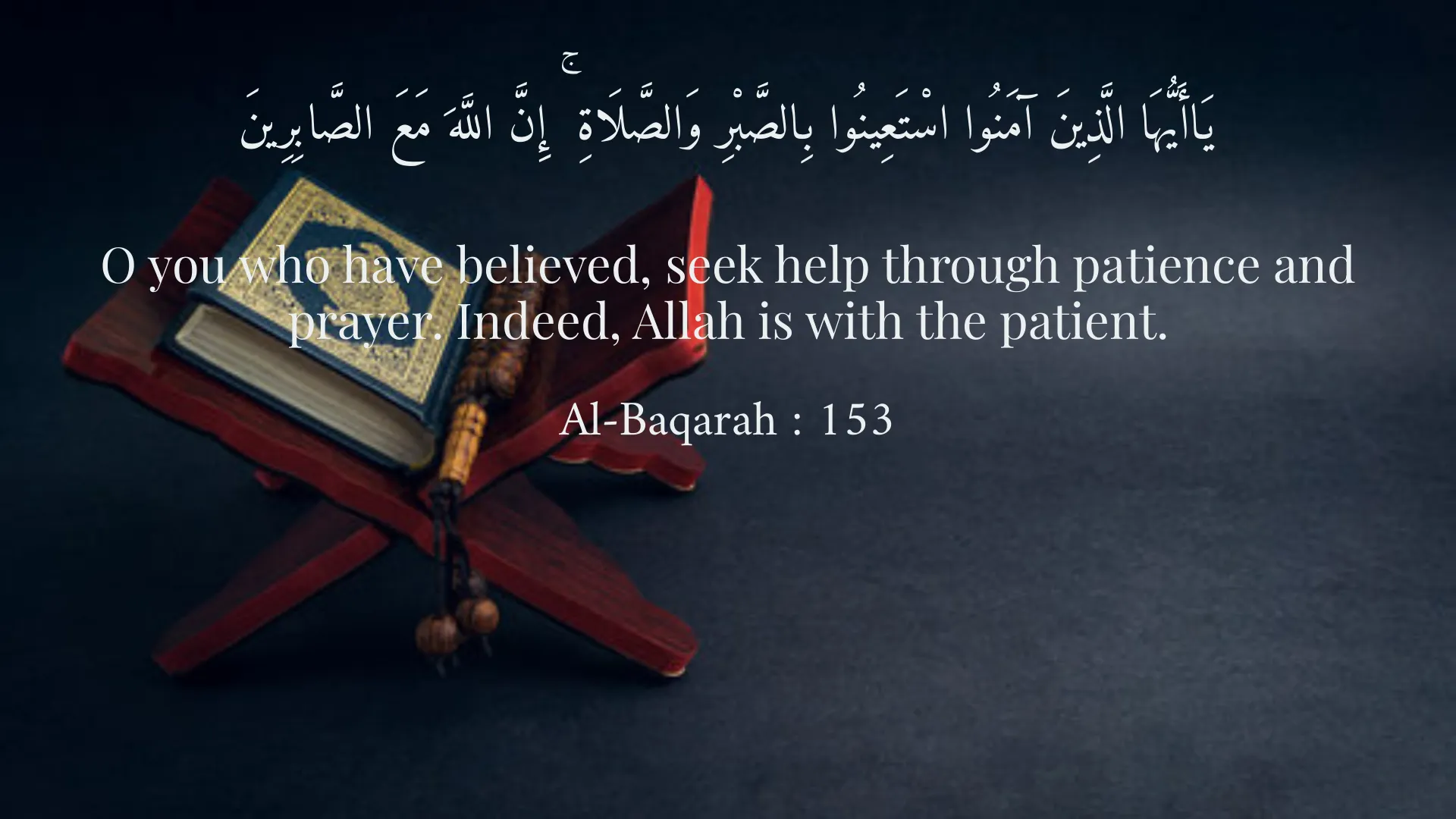
يَاأَيُّهَا الَّذِينَ آمَنُوا اسْتَعِينُوا بِالصَّبْرِ وَالصَّلَاةِ ۚ إِنَّ اللَّهَ مَعَ الصَّابِرِينَ
O you who have believed, seek help through patience and prayer. Indeed, Allah is with the patient.
Al-Baqarah : 153
قُلْ لِلمُؤْمِنِينَ يَغُضُّوا مِنْ أَبْصَارِهِمْ وَيَحْفَظُوا فُرُوجَهُمْ ۚ ذَٰلِكَ أَزْكَىٰ لَهُمْ ۗ إِنَّ اللَّهَ خَبِيرٌۭ بِمَا يَصْنَعُونَ
Tell the believing men to reduce [some] of their vision and guard their private parts. That is purer for them. Indeed, Allah is Acquainted with what they do.
An-Noor : 30
يَا أَيُّهَا الَّذِينَ آمَنُوا إِن تَتَّقُوا اللَّهَ يَجْعَل لَّكُمْ فُرْقَانًا وَيُكَفِّرْ عَنكُمْ سَيِّئَاتِكُمْ وَيَغْفِرْ لَكُمْ ۗ وَاللَّهُ ذُو الْفَضْلِ الْعَظِيمِ
O you who have believed, if you fear Allah, He will grant you a criterion and remove from you your misdeeds and forgive you. And Allah is the Possessor of Great Favor.
Al-Anfal : 29
Short Story
Once upon a time, there was a man named Hasan who faced many challenges in his life. In search of peace, he decided to read the Quran and consider its verses as guidelines for his life. He referred to various verses each day and drew inspiration from them. This helped him overcome his problems with patience and gratitude, leading him to find peace.