Quranic Answer
Recognizing the path of truth through the Holy Quran requires deep reflection on its verses and a profound understanding of its teachings. The Quran, regarded as the ultimate guide for humanity, presents itself as a source of spiritual clarity and moral direction. In Surah Al-Baqarah, verse 2, it is stated, 'This is the Book about which there is no doubt, a guidance for those conscious of Allah.' This powerful verse elucidates the Quran's role as a beacon for individuals seeking the truth, emphasizing its undeniable authority and sacred wisdom. To comprehend the profound message of the Quran, individuals must engage with its verses with pure intentions and genuine piety. This entails not merely reading the words but diving deep into their meanings and implications. The act of reflection is imperative, for it facilitates a connection with the divine wisdom encoded in the text. The Quran encourages believers to ponder its verses, urging a contemplative approach that goes beyond surface understanding. Surah Al-Ma'idah, verse 15 reinforces this notion by stating, 'Indeed, our Messenger has come to you, bringing you truth.' This verse highlights the importance of the Prophet Muhammad as a pivotal figure in the dissemination of the Quran's message. By connecting with the teachings of both the Quran and the Prophet, individuals can attain a clearer understanding of the realities of life and the paths that lead to enlightenment and righteousness. The essence of this connection lies in realizing that the wisdom conveyed in the Quran is intended to guide humanity toward ethical living and spiritual fulfillment. The Quran serves as a comprehensive manual that addresses various aspects of human existence, encompassing not only spiritual matters but also social, legal, and ethical dimensions. Furthermore, in Surah Al-An'am, verse 155, it states, 'And this Book will certainly judge between you concerning that in which you used to differ.' This assertion speaks to the Quran's role as an arbiter in conflicts and disagreements. By relying on its verses for guidance, individuals can navigate the complexities of life with confidence. The Quran invites believers to seek unity and understanding through its teachings, fostering a sense of community based on shared values and principles. One of the key aspects of recognizing the path of truth through the Quran is the importance of scholarly interpretation. Islamic scholars play a crucial role in elucidating the meanings of the verses and providing context for their application in contemporary life. As the Quran is a text rich with layers of meaning, engaging with the interpretations of knowledgeable scholars can enhance one's understanding and appreciation of its teachings. This collaborative approach to understanding the Quran encourages a dynamic dialogue within the Muslim community, fostering a deeper appreciation for the text and its implications. In engaging with the Quran, believers often encounter challenges and obstacles that test their commitment to its teachings. Life's journey is inherently filled with ups and downs, and navigating these changes requires a steadfast dedication to the principles outlined in the Quran. It is through this commitment that individuals can better recognize the path of truth. The Quran provides guidance on how to maintain faith and patience during difficult times, reminding believers of the impermanence of worldly struggles and the enduring significance of spiritual pursuits. Moreover, Allah mentions in Surah At-Tawbah, verse 24: 'Say, if your fathers, your sons, your brothers, your wives, your relatives... are more beloved to you than Allah and His Messenger and jihad in His cause, then wait until Allah executes His command.' This verse emphasizes the necessity of prioritizing love for Allah and His teachings above all else. The act of placing divine guidance at the forefront of one's life simplifies the process of discerning the truth. It calls for a reevaluation of personal priorities and values, urging individuals to align their lives with the principles laid out in the Quran. By fostering a strong relationship with Allah and embracing the teachings of the Quran, believers can navigate life's challenges with a sense of purpose and direction. As seekers of truth, individuals must approach the Quran with respect and intention, recognizing it as a living testament to divine guidance. The journey towards understanding the Quran and recognizing the path of truth is a personal and profound experience. It involves introspection, active engagement, and a willingness to learn from the text and its teachings. By cultivating a sincere relationship with the Quran, individuals can unlock its treasures and cultivate a life of righteousness, integrity, and spiritual fulfillment. In conclusion, recognizing the path of truth through the Holy Quran is a journey that requires effort, intentionality, and profound reflection. By approaching its verses with an open heart and mind, believers can glean valuable insights that guide them toward a deeper understanding of themselves, their relationships, and their ultimate purpose in life. The Quran serves as a timeless guide that illuminates the path toward truth, urging individuals to cultivate a life characterized by devotion, compassion, and an unwavering commitment to seeking knowledge and understanding. As Muslims continue to navigate the complexities of modern life, the teachings of the Quran remain just as relevant today as they were centuries ago, offering timeless wisdom and guidance on the quest for truth.
Related Verses
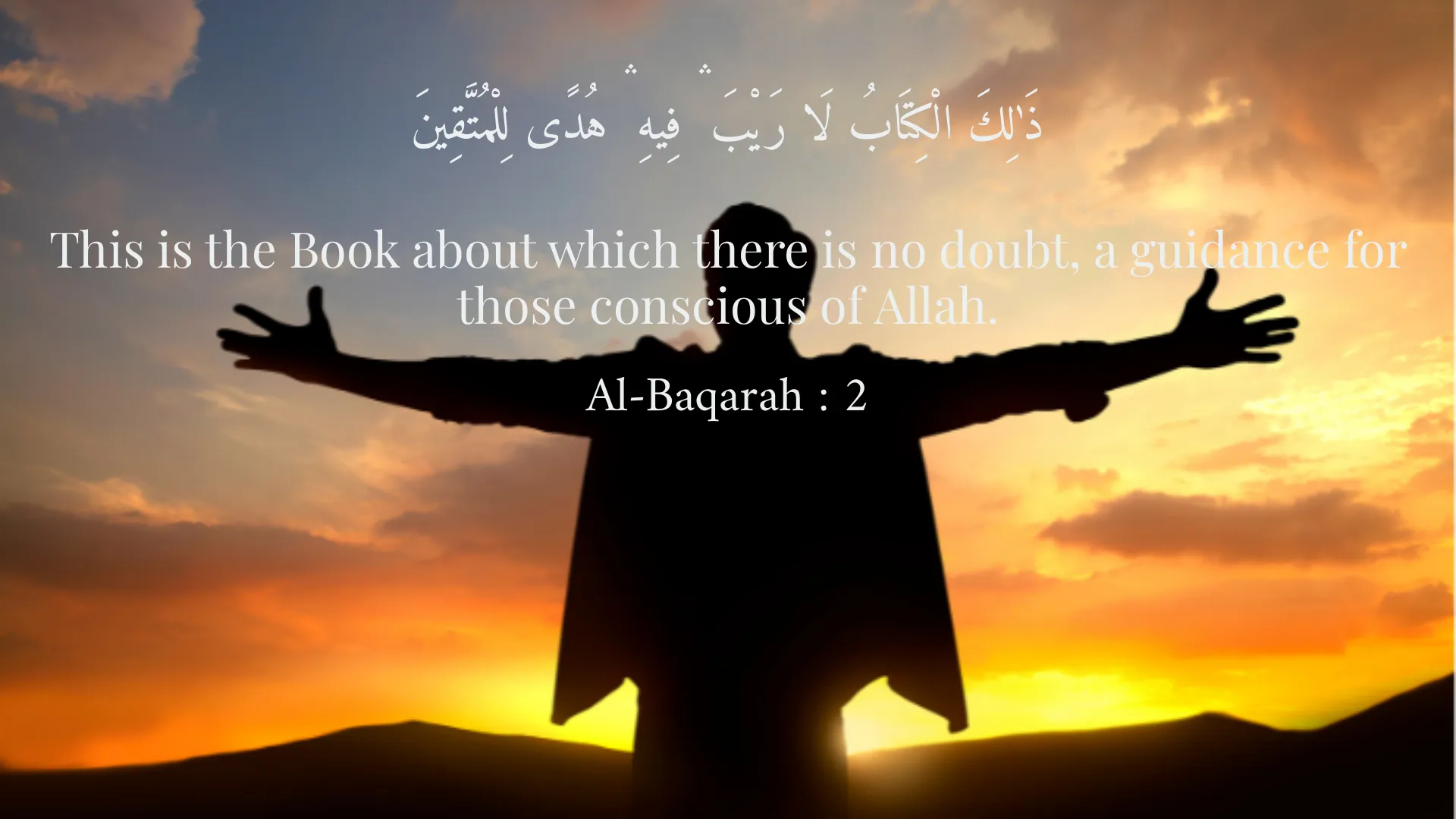
ذَٰلِكَ الْكِتَابُ لَا رَيْبَ ۛ فِيهِ ۛ هُدًى لِلْمُتَّقِينَ
This is the Book about which there is no doubt, a guidance for those conscious of Allah.
Al-Baqarah : 2
إِنَّ رَسُولَنَا قَدْ جَاءَكُمْ بِالْحَقِّ
Indeed, our Messenger has come to you, bringing you truth.
Al-Ma'idah : 15
وَهَذَا كِتَابٌ أَنزَلْنَاهُ مُبَارَكٌ ۖ لِّيَدَّبَّرُوا آيَاتِهِ وَلْيَذَّكَّرَ أُولُو الْأَلْبَابِ
And this Book will certainly judge between you concerning that in which you used to differ.
Al-An'am : 155
Short Story
Once upon a time, there was a man named Ali who was in search of truth. He turned to the Quran and decided to recite one verse each day and reflect upon it. With each recitation, a new world opened up for him, and gradually he gained a better understanding of life's path. This process not only strengthened his faith but also transformed him into a kinder and more compassionate person.