Quranic Answer
Understanding the attributes of God is one of the most important responsibilities of every believer. Throughout the ages, scholars, philosophers, and theologians have contemplated the nature of divinity, emphasizing its importance in the life of a believer. In the Holy Quran, Allah introduces Himself with various attributes, each elucidating different facets of His nature. These attributes include being the Most Merciful, the Most Compassionate, the All-Powerful, the All-Knowing, and the Wise. To internalize and appreciate these divine qualities, believers are encouraged to engage with the verses of the Quran and reflect on their meanings. The Quran serves as a profound source of guidance that contains numerous references to God’s attributes. For instance, in Surah Al-Baqarah, verse 255, known as Ayat al-Kursi, it states, "Allah! There is no deity except Him, the Ever-Living, the Sustainer of existence." This powerful verse emphasizes Allah's fundamental qualities: He is alive, present, and actively sustaining all of creation. The very essence of existence relies on Him, reinforcing the belief that every aspect of life is dependent on His will and mercy. Furthermore, in Surah Al-Mu’minun, verse 70, Allah emphasizes His mercy by stating, "And My mercy encompasses all things." This verse suggests that God's attributes include vastness and inclusivity, highlighting His endless compassion and love for all His creations. Believers are encouraged to reflect on God's mercy in their lives, acknowledging that it permeates every aspect of existence. This mercy is not only abundant; it is also unconditional, providing solace and reassurance to those who seek divine guidance. In addition to His mercy, the Quran articulates the honor and dignity that Allah bestows upon humans. For instance, in Surah Al-Isra, verse 70, it is mentioned, "And We have certainly honored the children of Adam." This verse signifies God's recognition of human potential, value, and inherent dignity. Believers are reminded of their esteemed status as humans, underlining the responsibility that comes with it to strive for righteousness and uphold justice in their lives. This understanding encounters a dual responsibility: while humans are honored, they must also live up to the expectations that come with such dignity. Moreover, the exploration of God's attributes enables believers to cultivate a more profound relationship with Him. A key aspect of understanding these divine characteristics involves actively engaging with the world around us. Reflecting on God's creation and contemplating the signs evident within nature and existence can lead to deeper insight into His nature. The world is filled with signs that point to the majesty and omnipotence of the Creator, providing tangible examples of His presence and attributes. To genuinely comprehend God's attributes, believers should strive to study and contemplate the Quranic verses regularly. This process is not merely an intellectual exercise; it is a spiritual journey that leads to a greater connection with Allah. Prayer is equally important, as it serves as a direct line of communication between the believer and the Creator. Through prayer, individuals articulate their hopes, fears, gratitude, and aspirations, fostering a personal relationship that enhances their understanding of divine attributes. Additionally, maintaining a close connection with Allah allows for enrichment of the believer's spirit. This closeness can be further cultivated through acts of worship, good deeds, and ethical living, which are integral to Islamic teachings. As believers embody the values of mercy, compassion, and wisdom in their lives, they reflect the divine attributes they are striving to understand. This mirrors back the essence of being a true servant of God. It is also essential for believers to engage in discussions within their communities that revolve around the attributes of God. Sharing insights and exchanging personal experiences can provide new perspectives and reinforce a collective understanding. Engaging in such dialogues cultivates empathy and compassion among community members, further anchoring the understanding of God's mercy and love. Lastly, the journey of understanding the attributes of God is never-ending. Many scholars emphasize that no one can fully comprehend the divine essence; however, the quest itself is valuable. It inspires believers to move away from ignorance and strive toward enlightenment, thereby purifying their souls and deepening their faith. This lifelong endeavor allows for personal growth and transformation, both spiritually and morally. In conclusion, recognizing the attributes of the Almighty is a profound and pivotal responsibility for every believer. Engaging with the verses of the Quran and reflecting upon them is essential in this endeavor. God’s attributes, such as His mercy, knowledge, and dignity, are not only themes to ponder but also guiding principles to inform our actions and relationships. Ultimately, this path leads believers to a closer relationship with Allah, fostering a deeper understanding of their faith and encouraging them to embody the divine attributes in their lives. This theme should be reiterated for every believer as they pursue continuous growth and connection to God, moving towards greater spiritual fulfillment.
Related Verses
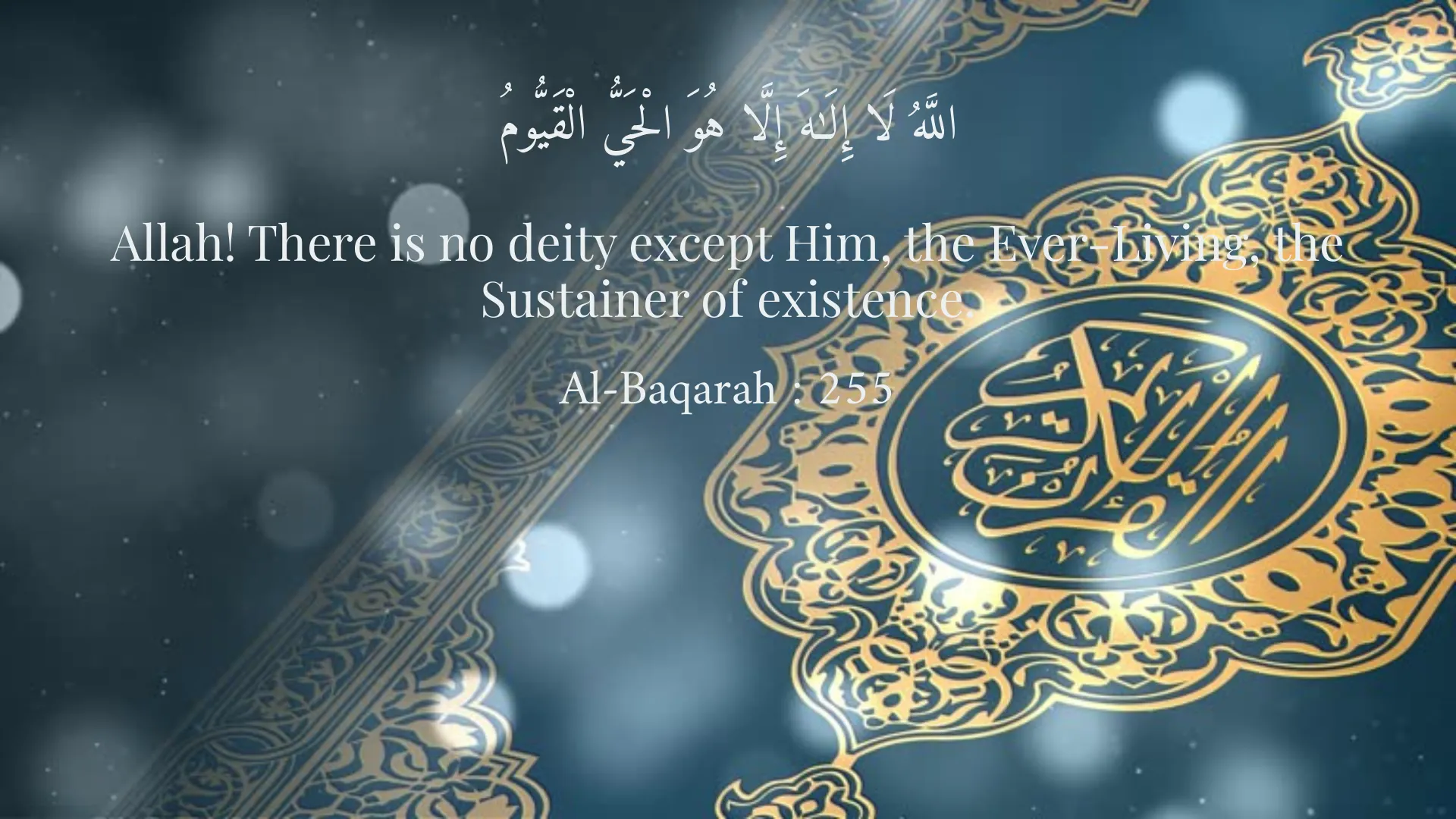
اللَّهُ لَا إِلَٰهَ إِلَّا هُوَ الْحَيُّ الْقَيُّومُ
Allah! There is no deity except Him, the Ever-Living, the Sustainer of existence.
Al-Baqarah : 255
وَرَحْمَتِي وَسِعَتْ كُلَّ شَيْءٍ
And My mercy encompasses all things.
Al-Mu'minun : 70
وَلَقَدْ كَرَّمْنَا بَنِي آدَمَ
And We have certainly honored the children of Adam.
Al-Isra : 70
Short Story
One day, Adel was walking in nature, contemplating the beauty of creation. He recalled the words of the Quran and thought about God’s attributes of mercy and knowledge. He felt it would be best to know more of God's attributes, so he decided to dedicate some time each day to reading the Quran and reflecting on it. Over time, he found peace and clarity, realizing he had developed a deeper connection with God.