Quranic Answer
### The Significance of Language in the Holy Quran: A Pathway to Guidance or Misguidance Language is one of the most profound gifts bestowed upon humanity, serving not only as a means of communication but also as a powerful conduit for bringing thoughts, emotions, and meanings to life. The Holy Quran, as the central religious text of Islam, places immense significance on the influence of language in the context of guidance and misguidance. This essay explores the multifaceted role of language in the Quran, emphasizing its potential to guide individuals toward wisdom, its capacity for fostering misunderstanding and conflict, and the vital necessity of utilizing language to promote respect and kindness. #### Language as a Guide to Wisdom In the Quran, language is portrayed as a tool that should be wielded with care and respect. The critical nature of speech can be traced back to numerous verses that highlight how words can shape realities and influence relationships. For instance, in Surah Yusuf, the tale of Prophet Joseph serves as a poignant illustration of the power of language. The narrative unfolds with Joseph's brothers expressing their unkind thoughts towards him, which ultimately leads to alienation, jealousy, and deep familial rifts. Their derogatory words towards Joseph sow seeds of discord, demonstrating how harmful language can lead to profound sorrow and emotional turmoil. This aspect of the story reiterates the Quran's teachings that words may either elevate individuals or dismantle relationships, depending on how they are employed. Furthermore, Surah Al-Isra, verse 53 states: "And speak to them a noble word." This directive underscores the necessity of using respectful and kind language when interacting with others. The Quran urges its followers to adopt an approach of compassion and understanding in their communication. By fostering an environment where noble speech prevails, individuals can create a space conducive to personal growth and societal harmony. Thus, when language is wielded with wisdom and intention, it serves as a beacon of guidance, leading toward enlightenment and mutual respect. #### The Dangers of Language Misuse Conversely, the Quran also serves as a cautionary reminder of the dangers of language when misused. Language has the potential to misguide, creating misunderstandings and deepening divisions among individuals and communities. The power of words can breed jealousy, hatred, and hostility; aspects vividly illustrated in the story of Joseph and his brothers. This narrative emphasizes how negative rhetoric can stir deep emotional scars and destroy relationships. Indeed, the Quran highlights the ramifications of toxic language affecting individual hearts and communal ties. When words are laden with animosity or contempt, they can lead to misguidance and emotional estrangement, which, in turn, can destabilize social structures and ignite conflicts. It is critical for adherents to evaluate the nature of their discourse and to prioritize empathetic and constructive interactions over antagonistic or harmful communication. #### Diversity in Language: A Reflection of God’s Creation In Surah Al-Hijr, verse 22, Allah articulates, "And We have created you in pairs and made you into nations and tribes, that you may know one another. Verily, the most honored of you in the sight of Allah is the most righteous. Indeed, Allah is Knowing and Acquainted." This verse eloquently captures the essence of linguistic diversity as a deliberate and divine creation meant to foster understanding and cooperation among humanity. The variety of languages and dialects manifests divine wisdom, underscoring human diversity as a mechanism to establish interpersonal connections. The Quran implores individuals to recognize and celebrate this linguistic diversity, acknowledging it as a vital tool to bridge gaps and enhance mutual respect among various communities. Each language embodies unique cultural concepts and values, enriching the tapestry of human experience. When language is utilized as a means to promote dialogue and understanding, it can pave the way for collaboration, peace, and collective growth. #### Language in Building Communities of Believers The Quran further accentuates the role of language in shaping communities of believers. Words are the primary means through which ideas, morals, and teachings are communicated. The emphasis on articulate expression in the Quran serves multiple purposes, from fostering unity among believers to reinforcing shared values and morality within the community. In a community where the righteous gather, language cultivates an environment of trust, respect, and mutual understanding. Clear and honest discourse allows for the cultivation of beneficial relationships while averting misunderstandings that may lead to discord. Encouraging sincere and constructive dialogue is pivotal in establishing resilient and harmonious communities where collective welfare is prioritized over individual gain. #### The Responsibility of Language Users Given the Quran’s profound insights into language’s potential, it becomes evident that individuals possess a significant responsibility in their use of language. This responsibility encompasses ensuring that communication remains respectful, noble, and constructive. Words carry weight; therefore, it is necessary for individuals to comprehend their implications fully. Ultimately, humans are endowed with the ability to choose their words, and this choice shapes their identity and influences the environment around them. By promoting noble speech, individuals can contribute positively to society and lead others toward wisdom and happiness while avoiding the traps of misguidance and conflict. The pursuit of a society enriched by cooperative dialogue hinges on individuals' commitment to articulate their thoughts thoughtfully and with empathy. #### Conclusion In conclusion, the Holy Quran intricately intertwines the significance of language with the broader themes of guidance and misguidance. Through various illustrative narratives and guiding verses, it emphasizes the dual potential of language to nurture understanding or incite conflicts. As believers navigate their interactions, it is crucial to remain conscious of the power of words and to exercise this power in ways that uplift and inspire. Language, when used rightly, serves as a transformative tool guiding humanity toward harmony, wisdom, and enriching coexistence. Thus, the Quran’s teachings on language reveal a timeless truth: that words can either serve as bridges connecting hearts or barriers dividing them, and the choice lies in the hands of those who wield them.
Related Verses
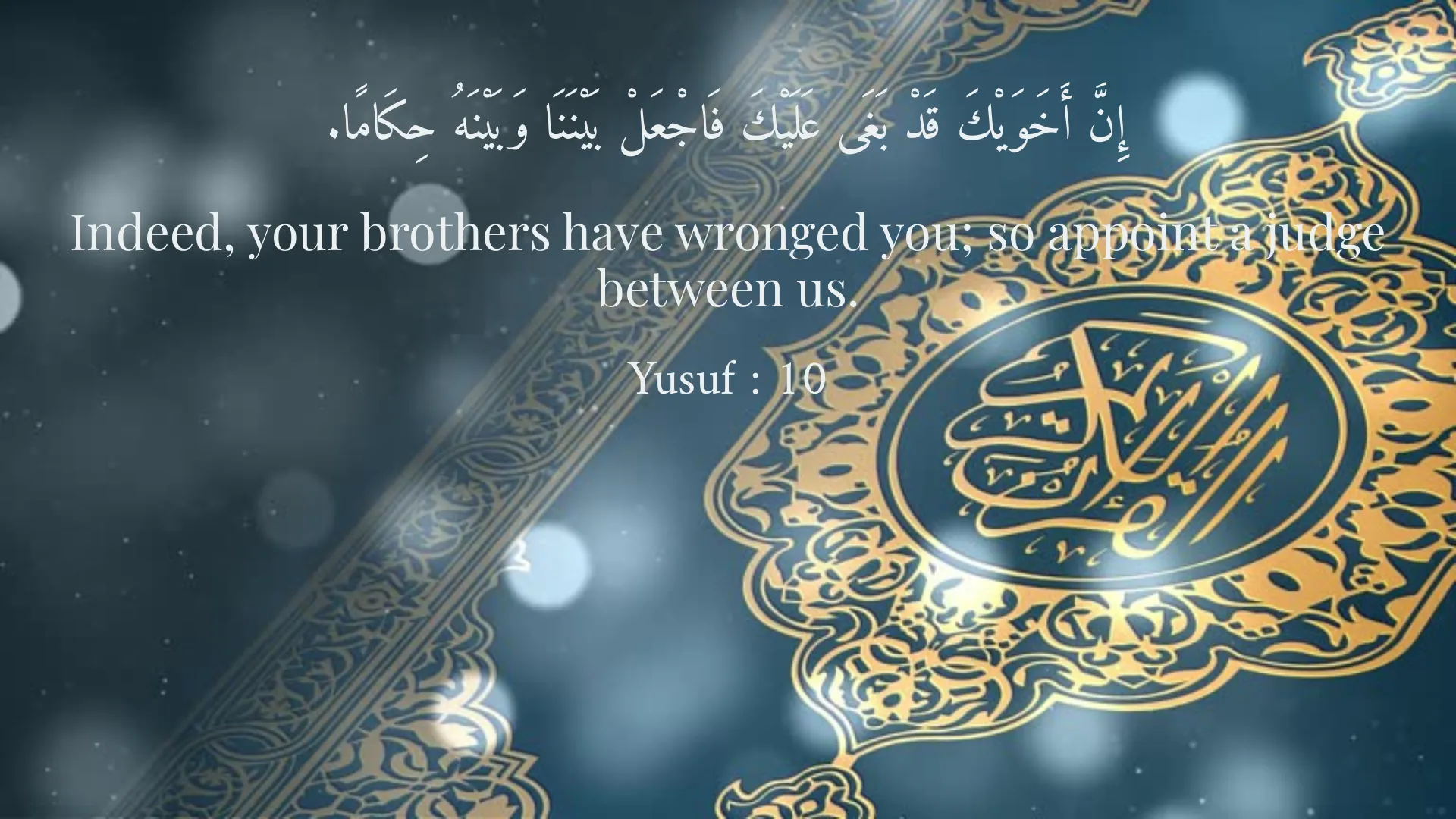
إِنَّ أَخَوَيْكَ قَدْ بَغَى عَلَيْكَ فَاجْعَلْ بَيْنَنَا وَبَيْنَهُ حِكَامًا.
Indeed, your brothers have wronged you; so appoint a judge between us.
Yusuf : 10
وَقُلْ لَهُمْ قَوْلًۭا كَرِيمًۭا.
And speak to them a noble word.
Al-Isra : 53
وَجَعَلْنَا مِنَ الْمَاءِ كُلَّ شَيْءٍ حَيٍّ.
And We have made from water every living thing.
Al-Hijr : 22
Short Story
One day, a group of friends was discussing the power of words and their impact on relationships. One of them said, "You know how easily a kind word can brighten someone's day or the opposite!" Another friend replied, "Yes, we should always strive to keep our language soft and respectful. The Quran emphasizes this greatly." This conversation reminded the friends that words can open the way to guidance or misguidance.