Quranic Answer
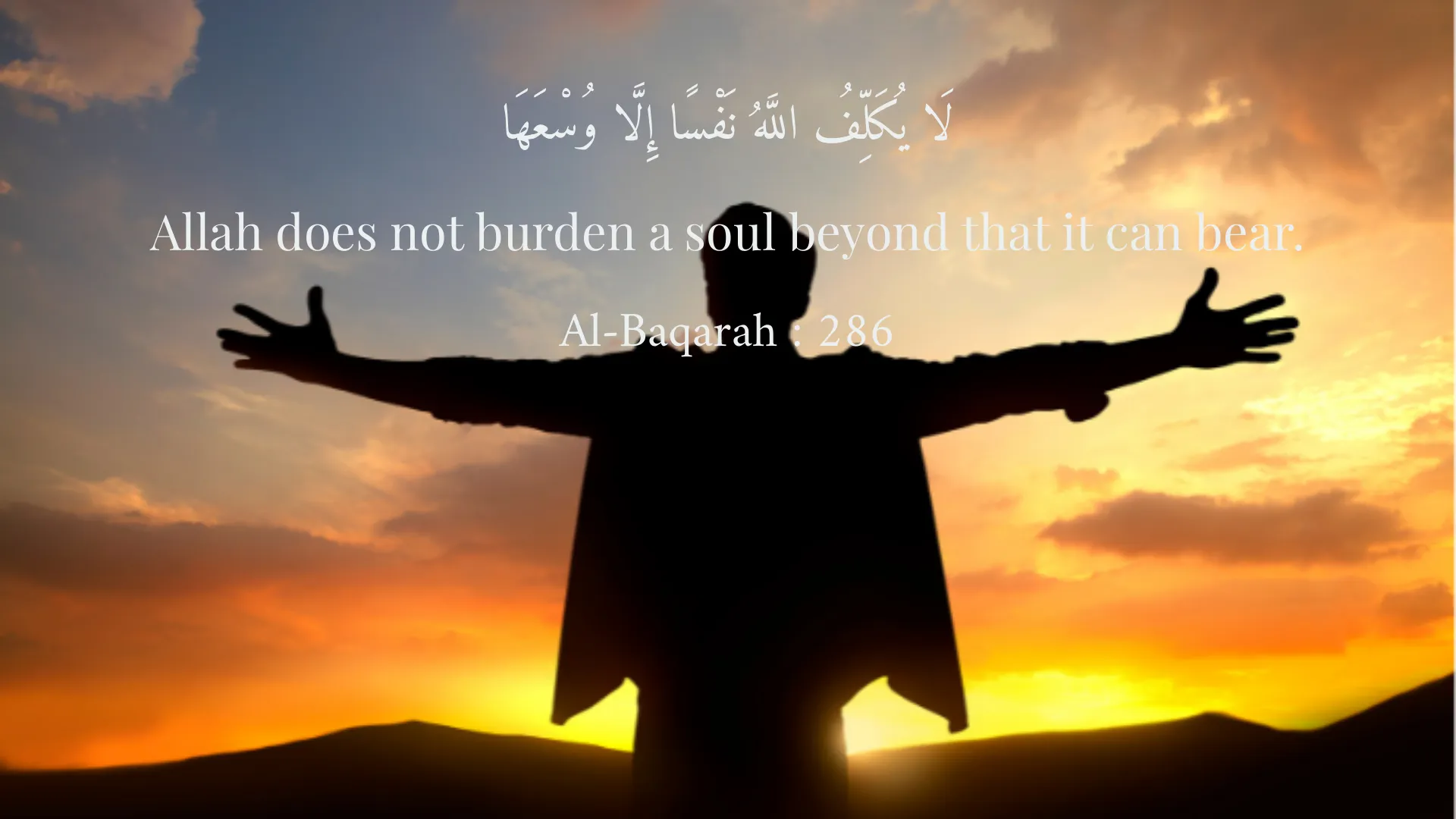
The Holy Quran: A Harmonious Dichotomy of Individualism and Collectivism The Holy Quran, revered by over one billion Muslims worldwide, serves not only as a religious text but also as a comprehensive guide for leading a fulfilling life. One of the fundamental aspects of the Quran is its establishment of a remarkable balance between individualism and collectivism. This duality is crucial for understanding human behavior and social interaction within the Islamic context. The Quran's teachings underscore the significance of personal responsibility while simultaneously highlighting the necessity of cooperation with others in society. Individualism in the Holy Quran Individualism, as highlighted in the Quran, reflects the concept of personal will and freedom. It endorses the idea that each person is endowed with unique talents, capabilities, and paths in life. A prime example of this individualism is found in Surah Al-Baqarah, verse 286, where Allah states, "Allah does not burden a soul beyond that it can bear." This verse signifies the belief that every individual has the innate capacity to manage their life and responsibilities. It reinforces that each person is accountable for their actions, underscoring the profound understanding that human beings possess the ability to choose their paths while facing the challenges life presents. By acknowledging individual potential, the Quran encourages self-awareness and personal growth. This strengthens the notion that personal development, knowledge acquisition, and the pursuit of careers are not just acceptable but also noble pursuits in the light of faith. The emphasis on individualism invites Muslims to harness their abilities to the fullest, thus playing an active role in society. Furthermore, this idea of individual responsibility fosters a sense of autonomy in believers, enabling them to take ownership of their spiritual and moral lives. However, it is crucial to note that this individualism does not advocate for selfishness or disregard for others. Instead, it operates in conjunction with social responsibilities. The Quran emphasizes that, while individuals may pursue their aspirations, they must do so while being mindful of their ethical and moral obligations towards others. Collectivism in the Holy Quran While individualism is a significant theme within the Quran, collectivism holds an equally important place. The Quran stresses the importance of community, cooperation, and mutual support among believers. In Surah Al-Ma'idah, verse 2, it mentions, "And cooperate in righteousness and piety," thus highlighting the importance of working together and helping one another in adherence to moral and spiritual values. This principle extends beyond mere coexistence; it promotes active engagement in collective actions that contribute to the welfare of society. The concept of collectivism in the Quran invites believers to be part of a larger community and to recognize that their actions can impact others. This interconnectedness fosters a sense of belonging and solidarity among individuals, emphasizing the value of collective well-being. When individuals come together to support each other, engage in charitable works, and promote justice, they not only enhance their individual sense of purpose but also contribute to the broader societal fabric. In this manner, the Quran imparts the significance of social ethics, thereby guiding Muslims to engage in practices that benefit their communities. The Balance Between Individualism and Collectivism The crux of the Quranic message lies in the harmonious balance between individualism and collectivism. The Quran recognizes that one cannot thrive without the other. The acknowledgment of personal identity and capabilities is paramount; yet, it must be coupled with a sense of duty towards the community. In essence, the Quran teaches its followers to respect their personal identities while remaining committed to their communities. In Surah At-Tawbah, verse 71, this balance is further exemplified as it states that believers should "advise one another and assist in good deeds." This verse highlights the importance of positive interaction among community members. The Quran encourages believers to engage in dialogues that promote virtue and morality, fostering an environment where individuals can grow spiritually while contributing positively to society. Such interactions enhance the individual's journey of self-discovery and development while reinforcing community bonds. The Role of Individual Identity in Community The notion of respecting individual identity is essential in allowing Muslims to appreciate the diversity within their communities. Each individual brings a unique set of experiences, perspectives, and talents to the collective whole. This diversity enriches social interactions and cultivates mutual understanding and acceptance, important components in building a cohesive society. By valuing individual identities, communities are better positioned to support one another. Moreover, the Quran emphasizes that the development of a meaningful life is contingent upon balancing personal ambitions with community contributions. This balance encourages individuals to engage with their communities actively, whether through charity, volunteering, or fostering positive relationships. By doing so, individuals can achieve personal growth while also uplifting those around them. In this regard, the Quran provides a framework wherein moral values, social responsibilities, and spirituality intertwine. Conclusion In conclusion, the Holy Quran adeptly navigates the intricacies of human existence by promoting a balanced relationship between individualism and collectivism. It celebrates the notion of individual potential and accountability while simultaneously underscoring the importance of communal bonds and shared responsibilities. Ultimately, the Quran guides its followers to cultivate their personal identities while remaining committed members of their communities. This balanced approach fosters a deeper understanding of one’s role in society, paving the way for meaningful interactions and collective growth. As we strive for both personal fulfillment and communal harmony, the teachings of the Quran remain a timeless source of wisdom for Muslims around the world.
Related Verses
لَا يُكَلِّفُ اللَّهُ نَفْسًا إِلَّا وُسْعَهَا
Allah does not burden a soul beyond that it can bear.
Al-Baqarah : 286
وَتَعَاوَنُوا عَلَى الْبِرِّ وَالتَّقْوَى
And cooperate in righteousness and piety.
Al-Ma'idah : 2
وَالْمُؤْمِنُونَ وَالْمُؤْمِنَاتُ بَعْضُهُمْ أَوْلِيَاءُ بَعْضٍ
And the believing men and believing women are allies of one another.
At-Tawbah : 71
Short Story
Once upon a time, there was a man named Ahmad who found himself at a crossroads. He desired to reach personal independence while simultaneously considering his responsibilities toward his family. Seeking answers, he turned to Islamic literature, especially the Quran. By studying the verses related to individuality and social obligation, he concluded that he could live a successful life while preserving his identity and cooperating with others. Determined, he embraced work and effort in his community, all while remaining attentive to himself and his goals.