Quranic Answer
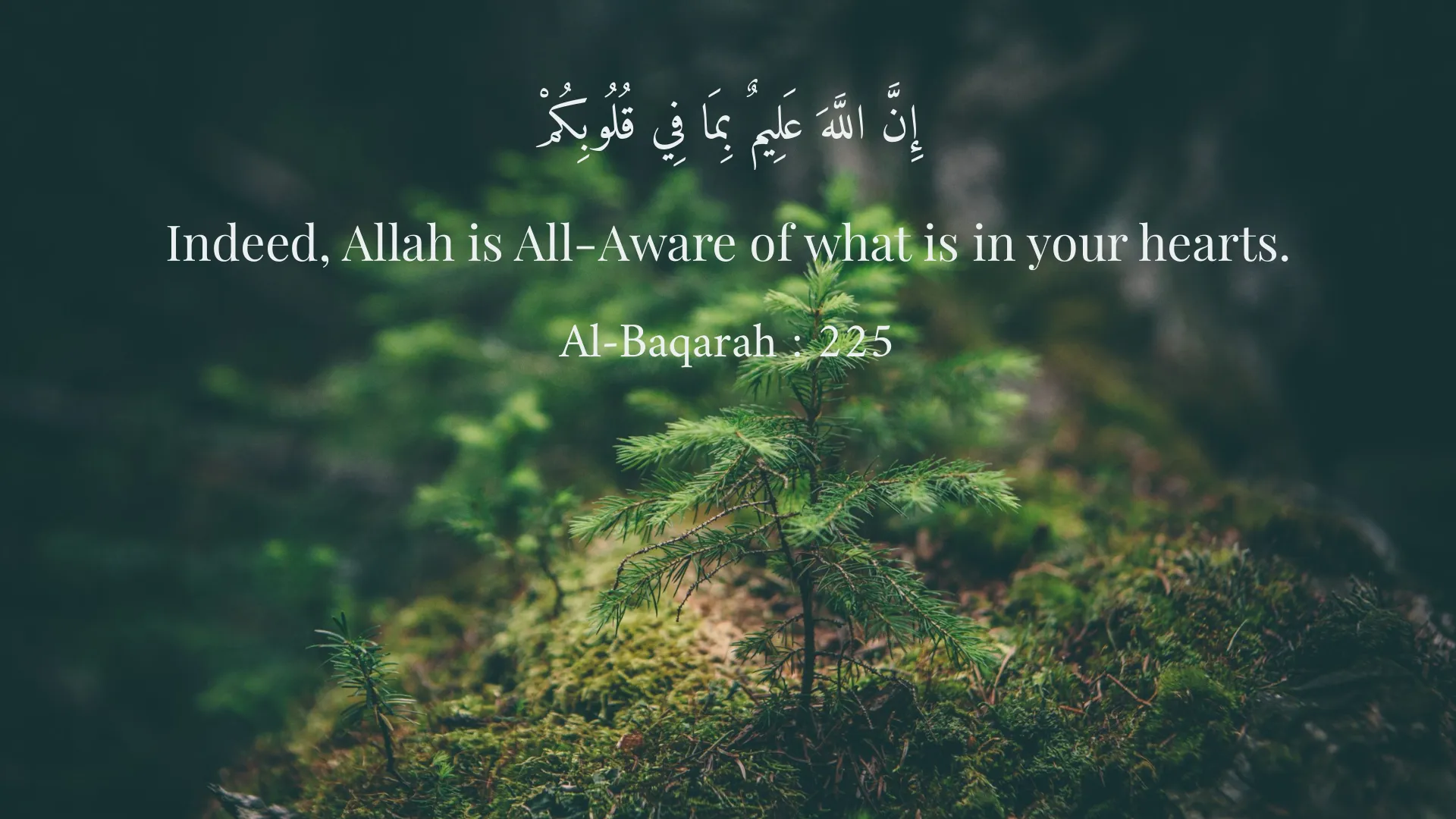
The Holy Quran is not only a spiritual guide for millions of Muslims around the world but also a profound philosophical text that delves into the intricate relationship between human emotions, intentions, and actions. One of the most striking aspects of the Quran is how it emphasizes the significance of the heart, portraying it as the epicenter from which human intentions stem, ultimately shaping the actions of individuals. This concept—an intertwining of the heart and action—is critical in understanding the Islamic viewpoint on morality and virtue. This article explores the significant verses of the Quran that address the relationship between the heart and human actions, revealing how one's inner state has far-reaching consequences on their behavior and spiritual journey. The heart, as defined in the Quran, is more than just a physical organ. It embodies feelings, intentions, and faith. For Muslims, the heart symbolizes where true belief resides; thus, it plays a pivotal role in determining how one behaves in their daily life. The Quran describes the heart's condition as a predictor of the ethical choices an individual will make, emphasizing that a sound heart leads to righteous actions. Conversely, a heart filled with malice or corruption may lead to immoral behavior. This intrinsic relationship is deeply explored through various verses throughout the Quran. One of the key verses that illustrates this connection is found in Surah Al-Baqarah, verse 225, where it states: 'Allah is All-Aware of what is in your hearts.' This verse serves as a reminder to individuals that their thoughts and intentions are transparent before Allah, the all-knowing. It prompts believers to introspect and assess their inner motives, recognizing that what resides in their hearts is of utmost importance. The implication here is profound; human actions originate from internal intentions, and as such, an understanding of one's heart becomes critical in the quest for self-improvement and moral integrity. This verse encourages individuals to cultivate purity in their hearts, which will naturally manifest in their actions. Moreover, in Surah Al-Imran, verse 29, Allah states, 'The hearts are in the hand of Allah; if He wills, He turns them.' This verse underscores the notion of divine guidance and control over what transpires within the human heart. The idea that Allah has the power to guide hearts towards good, righteousness, and faithfulness reinforces the belief that individuals should seek divine assistance in their spiritual journey. It highlights the notion that while individuals have the capacity to choose their path, it is ultimately Allah who influences their inclinations. In this context, the heart becomes a vessel for spiritual and moral alignment with divine will, and believers are continually reminded to seek this guidance through prayer, reflection, and commitment to righteousness. Additionally, Surah Al-Mu'minun, verses 1 to 11, outlines the traits of successful believers, beginning with the assertion: 'Indeed, the believers have succeeded, they who are during their prayer humbly submissive.' This indicates that among the hallmarks of genuine faith is humility—a characteristic tied directly to the heart's condition. Humility reflects the health of an individual's heart; it is indicative of a heart that recognizes its dependence on Allah and the importance of sincerity in worship. The connection between humble submission in prayer and a sound heart is critical, as it illustrates how human actions, in this case, prayer, are influenced by the heart's condition. Believers are encouraged to ensure their hearts are aligned with humility and sincerity in their acts of worship; this alignment will, in turn, shape their behavior towards others, reinforcing a cycle of positive actions that stem from pure intentions. The Quran's perspective on the heart and its relationship with human intentions and actions extends beyond individual ethics and behavior. It establishes a foundational principle that governs not only personal conduct but also social interactions and communal life. A society composed of individuals who hold sound hearts can create an atmosphere of compassion, justice, and mutual respect. When hearts are inclined toward goodness, the collective actions lead to societal harmony and righteousness. The ripple effect of pure intentions rooted in sound hearts can significantly impact communities, fostering environments where love, understanding, and support prevail. In conclusion, the Holy Quran provides profound insights into the connection between the heart and actions. By emphasizing the importance of the heart as the center of intentions, feelings and faith, the Quran invites believers to reflect on their inner state and seek to cultivate purity within. Verses such as those found in Surah Al-Baqarah, Surah Al-Imran, and Surah Al-Mu'minun serve as vital reminders that the health of the heart is a precursor to good deeds and moral actions. The transformative power of a sound heart extends beyond the individual, influencing both personal and communal dynamics. Therefore, it is clear that in the Quran, the heart serves as the root for human intentions and ultimately actions, establishing a profound connection between the two and guiding humanity towards a path of righteousness, compassion, and divine alignment.
Related Verses
إِنَّ اللَّهَ عَلِيمٌ بِمَا فِي قُلُوبِكُمْ
Indeed, Allah is All-Aware of what is in your hearts.
Al-Baqarah : 225
الْقُلُوبُ بِيَدِ اللَّهِ إِنْ شَاءَ أَخَادَهَا
The hearts are in the hand of Allah; if He wills, He turns them.
Al-Imran : 29
قَدْ أَفْلَحَ الْمُؤْمِنُونَ
Indeed, the believers have succeeded.
Al-Mu'minun : 1
Short Story
Once upon a time, there was a man named Mustafa who constantly felt that his actions had become meaningless. He decided to turn to the words of the Quran and study its verses. Soon he realized that his heart must be in service to his actions. Reflecting on the verses of the Quran, he understood that only with a pure heart could he carry out his deeds sincerely. From that day on, Mustafa devoted himself to worship and good deeds with a pure intention, experiencing increased happiness and peace in his life.