Quranic Answer
The Holy Quran, revered as the ultimate source of guidance for Muslims, plays a pivotal role in shaping the lives and morals of millions across the globe. It transcends the role of a mere religious text, offering wisdom, solace, and direction in the complexities of daily human experiences. For many, the Quran serves as a companion and a source of comfort, instilling a sense of purpose and clarity. In this article, we will delve into various methods for incorporating the Quran into our daily lives, emphasizing its relevance in contemporary society and the profound impact it can have on our behavior, decision-making, and ethical standards. One fundamental way to integrate the teachings of the Quran into our daily routine is through the consistent practice of reading and reciting its verses. Establishing a daily recitation habit, even if for a few minutes, can serve as a powerful reminder of the divine wisdom contained within its pages. It is essential to remember that the Quran is not simply meant to be read, but also understood and implemented. Even a small amount of engagement with the Quran each day can deepen our spiritual connection with Allah and enhance our moral compass. The significance of daily recitation lies not solely in the act itself but in the reflections it may inspire. By pondering over the meanings of the verses we read, we can cultivate a stronger relationship with Allah. As we recite, we are reminded of His presence in our lives, prompting us to seek His guidance in various situations. This daily practice can instill a renewed sense of purpose and devotion, reminding us to remain steadfast in our faith through both trials and triumphs. Understanding the meanings of these verses holds significant importance. It is one thing to recite the Quran in Arabic, and another to comprehend its teachings in one's native language. Many translations and commentaries are available that elucidate the verses' meanings, allowing readers to grasp the wisdom behind Allah's words. By contemplating on the passages and applying their messages to our lives, we create an opportunity for self-improvement. Thus, when faced with challenges or moral dilemmas, we can reference the Quran for insight and direction. Consider Surah Al-Baqarah, verse 286, which states, "Allah does not burden a soul beyond that it can bear." This powerful verse encompasses deep wisdom and comfort, reminding us that we are never alone in our struggles. It reassures us that Allah is aware of our hardships and that He has endowed us with the strength to overcome them. In times of distress, this reminder can provide us with the fortitude to endure, bolstering our hope and resilience. In addition to providing comfort, the Quran offers innumerable ethical teachings that guide our interactions with society and the world around us. Human behavior is largely influenced by the values we choose to uphold. Therefore, it is crucial to focus on the verses that address moral conduct, respect, and empathy towards others. Surah An-Nur verses 30-31 instruct believing men and women to lower their gazes and exercise modesty. Such teachings encourage individuals to adopt a sense of dignity and respectfulness in their interactions, fostering a more compassionate and understanding society. These verses compel us to engage in deliberate contemplation about our behavior and the impact it has on others. By internalizing these teachings of modesty and respect, we can profoundly affect our relationships. Every action has the potential to either uplift or tarnish the characters of those around us. Therefore, it is our responsibility to embody the principles outlined in the Quran, recognizing the weight of our actions and their repercussions. Another method of incorporating Quranic teachings into our lives is through their application in our personal decision-making processes. Life's complexities often necessitate guidance, especially when confronting ethical dilemmas or personal challenges. The Quran serves as a reliable source of guidance, reframing our perspectives and influencing our choices positively. By aligning our decisions with the Quran's teachings, we can navigate life with confidence and integrity. Each chapter of our lives presents an opportunity to apply these principles, ensuring a more fulfilling and meaningful existence. Moreover, the communal aspects of the Quran should not be ignored. Engaging with community members allows for shared understanding and the collective reinforcement of Quranic teachings. Study circles, Quranic classes, or simple family discussions about the Quran encourage a culture of learning and introspection. Such interactions cultivate an environment in which individuals can share their insights and experiences, enriching one another’s understanding of the divine message. The concept of gratitude is also prevalent throughout the Quran. Regularly reflecting on our blessings, as prescribed by various verses, fosters a mindset of appreciation and contentment. Surah Ibrahim, verse 7 states, "And remember when your Lord proclaimed: If you give thanks, I will surely increase your favor upon you." This promise prompts us to acknowledge the divine gifts bestowed upon us, fostering a societal culture of gratitude and harmony. As we immerse ourselves in the enriched moral landscape provided by the Quran, it is crucial to remember that it is a lifelong journey rather than a fleeting commitment. Each verse we read has the potential to reshape our identities and guide us through the tribulations of life. By embracing the Quran actively, we embark on a path toward spiritual refinement and ethical enlightenment. In conclusion, the Holy Quran remains an indispensable pillar of guidance for Muslims, offering clarity, direction, and purpose. Everyday practices such as reading, reflecting, and implementing its teachings can significantly enhance the quality of our lives and relationships. By recognizing the Quran as a profound source of wisdom, we can navigate life’s complexities with grace and integrity, ultimately fostering a deeper connection to Allah and each other. In a world often defined by chaos and uncertainty, the Quran's teachings provide solace, illuminating our paths toward righteousness and compassion.
Related Verses
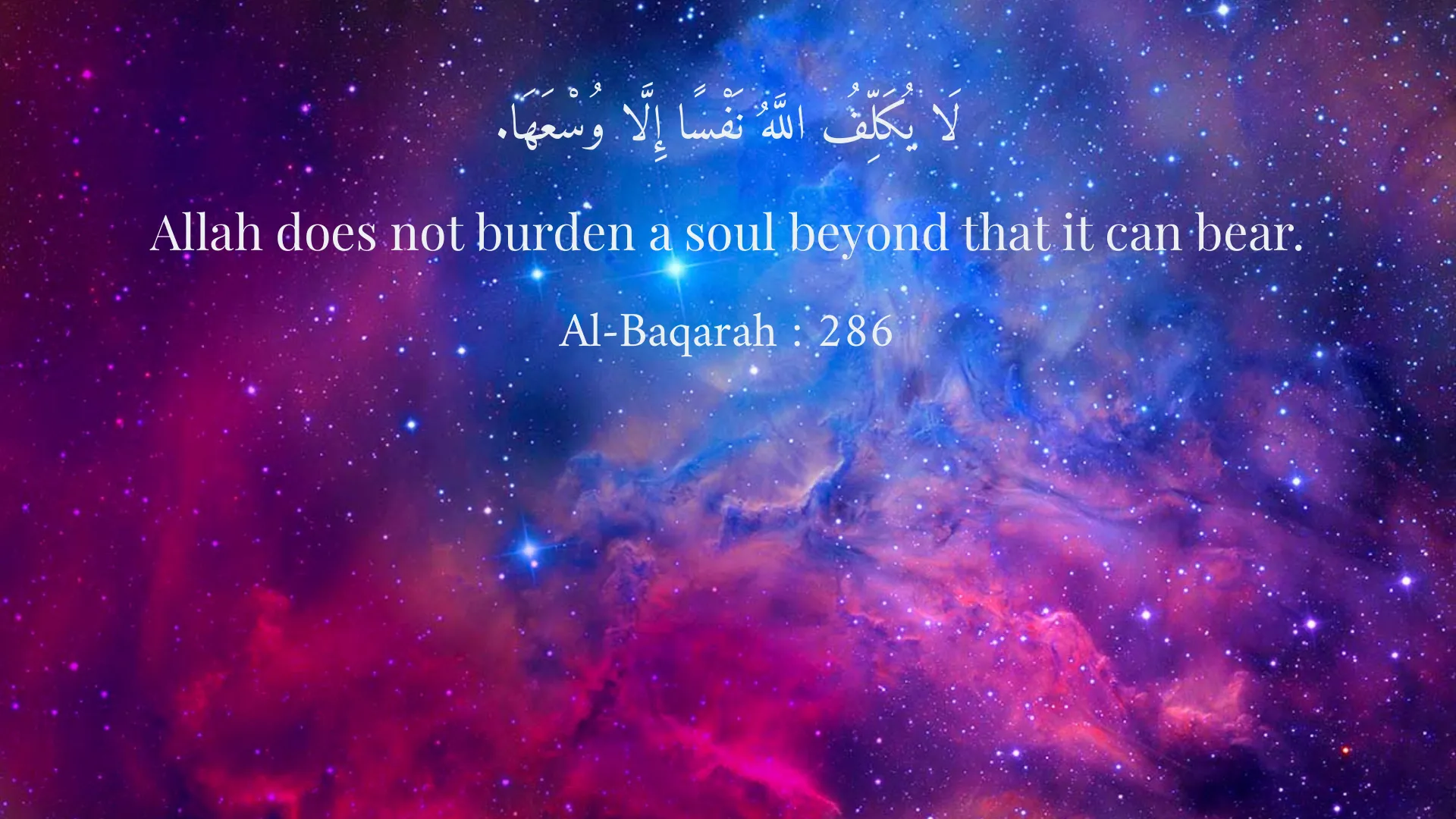
لَا يُكَلِّفُ اللَّهُ نَفْسًا إِلَّا وُسْعَهَا.
Allah does not burden a soul beyond that it can bear.
Al-Baqarah : 286
قُل لِّلْمُؤْمِنِينَ يَغُضُّوا مِنْ أَبْصَارِهِمْ وَيَحْفَظُوا فُرُوجَهُمْ.
Tell the believing men to lower [some] of their vision and guard their private parts.
An-Nur : 30
وَقُل لِّلنِّسَاءِ الْمُؤْمِنَاتِ يَغْضُضْنَ مِنْ أَبْصَارِهِنَّ وَيَحْفَظْنَ فُرُوجَهُنَّ.
And tell the believing women to lower [some] of their vision and guard their private parts.
An-Nur : 31
Short Story
One day, Maryam was reflecting on her life. She felt an urge for change. She remembered the verses of the Quran and decided to read one verse daily and ponder upon it. She noticed that with this practice, her spirit felt calm, and her behavior towards others improved. Through the teachings of the Quran, Maryam found a way to smile at life.