Quranic Answer
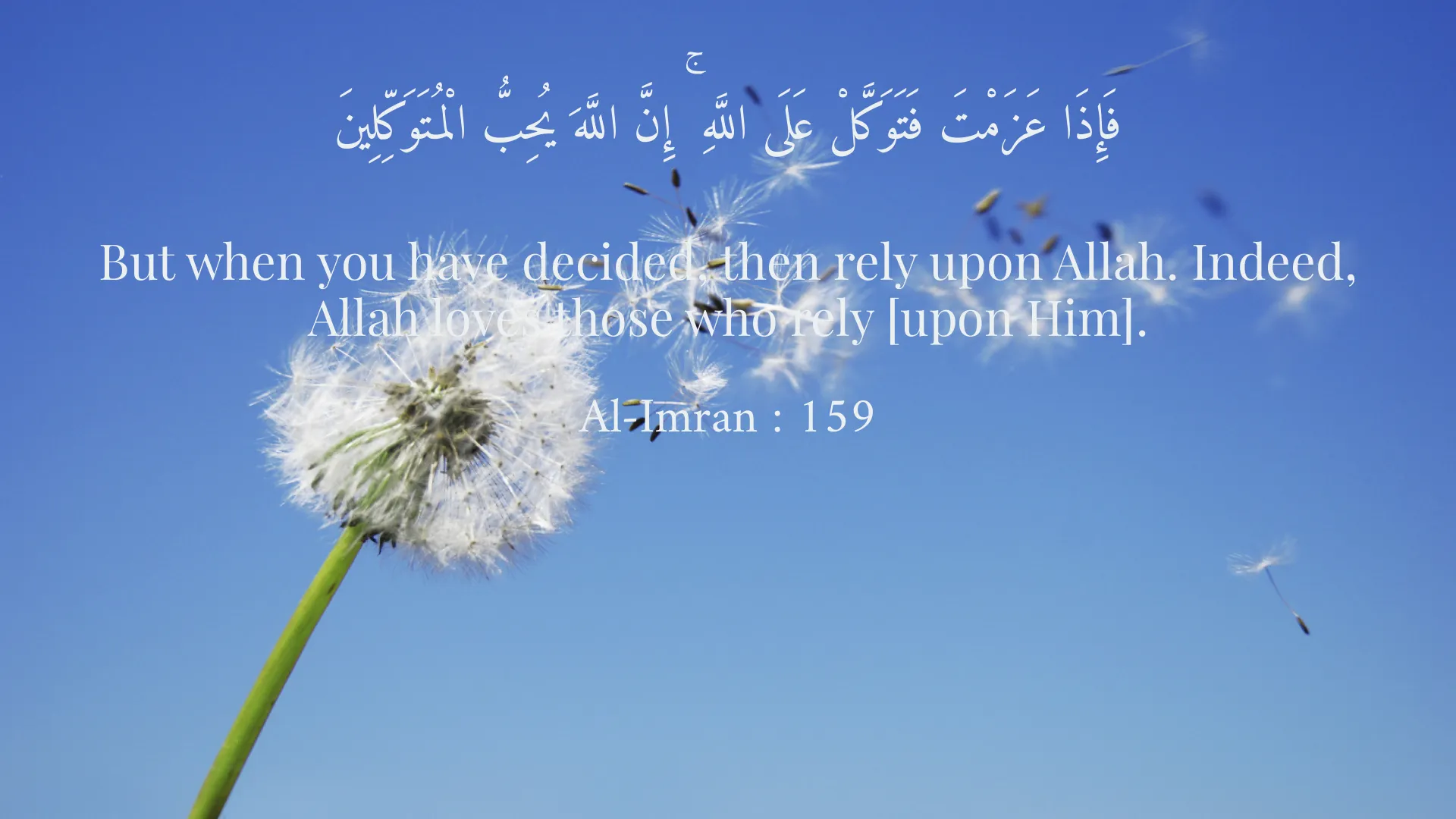
The Holy Quran, revered by Muslims as the final testament of divine guidance, provides numerous pathways for individuals to seek counsel and gain insights into life's complexities. The teachings within the Quran are not merely historical accounts or abstract philosophies; they serve as practical advice for everyday challenges, relationships, and existential inquiries. This article aims to delve deeper into the manifold ways one can engage with the Quran to access divine guidance, reflecting on the implications of the verses and their relevance to various facets of life. In doing so, we will explore the importance of consultation, the significance of relying on Allah, and practical steps one can take to navigate through life's uncertainties. One of the most profound dimensions of seeking guidance in the Holy Quran is encapsulated in the principle of mutual consultation or “shura.” In Surah Al-Imran, verse 159, Allah commands the Prophet Muhammad (peace be upon him) to consult with believers before making decisions: 'But when you have decided, then rely upon Allah. Indeed, Allah loves those who rely [upon Him].' (3:159). This verse underscores the importance of collaboration and collective wisdom when facing life's challenges. The directive for consultation implies a community-oriented approach, suggesting that wisdom can be found not just in solitude but through the exchange of thoughts and perspectives among peers. It invites individuals to engage in dialogue, listen to one another, and arrive at conclusions that are informed and balanced. Moreover, the emphasis on reliance upon Allah after making decisions signifies a crucial step in the faith journey. Once individuals have sought counsel and gathered insights from others, the final act of surrendering the outcome to Allah demonstrates a profound trust in His divine plan. The verse reflects that while human effort is valuable, ultimate success comes from Allah. This dual approach—consultation followed by reliance—serves as a guiding principle, reminding believers that they are not alone in their endeavors and that divine assistance is always accessible. In Surah Ash-Shura, verse 38 reiterates the importance of mutual consultation in decision-making, stating, 'And their affair is [determined by] consultation among themselves...' This highlights how social matters, whether they pertain to community decisions, family issues, or even professional interactions, benefit from a collaborative spirit. It encourages believers to engage actively with their communities, seek advice from knowledgeable and trustworthy individuals, and participate in discussions that shape collective destinies. In a world where individualism often takes precedence, the Quran's advocacy for consultation serves as a reminder of the strength found in unity and shared wisdom. Furthermore, the Quran addresses the significance of life and the preservation of human dignity in decisions related to wealth, finances, and even legal matters. In Surah Al-Ma'idah, verse 32, Allah speaks about the sanctity of life and the responsibilities that come with it. 'Because of that, We decreed upon the Children of Israel that whoever kills a soul unless for a soul or for corruption [done] in the land - it is as if he had slain mankind entirely. And whoever saves one - it is as if he had saved mankind entirely...' (5:32). This profound statement emphasizes the value of human life and the moral implications of one's decisions. It indicates that consultation is not limited to interpersonal relationships but extends to serious societal and ethical considerations that require careful deliberation. In the pursuit of divine guidance, an effective way to engage with the Quran is through active listening and reflecting on verses that resonate with personal circumstances. This involves dedicating time to read and ponder the meanings behind the verses. It may also include seeking out teachings from scholars who can provide insights and interpretations that enrich the understanding of the text. By immersing oneself in the Quran, individuals can navigate through dilemmas, strengthen their faith, and elevate their spiritual practices. Additionally, a valuable approach to seeking counsel from the Quran involves the study of Tafsir (exegesis) and engaging in discussions with others about the interpretations. Tafsir provides context and elaboration on the verses, shedding light on the circumstances surrounding their revelation and offering various viewpoints. This intellectual engagement can significantly enhance one's comprehension, making the Quran more relatable and applicable to contemporary issues. Furthermore, maintaining a sincere intention and an open heart while approaching the Quran is crucial. One should strive to seek Allah's guidance through prayer and supplication, acknowledging that true understanding comes from Him alone. The act of asking for divine assistance illuminates the path forward, providing clarity and comfort to those who seek it. It emphasizes the humility and sincerity of spirit required to fully embrace the teachings within the Quran. In summary, the Holy Quran offers an abundant resource for individuals seeking guidance through consultation and reflection. The teachings promote mutual dialogue and the importance of community, serving as a counterbalance to isolationism in decision-making processes. The directive to rely on Allah after thorough consultation reinforces the notion that faith and divine wisdom should accompany human efforts. Moreover, through careful listening, study, and sincere supplication, believers can tap into the profound insights within the Quran to navigate the complexities of life. The Quran, thus, is not merely a religious text; it is a living guide that encourages active engagement, deep reflection, and a commitment to understanding the divine will. By embracing these principles, individuals can cultivate their spiritual connection, enhance their relational dynamics, and ultimately foster a deeper sense of purpose and belonging in a world fraught with challenges. Seeking counsel from the Quran is a transformative journey that can lead to profound change and understanding, reflecting its timeless relevance and wisdom.
Related Verses
فَإِذَا عَزَمْتَ فَتَوَكَّلْ عَلَى اللَّهِ ۚ إِنَّ اللَّهَ يُحِبُّ الْمُتَوَكِّلِينَ
But when you have decided, then rely upon Allah. Indeed, Allah loves those who rely [upon Him].
Al-Imran : 159
وَأَمْرُهُمْ شُورَى بَيْنَهُمْ...
And their affair is [determined by] consultation among themselves...
Ash-Shura : 38
مَن قَتَلَ نَفْسًا بِغَيْرِ نَفْسٍ أَوْ فَسَادٍ فِي الْأَرْضِ فَكَأَنَّمَا قَتَلَ النَّاسَ جَمِيعًا...
Whoever kills a soul unless for a soul or for corruption [done] in the land - it is as if he had slain mankind entirely...
Al-Ma'idah : 32
Short Story
Once there was a young man named Baqir who was pondering a crucial decision. He recalled the verses of the Quran and reflected on one about consultation. After some contemplation, he decided to consult with the elders in his neighborhood. This not only helped him gain a better understanding of the subject but also enabled him to make a confident decision. This experience reminded him how beneficial seeking counsel from others and opening one's mind to the Quranic verses could be.