Quranic Answer
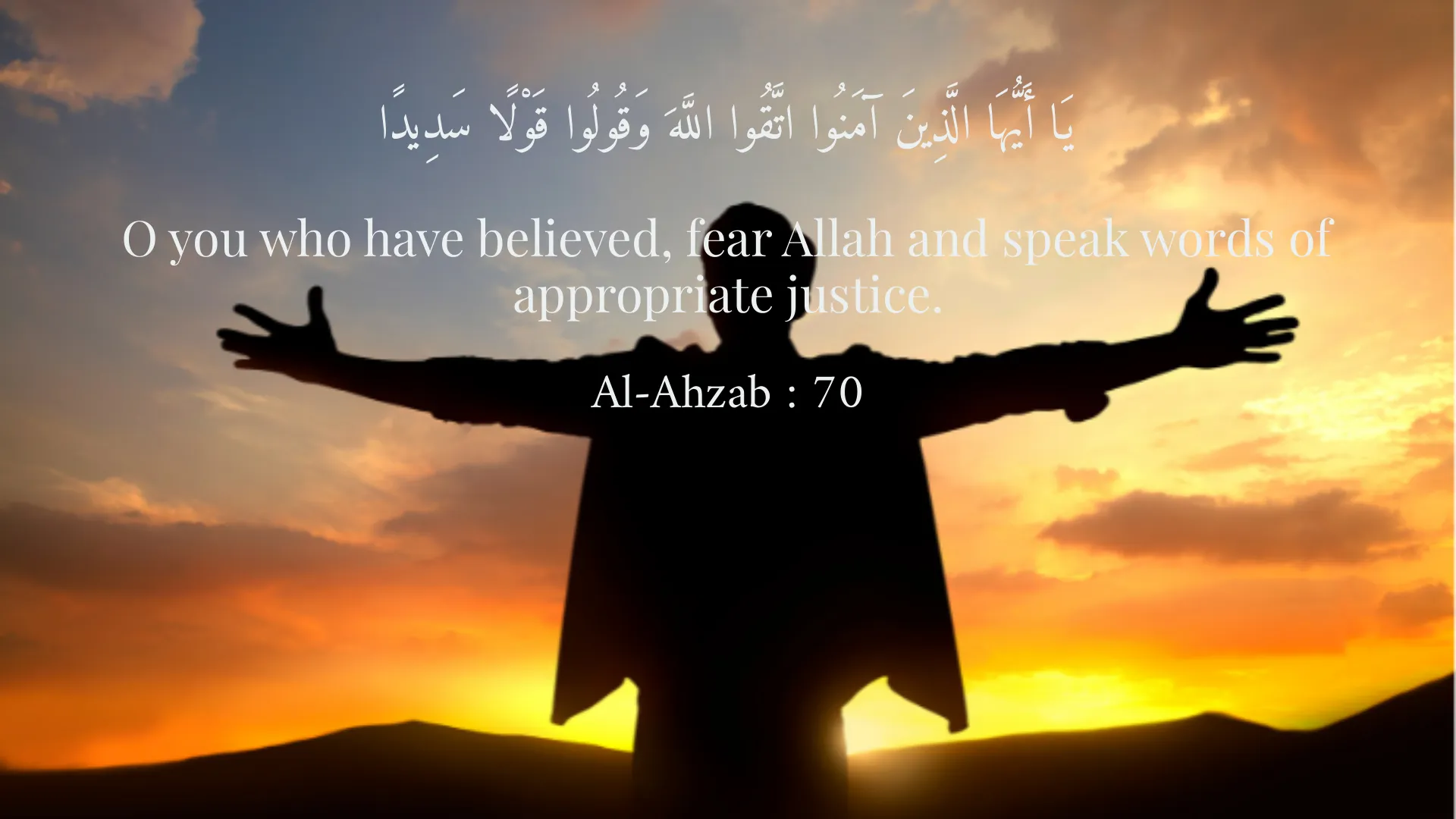
Leaders hold a pivotal role in any society, and their characteristics greatly influence the path toward progress, justice, and harmony. In the Holy Quran, the portrayal of leaders transcends mere superficial attributes; it delves deep into the moral fiber and spiritual essence of what it truly means to lead. The Quran serves as a guiding manual for those who aspire to leadership, outlining core principles that define effective and righteous leaders. In this comprehensive exploration, we will highlight the vital characteristics of leaders as portrayed in the Quran, focusing on honesty, rejection of corruption, spirit of consultation, self-confidence, kindness, and compassion. ### Honesty and Truthfulness: The Foundation of Leadership One of the most significant traits of a leader in the Quran is honesty and truthfulness. In Surah Al-Ahzab, verse 70, Allah commands: 'O you who have believed, fear Allah and speak words of appropriate justice.' This fundamental principle underscores the necessity for leaders to embody integrity in their words and actions. Honesty cultivates an environment of trust, which is crucial in maintaining positive relationships between leaders and their followers. A leader who is transparent creates a loyal following, whereas deception erodes confidence and undermines authority. Furthermore, truthfulness is not merely a characteristic but a commitment to uphold justice. Leaders are called to be fair in their dealings and uphold the rights of their followers. Such ethical guidance instills a sense of accountability and ensures that leaders are answerable to both their creator and their community. When a leader practices honesty, they inspire others to do the same, thereby fostering a culture of integrity. ### Rejection of Oppression and Corruption The Quran explicitly condemns corruption and the abuse of power. In Surah Al-Baqarah, verse 188, Allah instructs: 'And do not consume one another's wealth unjustly or send it [in bribery] to the rulers in order that [they might aid] you [to] consume a portion of the wealth of the people in sin, while you know [it is unlawful].' This verse highlights the dire consequences of corruption and serves as a powerful reminder for leaders to reject any form of unethical behavior. Leaders are expected to act with justice and fairness; they must not exploit their positions for personal gain. This rejection of corruption ensures that the welfare of the community is prioritized over individual desires. A leader who stands firmly against immobilizing systems of oppression fosters an environment where societal values flourish and justice prevails. ### The Spirit of Consultation: Valuing Collective Wisdom Leadership is not a solitary journey. The Quran emphasizes the importance of consultation, or 'Shura,' in decision-making. The Prophet Muhammad (PBUH) exemplified this characteristic, often seeking the opinions of his companions before arriving at decisions. This practice demonstrates that effective leaders value diverse perspectives and are willing to consider the advice of others. By encouraging consultation, leaders create a participatory approach that empowers others and strengthens communal bonds. It acknowledges the notion that wisdom is not limited to a single individual but can be enriched through collective insight. When followers feel heard in the decision-making process, they are more likely to feel valued and committed to the leader's vision. ### Self-Confidence: The Balance of Authority and Humility A good leader must possess self-confidence to make sound decisions, especially in challenging situations. However, this confidence should be balanced with humility and an understanding of one's limitations. Surah Al-Imran, verse 159, elucidates how the character of a leader affects those around them: 'So by mercy from Allah, [O Muhammad], you were lenient with them. And if you had been rude in speech and harsh in heart, they would have disbanded from about you.' This verse points to the importance of a leader's demeanor and how kindness and compassion can lead to cohesive unity among followers. Self-confidence allows leaders to navigate adversity and stand firm in the face of criticism; yet, it is essential for leaders to remain approachable and empathetic. A leader who blends authority with compassion creates a safe and supportive environment where followers are encouraged to express their thoughts and ideas, fostering a culture of collaboration. ### Kindness and Compassion: The Human Element of Leadership Kindness and compassion are profound traits that are often overlooked when discussing leadership. Yet, they are paramount qualities that define successful leaders. The Quran consistently emphasizes the human aspect of leadership, reminding leaders that they must connect with their followers on a personal level. When leaders demonstrate kindness, it facilitates trust and loyalty among their followers. Compassion allows leaders to relate to the struggles and challenges faced by their people, which can drive motivation and resolve. Therefore, engaging with followers in a compassionate manner not only strengthens the leader-follower relationship but also promotes a culture of empathy and understanding. ### Conclusion: A Comprehensive Guide to Leadership In summary, the Quran presents a comprehensive guide to the qualities of effective leadership. Honesty and truthfulness, the rejection of oppression and corruption, a spirit of consultation, self-confidence, and kindness are essential traits that shape a righteous leader. Understanding and embodying these characteristics fosters trust, respect, and unity within communities, ultimately leading toward societal progress. As we reflect on the attributes of leaders as illustrated in the Quran, it becomes evident that true leadership transcends traditional authority. It is about inspiring others through ethical conduct, valuing diverse perspectives, and treating individuals with kindness and compassion. Embracing these values leads not only to effective governance but also to the creation of harmonious societies rooted in justice and truth.
Related Verses
يَا أَيُّهَا الَّذِينَ آمَنُوا اتَّقُوا اللَّهَ وَقُولُوا قَوْلًا سَدِيدًا
O you who have believed, fear Allah and speak words of appropriate justice.
Al-Ahzab : 70
وَلَا تَأْكُلُوا أَمْوَالَكُمْ بَيْنَكُمْ بِالْبَاطِلِ وَلَا تُدْلُوا بِهَا إِلَى الْحُكَّامِ لِتَأْكُلُوا فَرِيقًا مِّنْ أَمْوَالِ النَّاسِ بِالْإِثْمِ وَأَنتُمْ تَعْلَمُونَ
And do not consume one another's wealth unjustly or send it [in bribery] to the rulers in order that [they might aid] you [to] consume a portion of the wealth of the people in sin, while you know [it is unlawful].
Al-Baqarah : 188
فَبِمَا رَحْمَةٍ مِّنَ اللّٰهِ لِنْتَ لَهُمْ وَلَو كُنتَ فَظًّا غَلِيظَ الْقَلْبِ لَانْفَضُّوا مِنْ حَوْلِكَ.
So by mercy from Allah, [O Muhammad], you were lenient with them. And if you had been rude in speech and harsh in heart, they would have disbanded from about you.
Al-Imran : 159
Short Story
Once upon a time, there was a man named Salim who was recognized as a leader in his tribe. He always valued the consultation of others and listened to their words carefully. One day, some members of the tribe asked him to pay more attention to their feelings and needs in crucial decisions. Salim listened to their concerns and after some thought, he realized he needed to focus more on honesty and kindness in his leadership. Consequently, because of these lessons, the life of his tribe improved, and they found happiness together.