Quranic Answer
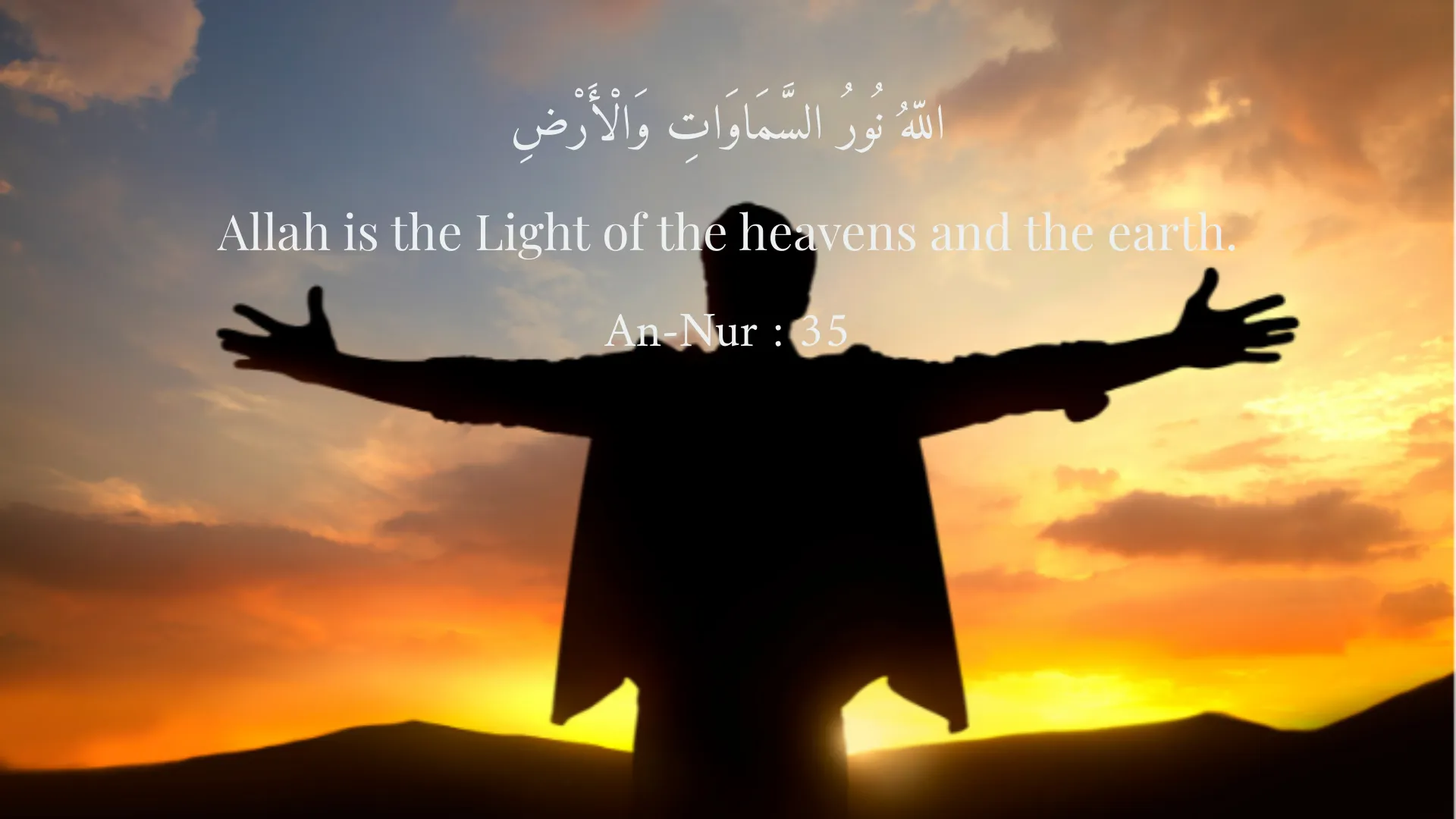
The Holy Quran, regarded as the word of God in Islam, contains profound wisdom and guidance for the lives of its followers. One of the most compelling symbols found within its verses is that of 'light.' The Quran employs the concept of light as a powerful metaphor for guidance, knowledge, truth, and enlightenment. In this article, we will delve deeper into the multifaceted representation of light in the Quran, its implications for individual lives, and the broader impact on society. To initiate our exploration, we look at Surah An-Nur, verse 35, which eloquently states, 'Allah is the Light of the heavens and the earth.' This profound declaration underscores the understanding that God is not just a source of physical light but, more importantly, the ultimate origin of moral, spiritual, and intellectual illumination. In this manner, the Quran establishes that God embodies the essence of guidance that permeates both the cosmos and the lives of human beings. Recognizing this divine characteristic invites followers to seek illumination and direction in their personal lives. The symbolism of light extends beyond mere physical imagery; it parallels knowledge and the correct comprehension of the truths of existence. In the metaphorical sense, light allows individuals to navigate the often confusing terrains of life. The Quran illustrates life as a journey fraught with darkness, ignorance, and moral ambiguity. In this regard, light serves as a divine compass that helps individuals discern right from wrong, truth from falsehood, and ultimately, righteousness from sin. In Surah Al-Ma'idah, verse 15, the Quran further reinforces this theme by stating, 'There has come to you from Allah a Light and a clear Book.' This illustrates the intimate connection between divine revelation and the role of the Quran as a source of clarity and guidance. The 'clear Book' mentioned refers to the Quran itself, which serves not only as a guide but also as an embodiment of divine wisdom. The notion that divine light accompanies this sacred text highlights the importance of both pursuing knowledge and acting in accordance with that knowledge. Such illumination is both spiritual and ethical, provoking its followers to distance themselves from evils and base desires that can lead to moral deterioration. In many verses, the Quran emphasizes the need for individuals to reflect upon their actions and the consequences of those actions. Guided by divine light, individuals are encouraged to cultivate virtue, strive for goodness, and foster a conscious awareness of their responsibilities to both themselves and others. Moreover, light in the Quran emphasizes community and society. The illumination one receives is not merely a personal journey but a communal one as well. When individuals embody the qualities associated with divine light—like wisdom, compassion, and integrity—they contribute positively to their communities, encouraging societal growth and justice. Differently put, as individuals become enlightened, they have the potential to illuminate the lives of others around them. Interestingly, the Quran also highlights the opposition to this divine illumination, often depicting ignorance and misdeeds as darkness. This contrast is important as it serves to remind believers of the allure of worldly distractions, temptations, and the easy paths of moral compromise. The struggle against these forms of darkness is a central theme in the Quran. It instills a sense of urgency in its followers to seek the light that can drive away the shadows, emphasizing that moral fortitude is necessary for both personal development and collective well-being. In this context, utilizing the metaphor of light urges believers to remain vigilant and proactive in their pursuit of knowledge, righteousness, and justice. Each individual is called to harness the divine guidance they receive to positively influence their environments, becoming agents of change within their communities. This does not only mean following the path of righteousness themselves but also assisting others in their journey toward enlightenment. Furthermore, the Quran’s portrayal of light serves to unite the individual with their Creator. This relationship invites believers to acknowledge their dependence on God’s guidance while promoting a conscious engagement with faith. By understanding that they are recipients of divine light, individuals are reminded of their responsibilities to act in harmony with divine will, creating a profound connection between humanity and the divine. The necessity to apply this light in everyday lives highlights the practical implications of spiritual teachings found in the Quran. Faith and knowledge, when combined with action, have the possibility to change lives and impact communities. The application of divine principles not only uplifts individual spirits but can spark a profound transformation within society. This collective upliftment is critical for the emergence of just, prosperous, and harmonious communities where individuals are motivated by goodwill, moral values, and a genuine understanding of their shared humanity. In conclusion, the concept of light in the Quran is a complex and multifaceted symbol representing guidance, knowledge, truth, and community. As articulated through various verses, light encompasses spiritual illumination that directs individual lives and fosters moral growth. The Quran encourages its believers to reflect upon the nature of divine light, actively seek knowledge, and embody virtues that uplift their communities. In doing so, followers not only enhance their personal lives but contribute to a broader societal transformation rooted in justice and compassion. Ultimately, the call to embrace this divine light resonates beyond the pages of the Quran—it signifies a journey that invites believers to illuminate the world around them, moving closer to the Creator and fostering a collective atmosphere of peace and understanding.
Related Verses
اللّهُ نُورُ السَّمَاوَاتِ وَالْأَرْضِ
Allah is the Light of the heavens and the earth.
An-Nur : 35
قد جائكم من الله نور وكتاب مبين
There has come to you from Allah a Light and a clear Book.
Al-Ma'idah : 15
Short Story
One day in a small town, a young man named Amir was searching for the meaning of life and a way to illuminate his heart. He approached a wise teacher and asked, 'How can I live a better life?' The teacher replied, 'The light of God exists in your heart; all you need is to pay attention to the verses of the Quran and gain guidance from them. Learn to illuminate your life with knowledge and understanding.' Amir decided to read a few verses of the Quran daily and ponder over their meanings. Soon, he realized that divine light was not only in the book but also in his heart and in his connection with God. With this understanding, his life transformed, leading him to peace and happiness.