Quranic Answer
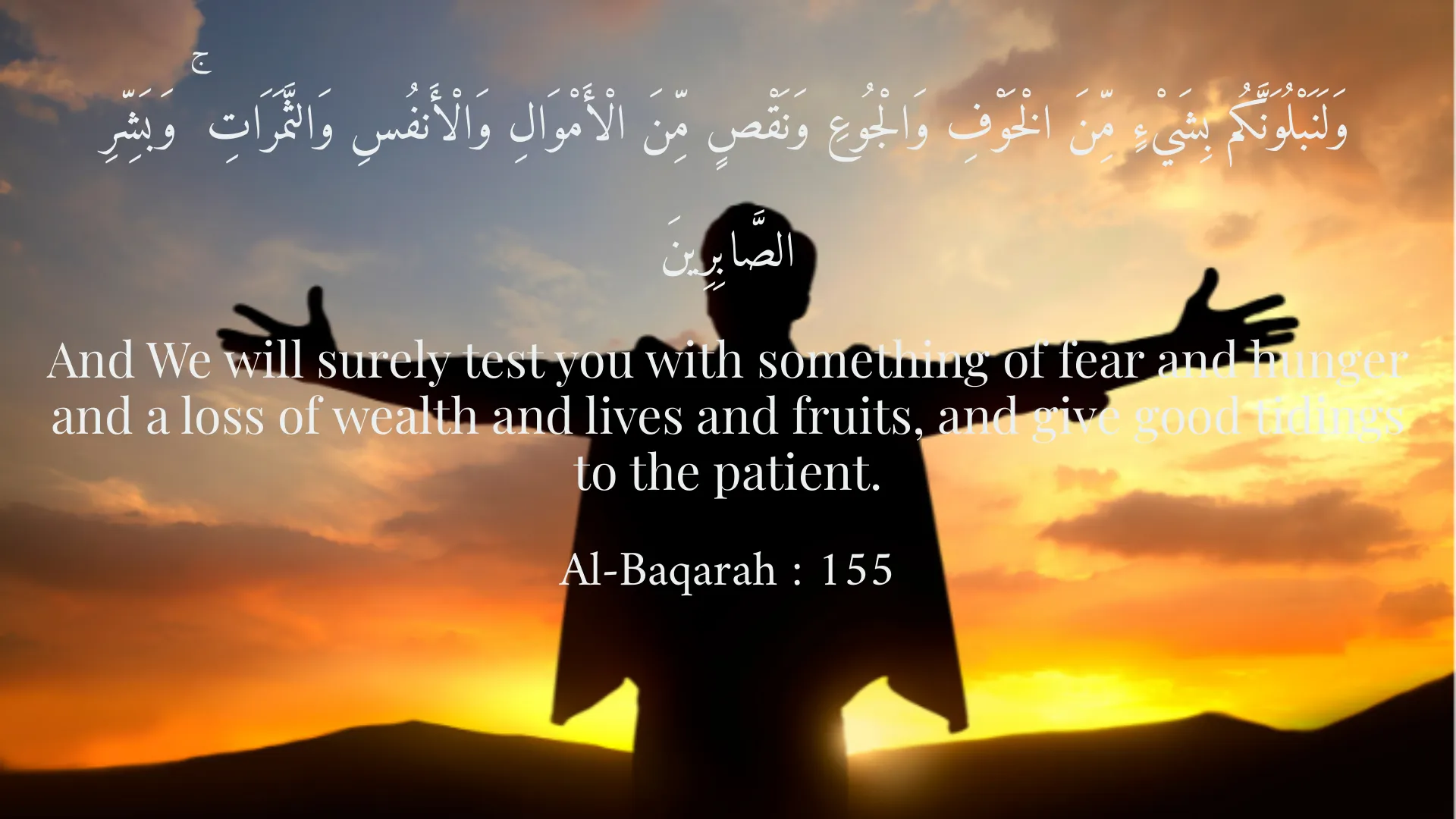
The concept of 'fitna' found within the Holy Quran is a multifaceted term that encompasses a variety of meanings, but primarily refers to trials, tribulations, or afflictions faced by believers. Fitna, in Arabic, denotes a test or trial, one that often serves to evaluate faith and dedication to Allah. This essay undertakes to explore the significance of fitna in the Quran, underlining its various manifestations and implications in the lives of believers, while examining its relevance in contemporary society. The Quran defines the nature of life as a path fraught with challenges. In Surah Al-Baqarah, verse 155, Allah proclaims: 'And We will surely test you with something of fear and hunger and a loss of wealth and lives and fruits, and give good tidings to the patient.' This verse captures the essence of fitna as an integral part of existence, serving to test individuals on multiple levels—be it emotional, physical, or spiritual. The verse clearly communicates that trials are expected in life, establishing a framework within which believers are encouraged to exhibit patience and resilience in the face of adversity. This invitation to patience is remarkable, as it suggests that rather than viewing challenges as mere obstacles, one should embrace them as opportunities for spiritual growth and development. Thus, trials become intrinsic catalysts for strengthening one’s faith and cultivating virtue. Furthermore, this notion is reinforced in Surah Al-Imran, verse 186, where Allah states, 'You will surely hear from those who were given the Scripture before you and from those who associate others with Allah much abuse. But if you are patient and fear Allah - indeed, that is of the matters [requiring] determination.' This verse reveals that believers could encounter various forms of verbal and social abuse from non-believers and those who equate others with Allah. In the face of such challenges, the call for patience and piety is reiterated. The context of the verse highlights that trials are not only external but also extend into the realms of social interaction and communal relationships. Here, believers are reminded of their responsibilities towards one another, encouraging unity and communal reinforcement in times of tribulation. The social dimension of fitna offers insight into how divisions and hypocrisy can emerge within communities facing trials. The diverse applications of fitna may present themselves as religious, social, or economic tribulations. Social fitna, for instance, can engender discord among believers, leading to fragmentation within the community. This is underscored in Surah Muhammad, verse 30, which states: 'And when you see those who engage in [false] discourse concerning Our verses, turn away from them until they engage in another topic.' This teaching emphasizes the need for discernment and moral fortitude when faced with misinformation or malicious discourse. In the pursuit of truth and guidance, believers are summoned to distance themselves from divisive conversations, reinforcing the necessity for spiritual vigilance in the quest for unity and integrity among the Ummah (Muslim community). Moreover, fitna also has implications beyond personal trials; it extends into broader social, political, and economic realms. Economic fitna can manifest through financial hardship, which serves as a test of one’s reliance on Allah and ability to navigate life’s necessities while maintaining faith. To face economic difficulties with trust in Allah is to acknowledge His sovereignty over one’s provisions, reinforcing a sense of humility and gratitude. Similarly, political fitna can arise when governance and power are used irresponsibly, thus testing the faith of citizens in their leaders and institutions. In modern times, many are faced with these multifaceted challenges, leading to the question of how fitna can be understood in the contemporary context. In a world riddled with division fueled by misinformation, socio-political strife, and rampant individualism, the lessons from the concept of fitna become profoundly relevant. They remind us that trials are not merely inconveniences but significant milestones on the pathway of faith. Believers today are encouraged to implement patience and deep-rooted faith amidst chaos, treating challenges as opportunities to refine their character and strengthen their resolve. Additionally, fitna serves as a reminder that while challenges are inevitable, how we face them is pivotal. The Quran advocates for nurturing a strong commitment to communal unity and support; a collective endeavor that enhances the resilience of the entire community rather than the individual alone. In conclusion, the Quran’s conceptualization of fitna encompasses a powerful narrative that resonates profoundly through the trials, tribulations, and hardships that individuals and communities face. Fitna serves as both a vital test of faith and a caution regarding the social and spiritual pitfalls that can arise. Whether manifested in personal, social, or economic dimensions, the trials faced by believers demand patience, endurance, and piety. The journey through these challenges is ultimately transformational, serving both as an examination of faith and an opportunity for spiritual growth. As such, engaging with the concept of fitna becomes not just an exploration of trials but a robust framework for understanding the complexities of faith and community resilience in a rapidly changing world.
Related Verses
وَلَنَبْلُوَنَّكُم بِشَيْءٍ مِّنَ الْخَوْفِ وَالْجُوعِ وَنَقْصٍ مِّنَ الْأَمْوَالِ وَالْأَنفُسِ وَالثَّمَرَاتِ ۚ وَبَشِّرِ الصَّابِرِينَ
And We will surely test you with something of fear and hunger and a loss of wealth and lives and fruits, and give good tidings to the patient.
Al-Baqarah : 155
وَلَتَسْمَعُنَّ مِنَ الَّذِينَ أُوتُوا الْكِتَابَ مِن قَبْلِكُمْ وَمِنَ الَّذِينَ أَشْرَكُوا أَذًى كَثِيرًا ۖ وَإِن تَصْبِرُوا وَتَتَّقُوا فَإِنَّ ذَٰلِكَ مِنْ عَزْمِ الْأُمُورِ
You will surely hear from those who were given the Scripture before you and from those who associate others with Allah much abuse. But if you are patient and fear Allah - indeed, that is of the matters [requiring] determination.
Al-Imran : 186
وَإِذَا رَأَيْتَ الَّذِينَ يَخُوضُونَ فِي آيَاتِنَا فَأَعرِضْ عَنْهُمْ حَتَّى يَخُوضُوا فِي حَدِيثٍ غَيْرِهِ
And when you see those who engage in [false] discourse concerning Our verses, turn away from them until they engage in another topic.
Muhammad : 30
Short Story
Once, a man named Ali found himself amidst social and economic crises. He realized that fitnas had made his life unbearable and he was undergoing tough experiences. One day, he conversed with a scholar who reminded him that fitnas are merely tools for God's testing and examination. Ali's heart became calm, and he decided to respond to these challenges with patience and faith in Allah. He understood that in tough times, remembering Allah and patience would eliminate fitnas, and from that day forward, he was able to live his life with enthusiasm and hope.