Quranic Answer
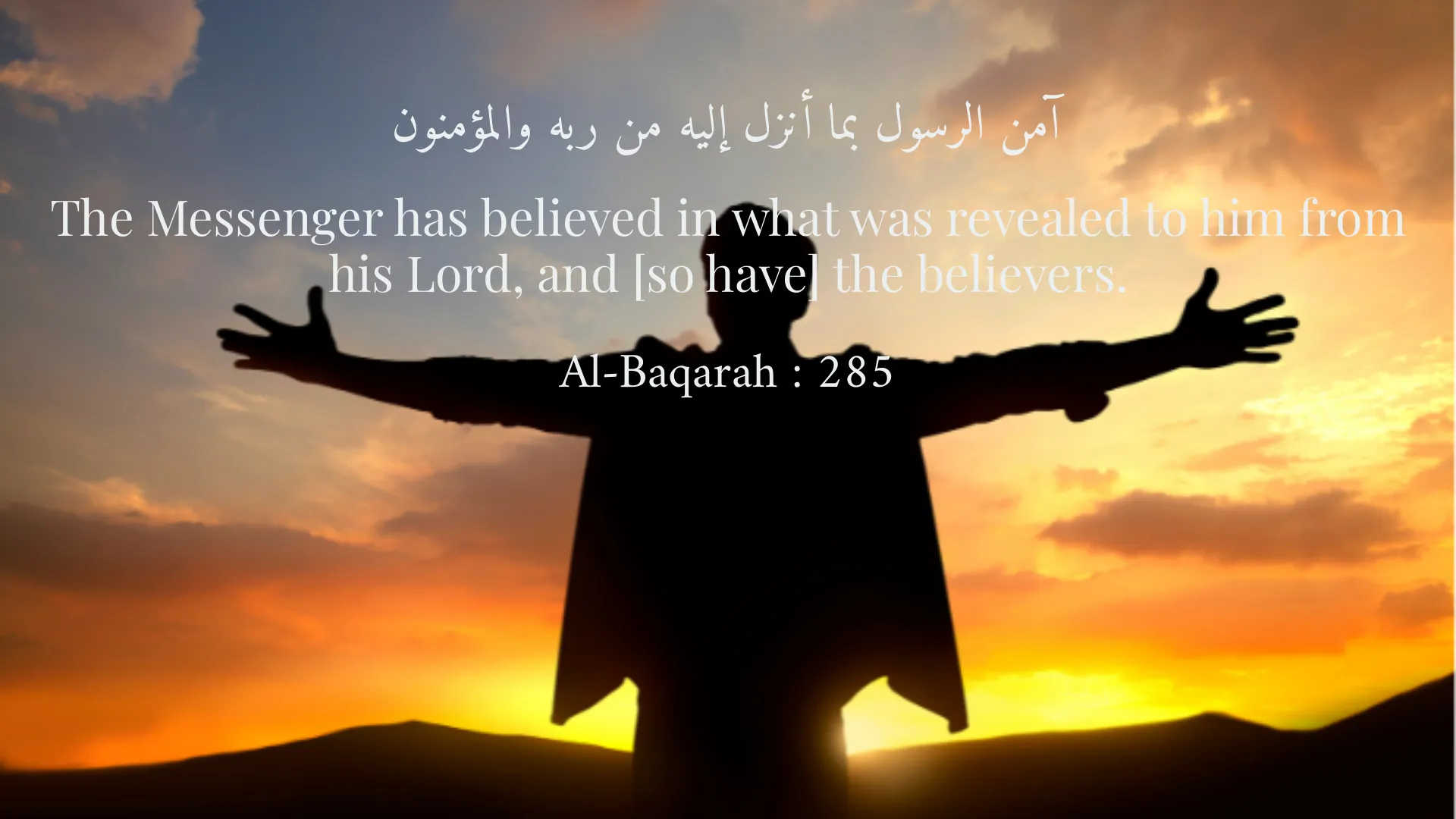
Faith and belief are two fundamental concepts that permeate not only Islamic culture but also various religions and philosophies worldwide. While often used interchangeably in everyday conversation, they possess distinct meanings and implications, particularly within the context of Islam. Understanding the nuances between faith, or 'Iman' in Arabic, and belief, referred to as 'Aqeedah,' is essential for grasping the depth of spiritual conviction and commitment that individuals can experience. This article aims to delve deeper into these two concepts, exploring their significance in the Islamic tradition and how they guide the lives of those who adhere to this faith. In Islamic theology, faith (Iman) is defined as a conscious awareness and unwavering conviction in the truths of Islam. It is not merely an abstract understanding but a profound internalization of one's beliefs that manifests in daily actions and interactions. A believer, or 'mu'min,' is someone who holds genuine certainty in their heart regarding the existence of Allah, the Prophets, the heavenly scriptures, angels, and the truths of the afterlife. This belief leads to a lifestyle that reflects these convictions in terms of ethical conduct, social justice, and personal responsibility. Surah Al-Baqarah, verse 285 of the Holy Quran highlights the essence of faith: 'The Messenger has believed in what was revealed to him from his Lord, and [so have] the believers.' This verse emphasizes the collective acknowledgment and embrace of divine revelations by the Prophet Muhammad and his followers. The faith embodied in this verse signifies a unity of belief that transcends mere acknowledgment; it speaks to a relational commitment between the believer and the divine. In contrast, belief (Aqeedah) pertains more to a cognitive or theoretical acceptance of specific ideas and doctrines. While it is indeed vital to have an understanding of key Islamic principles—such as monotheism, the prophethood of Muhammad, and the importance of the Quran—these beliefs may not always translate into action. A person may profess to believe in certain concepts without necessarily embedding these into their life choices or behaviors. This distinction raises important considerations about the nature of belief and the extent to which it influences one’s life. For instance, a person may accept the fundamental tenets of Islam intellectually, yet remain disconnected from the active practice of their faith, which includes prayer, charity, and community involvement. Consequently, faith is often viewed as a higher state compared to belief. This is because faith is imbued with deep emotional and heartfelt conviction that drives individuals to act in accordance with their beliefs. A striking illustration of the relationship between faith and challenges can be found in Surah Al-Imran, verse 173: 'The ones to whom the people said, 'Indeed, the people have gathered against you, so fear them.' But it increased them in faith.' This verse poignantly reflects the notion that, instead of succumbing to fear when faced with adversity, true believers find their faith fortified. This dynamic showcases faith as an active, living force that not only provides strength in difficult times but also serves to deepen one's connection to the divine. The interplay between faith and belief extends beyond personal awareness and actions; it also influences one’s relationship with the broader community. A believer motivated by faith is more likely to engage in acts that promote social cohesion, compassion, and justice. The Quran encourages believers to embody their faith through communal activities that reflect the ethical imperatives of Islam. Accordingly, this includes supporting those in need, promoting peace, and pursuing justice in social relations. Furthermore, faith has the potential to transform an individual's worldview. When anchored in strong faith, a believer perceives life through a spiritual lens, recognizing the interconnectedness of existence and the divine plan that governs it. This perspective fosters resilience and trust in Allah’s wisdom, encouraging individuals to navigate both the high and low points of their lives with equanimity. Islamic teachings underscore the importance of nurturing one's faith through regular practices. In this regard, prayer (Salah), fasting (Sawm), and acts of charity (Zakat) are cornerstones that cultivate inner belief and strengthen one’s connection to Allah. Fostering a robust spiritual life enhances conviction and reinforces the framework within which a believer operates. The ritualistic expressions of faith serve to remind individuals of their commitments, not only to the divine but also to their community and themselves. Moreover, faith in Islam emphasizes personal accountability and moral integrity. Believers are called to reflect on their intentions and actions continuously, resulting in a life guided by ethical principles that align with their faith. This active engagement with one’s beliefs ensures that faith permeates all aspects of life, influencing one's character, habits, and relationships. In conclusion, faith and belief are intertwined concepts that play invaluable roles in the spiritual lives of believers. While belief can be seen as a mental agreement with specific doctrines, faith transcends mere acknowledgment, requiring deep internal conviction that manifests in action and behavior. In Islamic culture, the richness of faith (Iman) fosters a community grounded in ethical imperatives and unwavering resolve, enabling believers to confront the trials of life with resilience and hope. This distinction between Iman and Aqeedah underscores the profound depth and breadth of one’s spiritual journey, emphasizing that true faith is not just about what one believes, but also about how one embodies those beliefs through actions and attitudes in the world.
Related Verses
آمن الرسول بما أنزل إليه من ربه والمؤمنون
The Messenger has believed in what was revealed to him from his Lord, and [so have] the believers.
Al-Baqarah : 285
الذين قال لهم الناس إن الناس قد جمعوا لكم فاخشوهم فزادهم إيماناً
The ones to whom the people said, 'Indeed, the people have gathered against you, so fear them.' But it increased them in faith.
Al-Imran : 173
Short Story
One day, a man named Hossein was strolling in a library dedicated to religious books. While reading a verse from the Quran that mentioned the relationship between faith and action, he realized that his life needed a change. He decided to seek a deeper faith rather than merely accepting thoughts and beliefs, and to act upon them. With this shift in his way of life, he found a greater sense of peace and happiness.