Quranic Answer
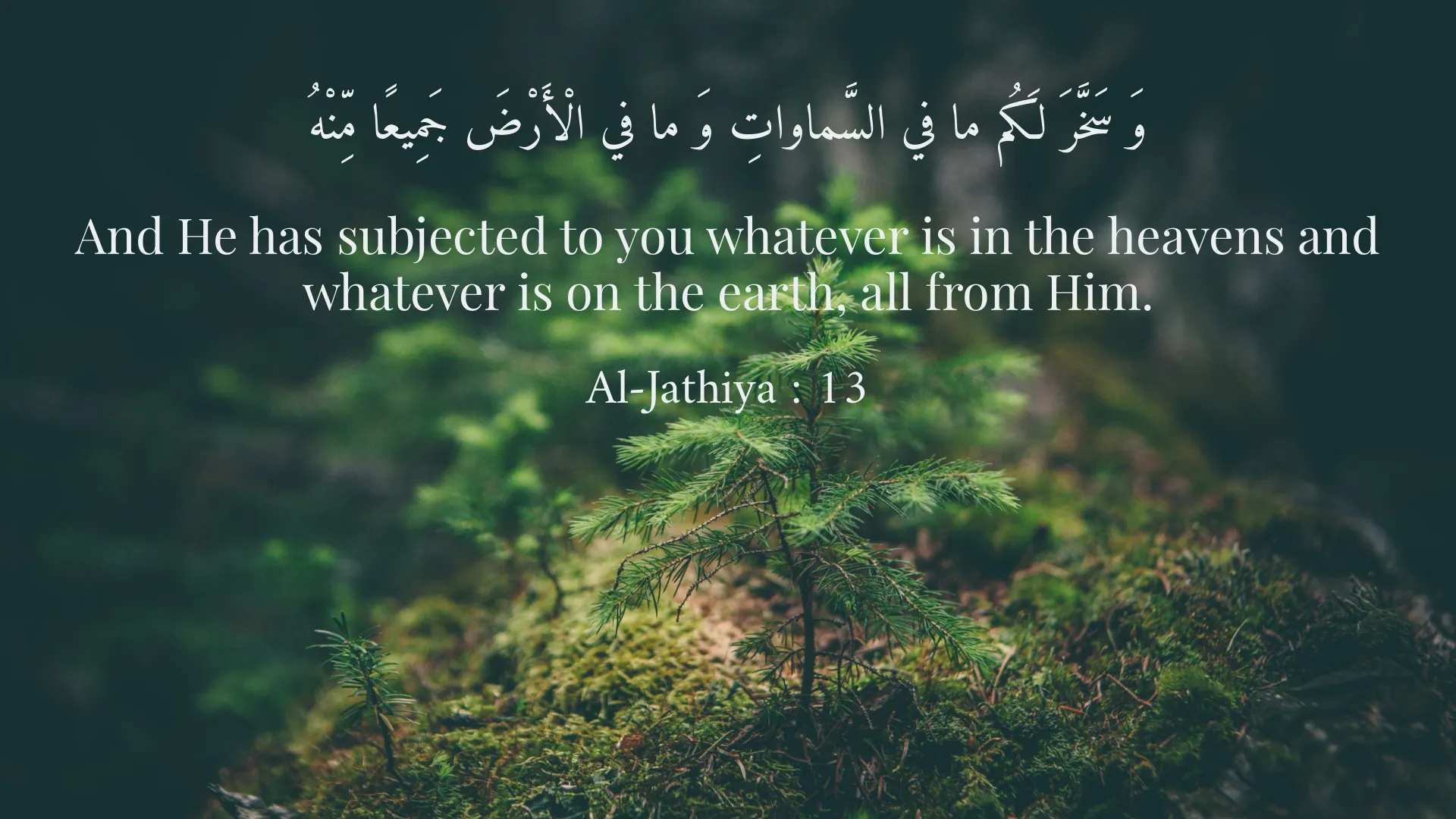
In the Holy Quran, knowledge and wisdom are two fundamental concepts that are intricately woven into the fabric of human existence, significantly influencing behavior and decision-making. Knowledge, in its essence, is the recognition and understanding of truths, as well as the natural and social laws that govern the universe. Within the Quranic context, knowledge is celebrated as one of the greatest divine blessings bestowed upon humanity. In Surah Al-Jathiya, verse 13, Allah states, 'And He has subjected to you whatever is in the heavens and whatever is on the earth, all from Him.' This profound verse emphasizes the divine gifts that have been granted to humankind, of which knowledge is a paramount feature. It serves as a reminder that our capacity to learn and understand the world around us is a manifestation of God's generosity. Knowledge opens doors to understanding complex realities, bridging the gap between mere existence and meaningful living. By acquiring knowledge, individuals can relate more profoundly to their environment, appreciate the intricacies of nature, and comprehend the dynamics of social interactions. The Quran encourages mankind to seek knowledge as an imperative duty, emphasizing its role in fostering intellectual growth, critical thinking, and the pursuit of truth. However, knowledge alone is not sufficient for a fulfilling life. Wisdom, which can be defined as the ability to apply knowledge judiciously and practically in various life situations, plays an equally crucial role. Wisdom encompasses the capability to discern right from wrong and to make thoughtful decisions that align with ethical and moral principles. It involves understanding contexts, recognizing consequences, and appreciating the complexities of human behavior and emotions. In Surah Al-Baqarah, verse 269, Allah mentions, 'He gives wisdom to whom He wills,' illustrating that wisdom, like knowledge, is a divine gift. This verse serves as a reminder that while knowledge can be acquired through study and experience, wisdom is bestowed by God and is often found in those who have humility, patience, and insight. It indicates that wisdom is not merely an accumulation of information but a deeper understanding of the human experience and the world. The relationship between knowledge and wisdom can be described as mutually reinforcing. Knowledge lays the foundation upon which wisdom can build. Through learning, individuals gather facts, figures, and theories that inform their understanding. Yet, without the application of wisdom, knowledge may remain abstract or misapplied. For instance, a person may possess vast knowledge of various subjects but may lack the moral framework or experiential insight to apply that knowledge ethically, leading to misguided actions. Wisdom requires a reflective process, often involving critical thinking and self-evaluation. It prompts individuals to ask pertinent questions about their knowledge: How can this information be used for the greater good? What are the potential consequences of my actions? Am I considering the feelings and perspectives of others? This introspective approach is essential, as it transforms knowledge from a passive collection of information into an active tool for positive living. The Quran places great importance on the integration of knowledge and wisdom as critical components for personal development and societal harmony. In several verses, Allah encourages believers to engage in learning and to reflect upon the signs in the universe, thereby stimulating both intellectual curiosity and moral responsibility. Moreover, the pursuit of knowledge and wisdom is not limited to religious or spiritual matters; it extends to all domains of life. From scientific advancements to social justice, the application of both knowledge and wisdom is crucial in navigating challenges and making informed decisions that benefit humanity. Knowledge empowers us to understand the mechanics of the world, while wisdom provides the moral compass needed to operate within it. In contemporary society, the distinction between knowledge and wisdom has never been more vital. In an age characterized by information overload, distinguishing between mere data and meaningful insights is crucial. The internet and digital platforms have democratized access to information, yet this wealth of data often leads to confusion and misinformation. In such an environment, the ability to apply wisdom becomes more essential than ever; discerning reliable information, critically evaluating sources, and understanding the implications of one's actions are skills that must be honed alongside the acquisition of knowledge. Education systems worldwide are increasingly recognizing the need to foster not only knowledge acquisition but also the development of wisdom among students. This involves creating curricula that encourage critical thinking, ethical reasoning, and emotional intelligence. By integrating wisdom into educational practices, future generations will be better equipped to face the complexities of life, making them more capable of contributing positively to society. In conclusion, knowledge and wisdom are interdependent concepts that play a pivotal role in human life and behavior as described in the Holy Quran. Knowledge serves as the foundation for understanding the truths of existence, while wisdom guides us in applying that knowledge ethically and meaningfully. Both are divine gifts, and their integration is essential for personal fulfillment and societal progress. As we continue to navigate the complexities of modern life, recognizing the importance of cultivating both knowledge and wisdom will empower us to make informed decisions that align with our values and contribute to the greater good.
Related Verses
وَ سَخَّرَ لَكُم ما في السَّماواتِ وَ ما في الْأَرْضَ جَمِيعًا مِّنْهُ
And He has subjected to you whatever is in the heavens and whatever is on the earth, all from Him.
Al-Jathiya : 13
يُؤْتِي الْحِكْمَةَ مَن يَشاءُ
He gives wisdom to whom He wills.
Al-Baqarah : 269
Short Story
In a distant time, a man named Hikmat lived in a small village. He used his knowledge to help the villagers overcome their difficulties. One day, a young man from the village asked him, 'How can I become a wise person?' Hikmat replied, 'By learning knowledge and then applying it in your daily life.' From that day on, the young man decided not only to learn but also to add to his wisdom and help others.