Quranic Answer
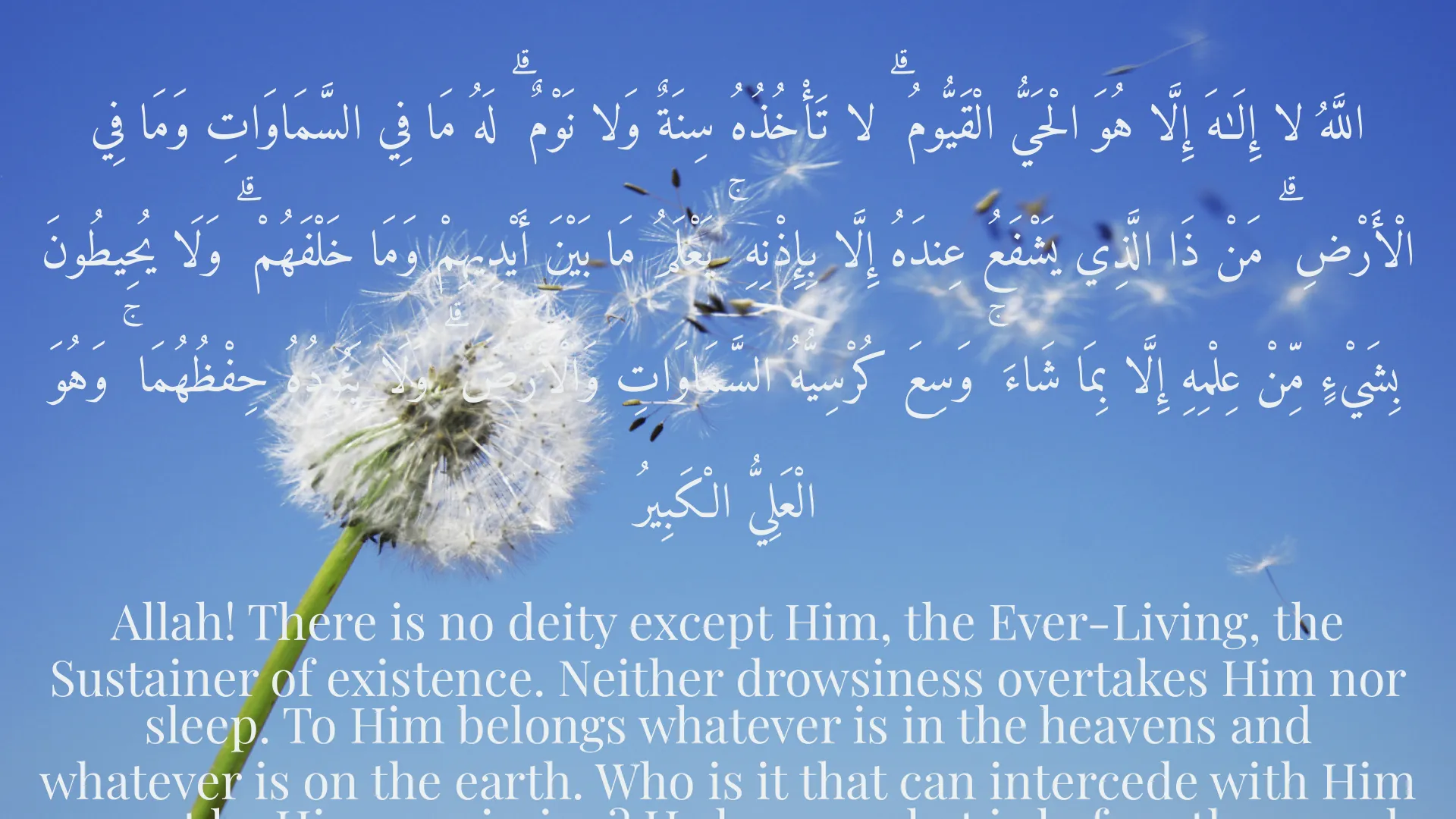
The Greatest Name in Islamic belief, often referred to as 'Al-ism al-Azhm', holds a significant position among the various names and attributes of God in Islam. This concept has intrigued scholars, theologians, and laypersons alike, leading to extensive discussions and interpretations throughout Islamic history. In various religious texts, particularly those focusing on commentary, many seek to elucidate the meaning and implications of this name. Despite its prominence, it is notable that there are no specific verses in the Quran that explicitly mention the Greatest Name; rather, it emerges through a deeper understanding of the divine attributes of God. To grasp the essence of the Greatest Name, one must delve into the multifaceted nature of God as presented in the Quran. One pivotal verse that touches upon this theme is verse 255 of Surah Al-Baqarah, known as Ayat al-Kursi. This verse is revered for its comprehensive description of Allah's characteristics, encapsulating His power, knowledge, and infinite wisdom. The significance of Ayat al-Kursi lies not only in its theological implications but also in its spiritual power. It serves as an acknowledgment of God’s omnipotence and omniscience, framing the context within which believers might seek to understand the Greatest Name. Moreover, the prophetic tradition plays a vital role in illuminating the importance of invoking God through His various names. Numerous hadiths recount instances where Prophet Muhammad (peace be upon him) would call upon Allah using different names during his prayers and supplications. These traditions underscore the significance of recognizing God’s attributes, as they serve to deepen one's relationship with the Divine. By calling upon God through His names, believers are reminded of the encompassing nature of God’s mercy, power, and wisdom, thus enhancing their supplication's effectiveness. It is essential to acknowledge that while the Quran does not explicitly name what constitutes the Greatest Name, the understanding can be cultivated through meditation on God’s many attributes. Each name of God within Islam reflects a specific aspect of His existence and perfect qualities. For instance, names such as Al-Rahman (The Most Merciful), Al-Rahim (The Most Compassionate), Al-Malik (The King), and Al-Quddus (The Most Sacred) are not merely titles but are foundational to a believer's understanding of who God is and how He interacts with creation. The very act of remembering these names—known as 'dhikr'—is an essential practice in Islamic spirituality. It fosters a consciousness of God in the heart and mind of the believer, leading to a stronger faith and a more profound connection with the Creator. By reflecting on these names and their meanings, a Muslim can develop a deeper appreciation for the Divine’s attributes and their interconnectedness. This reflective practice reinforces the notion that God is not distant but is actively present in the lives of believers. The concept of the Greatest Name also carries implications for personal development and spiritual growth. Engaging with the names of God can lead to a transformative experience, where a believer embarks on a journey of self-discovery and improvement. By understanding qualities such as compassion, justice, and mercy as epitomized in God's names, believers are encouraged to embody these characteristics in their own lives. This mirroring of divine attributes not only benefits the individual but also enhances the community, promoting values of empathy, understanding, and social responsibility. Furthermore, many scholars have examined various methodologies to ascertain which name might be considered the Greatest. In their explorations, some suggest that it could be one of the names that encompass God's essence, such as 'Allah' itself. Others propose that it could be specific names that evoke a sense of urgency and need in supplication, as they reflect the mercy and creativity of God. Through such discussions, the quest to identify the Greatest Name becomes a collective spiritual endeavor that unites believers in seeking to understand their faith more profoundly. In light of these perspectives, it is evident that the search for the Greatest Name is less about pinpointing a particular designation and more about developing a deeper relationship with God through His attributes. This understanding encourages a more profound engagement with the Quran and the teachings of Prophet Muhammad (peace be upon him). As Muslims strive to embody these divine qualities, their prayers and supplications take on greater meaning, transforming an ordinary interaction with God into a profound spiritual experience. In summary, the concept of the Greatest Name in Islamic belief is multifaceted and deeply rooted in the exploration of God's attributes. While it is not explicitly mentioned in the Quran, the essence of this name is revealed through contemplation and understanding of God's characteristics as expressed throughout Islamic texts. The significance of Ayat al-Kursi and the teachings of Prophet Muhammad (peace be upon him) further underscore the importance of invoking God's names in supplication. Ultimately, the quest for the Greatest Name transcends mere identification; it is about nurturing an intimate relationship with the Divine through the recognition and embodiment of His virtues. Muslims are encouraged to pay special attention to the names of God, embracing their meanings and allowing them to guide their lives, shaping their identities as believers committed to reflecting the attributes of their Creator.
Related Verses
اللَّهُ لا إِلَٰهَ إِلَّا هُوَ الْحَيُّ الْقَيُّومُ ۗ لا تَأْخُذُهُ سِنَةٌ وَلا نَوْمٌ ۗ لَهُ مَا فِي السَّمَاوَاتِ وَمَا فِي الْأَرْضِ ۗ مَنْ ذَا الَّذِي يَشْفَعُ عِندَهُ إِلَّا بِإِذْنِهِ ۚ يَعْلَمُ مَا بَيْنَ أَيْدِيهِمْ وَمَا خَلْفَهُمْ ۗ وَلَا يُحِيطُونَ بِشَيْءٍ مِّنْ عِلْمِهِ إِلَّا بِمَا شَاءَ ۚ وَسِعَ كُرْسِيُّهُ السَّمَاوَاتِ وَالْأَرْضَ ۗ وَلَا يَئُودُهُ حِفْظُهُمَا ۚ وَهُوَ الْعَلِيُّ الْكَبِيرُ
Allah! There is no deity except Him, the Ever-Living, the Sustainer of existence. Neither drowsiness overtakes Him nor sleep. To Him belongs whatever is in the heavens and whatever is on the earth. Who is it that can intercede with Him except by His permission? He knows what is before them and what will be after them, and they encompass not a thing of His knowledge except for what He wills. His Kursi extends over the heavens and the earth, and their preservation tires Him not. And He is the Most High, the Most Great.
Al-Baqarah : 255
وَقُلِ ادْعُوا اللَّهَ أَوِ ادْعُوا الرَّحْمَـٰنَ ۖ أَيًّا مَّا تَدْعُوا فَلَهُ الأَسْمَاءُ الْحُسْنَىٰ ۗ وَلَا تَجْهَرْ بِصَلَاتِكَ وَلَا تُخَافِتْ بِهَا وَابْتَغِ بَيْنَ ذَٰلِكَ سَبِيلًا
And say, 'Invoke Allah or invoke the Most Merciful. Whichever [name] you call - to Him belong the best names.' And do not raise your voice in your supplication or be quiet therein but seek between that a way.
Al-Isra : 110
Short Story
One day, a mystic was deep in worship, pondering about God. He wanted to understand what the Greatest Name was. He reflected that if God's love fills the hearts, then His Greatest Name must be what touches all souls. He engaged in prayer and felt that divine love could be the answer to his question. This mystic realized that with all of God's names, he could draw closer to Him.