Quranic Answer
In the divine discourse of the Holy Quran, one of the most prominent and meaningful features is the direct address to a specific group of people: 'believers.' Phrases like 'O you who have believed' (يا أيها الذين آمنوا) are repeated numerous times throughout the Quran. This divine choice is not merely a rhetorical style; it carries deep theological, ethical, educational, and social dimensions that highlight the unique role and status of believers in the divine plan. Understanding why certain verses are explicitly directed at believers opens a window to a deeper comprehension of the Quran's pedagogical approach, its vision for a righteous society, and the unparalleled relationship between God and His faithful servants. Firstly, and perhaps most importantly, a primary reason for this direct address is to provide specific instructions and divine laws to those who have embarked on the path of faith. Believers are those who have explicitly declared their commitment to obeying God's commands and prohibitions. Therefore, the Quran tailors its directives and obligations directly to this audience, outlining specific actions, moral principles, and prohibitions essential for building a healthy individual life and a righteous society. For instance, when God says, 'O you who have believed, seek help through patience and prayer' (Al-Baqarah/153) or 'O you who have believed, fulfill [all] contracts' (Al-Ma'idah/1), these are not general recommendations. Rather, they are explicit commands for those who have believed and seek a way to navigate life's challenges and adhere to divine principles in all aspects of life, from worship to transactions and social relations. This direct approach makes the message unambiguous and practically applicable to the daily lives of believers. Secondly, this direct address serves to distinguish and elevate the status of believers. By singling them out, the Quran separates believers from disbelievers, hypocrites, and indifferent individuals. This distinction not only indicates divine grace and respect for those who have chosen the path of truth but also emphasizes their heavier and distinct responsibilities. Believers, due to their conscious choice of faith, possess a deeper understanding and insight into the realities of existence, and it is expected that this understanding will manifest in their actions and words. This direct address bestows a unique identity upon the believing community, fostering a sense of belonging to a chosen and special divine 'Ummah' (community)—an Ummah whose purpose is to establish justice, promote goodness, and spread the message of monotheism throughout the world. This distinction guides believers towards forming a practical model for humanity, reminding them that the burden of the divine trust rests upon their shoulders. Thirdly, this direct address functions as a powerful source of spiritual strengthening, encouragement, and moral education for believers. These direct addresses are often accompanied by divine promises (rewards), warnings (consequences of disobedience), or reminders of God's infinite blessings and power. When God addresses believers, it is as if He speaks to them personally and intimately, bringing peace to their hearts, strengthening their resolve, and instilling hope. For example, in verses related to patience in adversity or striving in God's path, this direct address to believers signifies God's support and companionship with them. This form of address reminds believers that they are on the right path and that their efforts will never be in vain in the sight of God. This intimate and direct communication helps to deepen faith and strengthen their spiritual and ethical foundations, making them more resilient against temptations and doubts. Fourthly, this direct address is a clear call to action and a foundation for building an ideal society. Many 'O you who have believed' verses precede injunctions related to establishing social justice, fair economic practices, proper human interactions, and maintaining unity and cohesion within society. For instance, the verse 'O you who have believed, let not a people ridicule [another] people...' (Al-Hujurat/11) directly commands believers to refrain from mocking and backbiting one another and to observe ethical principles and mutual respect; this is crucial for a healthy and thriving society. These verses provide the comprehensive divine plan for building a society founded on piety, justice, and benevolence, placing it in the hands of those who possess the ability and will to implement it, thereby serving as role models and witnesses for others. Fifthly, this address emphasizes accountability and responsibility of believers. By accepting faith, believers acquire responsibilities towards themselves, their community, and God, which extend beyond individual acts. These responsibilities include enjoining good and forbidding evil, supporting the oppressed, and spreading goodness and virtue on Earth. The direct address clearly articulates this responsibility, calling believers to act in accordance with their faith. This is a constant reminder that faith is not merely a heartfelt belief but a practical commitment and a great trust whose consequences will manifest in this world and the Hereafter. Believers, due to the status and responsibility they have accepted, must always be accountable before God, and this address draws their attention to this significant matter. Ultimately, the principle of direct divine address to believers is a sign of God's special care, love, and guidance for His faithful servants. It is a profound and divine covenant in which God promises help, continuous guidance, and immense rewards, provided that believers remain steadfast in their commitment. This form of communication deepens faith in hearts, clarifies understanding, and reinforces the belief that Islam is a complete way of life, with its guidance always accessible to those who have sincerely embraced it. This purposeful address forms the cornerstone of a reciprocal, deep, and lasting relationship between the Creator and His creation, built upon love, responsibility, and guidance.
Related Verses
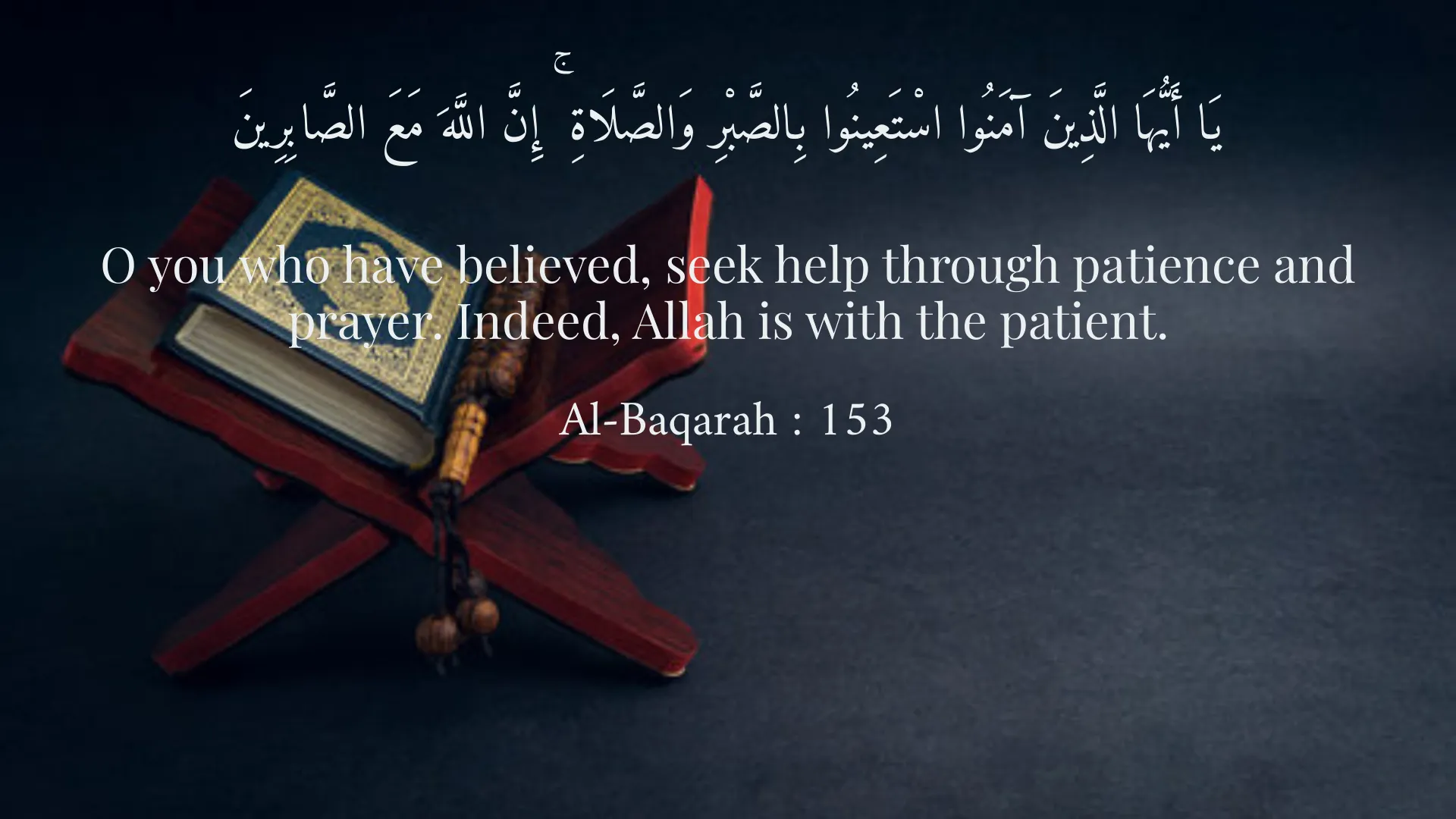
يَا أَيُّهَا الَّذِينَ آمَنُوا اسْتَعِينُوا بِالصَّبْرِ وَالصَّلَاةِ ۚ إِنَّ اللَّهَ مَعَ الصَّابِرِينَ
O you who have believed, seek help through patience and prayer. Indeed, Allah is with the patient.
Al-Baqarah : 153
يَا أَيُّهَا الَّذِينَ آمَنُوا أَوْفُوا بِالْعُقُودِ
O you who have believed, fulfill [all] contracts.
Al-Ma'idah : 1
يَا أَيُّهَا الَّذِينَ آمَنُوا لَا يَسْخَرْ قَوْمٌ مِّن قَوْمٍ عَسَى أَن يَكُونُوا خَيْرًا مِّنْهُمْ وَلَا نِسَاءٌ مِّن نِّسَاءٍ عَسَى أَن يَكُنَّ خَيْرًا مِّنْهُنَّ ۖ وَلَا تَلْمِزُوا أَنفُسَكُمْ وَلَا تَنَابَزُوا بِالْأَلْقَابِ ۖ بِئْسَ الِاسْمُ الْفُسُوقُ بَعْدَ الْإِيمَانِ ۚ وَمَن لَّمْ يَتُبْ فَأُولَٰئِكَ هُمُ الظَّالِمُونَ
O you who have believed, let not a people ridicule [another] people; perhaps they may be better than them; nor let women ridicule [other] women; perhaps they may be better than them. And do not insult one another and do not call each other by [offensive] nicknames. Wretched is the name of disobedience after [one's] faith. And whoever does not repent — then it is those who are the wrongdoers.
Al-Hujurat : 11
Short Story
It is told that in ancient times, there was a just and wise king who had many subjects. Among all his people, he paid special attention and gave particular regard to a group who truly listened to his words and wholeheartedly implemented his commands. Whenever he wished to issue an important decree, or bestow a special favor, or even give a subtle warning, he would begin his pronouncements with this particular group, saying: 'O you, loyal to my laws and path!' One day, a courtier asked the wise vizier: 'Why does His Majesty speak only to this particular group? Are not others also his subjects?' The vizier smiled gently and replied: 'My friend! The king's words are like a rain of mercy that falls upon all lands. However, only the soil that is tilled and prepared truly absorbs the raindrops and yields fruit. The king, knowing who has a listening ear and a vigilant heart, addresses directly those whom he is certain will act upon his words. This direct address is both a sign of respect for the listeners and an indication that true guidance is bestowed upon prepared hearts, so that goodness and blessing may flow even more abundantly throughout his realm.'