Quranic Answer
The Holy Quran, the sacred text of Islam, is a profound literary work that encompasses various styles of expression, including both concise and elaborate verses. This unique characteristic is crucial for the conveyance of its multifaceted messages and teachings. Concise verses in the Quran refer to statements that encapsulate significant concepts in a succinct manner, often addressing fundamental principles of faith and guiding the behavior of believers. These verses, while brief, are loaded with meaning and call for reflection, interpretation, and deeper understanding. To understand the importance of concise verses, one must first acknowledge their role in Islamic teachings. They often present subjects in a general manner that requires the reader to engage with the text actively. For instance, the verse from Surah An-Nur emphasizes the importance of modesty in Islam, commanding believers to reduce their vision and safeguard their private parts: 'And tell the believing women to reduce [some] of their vision and guard their private parts' (Surah An-Nur, 31). This verse articulates a clear directive regarding modest behavior, yet it remains intentionally open-ended, prompting further inquiry into the specifics of modesty, particularly concerning the hijab and its various interpretations across cultures and communities. The openness of concise verses serves several purposes. Firstly, it invites believers to engage in analytical thinking, encouraging them to seek further knowledge and understanding of their faith. The concise nature of these verses acts as a catalyst for discussion and learning among scholars, students, and individuals alike. Rather than providing exhaustive details, these verses lay a foundational understanding that can be expanded upon through interpretation and the study of the Hadith (traditions of the Prophet Muhammad) and other scholarly works. Moreover, concise verses reinforce the idea that Islamic teachings are not monolithic; rather, they are adaptable to the diverse circumstances of individuals and societies. This adaptive quality is essential in acknowledging that Islamic principles must be applied considering the context of each situation. For example, while the Quran may present a general principle regarding modesty, additional details regarding what constitutes proper hijab can vary widely, depending on cultural, social, and individual circumstances. Thus, the responsibility falls on believers to comprehend their faith in a way that aligns with their specific contexts, reflecting the dynamic nature of Islamic practice. In contrast, elaborate verses provide detailed explanations and narratives that complement the concise ones. These verses often elaborate on the principles introduced in the more succinct verses, offering clarity and context. They serve as vital resources for understanding how to apply the teachings of the Quran in everyday life. For instance, the stories of the Prophets, which are quite detailed in their telling, serve not only as historical accounts but also as moral lessons from which believers can draw insights applicable to their own lives. The Quran’s use of both concise and elaborate verses underscores the importance of balanced understanding in Islam. Believers are encouraged to delve into both the short, impactful messages and the longer, more detailed narratives to foster a comprehensive grasp of their faith. This duality serves as a reminder that while some aspects of belief might be straightforward, others require deeper exploration and consideration of broader teachings and traditions. The interplay between concise and elaborate verses extends to how Islamic jurisprudence operates. Scholars of Islam, known as Mujtahids, have long engaged with these varied verse types to derive legal rulings. They analyze the concise verses to understand the core principles of Islamic law while applying the more elaborate narrative context to form cohesive legal decisions. This interpretative effort is critical in developing a robust understanding of Islamic legislation that resonates with the changing needs of Muslim communities around the world. Furthermore, the Quran’s structure showcases a divine harmony between brevity and elaboration. Each verse, regardless of its length, contributes to a greater message that is intricately woven throughout the text. The concise verses echo broader themes of faith, such as the oneness of God (Tawhid), the significance of prayer (Salah), and the importance of charity (Zakat). In this way, believers are continuously nudged towards spiritual growth, encouraging the pursuit of knowledge and the deepening of faith. In discussing the Quran’s verses, one must also recognize the role of the academic study of these texts. Thirst for knowledge is a paramount value in Islam, as exemplified by the Quranic injunctions to seek knowledge and understanding. Concise verses serve to instill the desire for inquiry and reflection among believers. They compel individuals to engage with religious texts and traditions, prompting a continuous journey toward deeper understanding and personal growth. In conclusion, the presence of both concise and elaborate verses in the Holy Quran serves as a vital mechanism for delivering its messages and guiding believers in their spiritual and practical lives. The succinct verses encapsulate fundamental principles, urging personal reflection, inquiry, and contextual understanding, while the elaborate verses enrich the overall narrative, offering insights that complement the core teachings. This multifaceted approach empowers Muslims to engage critically with their faith and adapt its principles to their unique lifestyles, ultimately leading to a more profound connection with their beliefs. As such, the Quran not only serves as a spiritual guide but also fosters a culture of knowledge, reflection, and continuous growth among its readers.
Related Verses
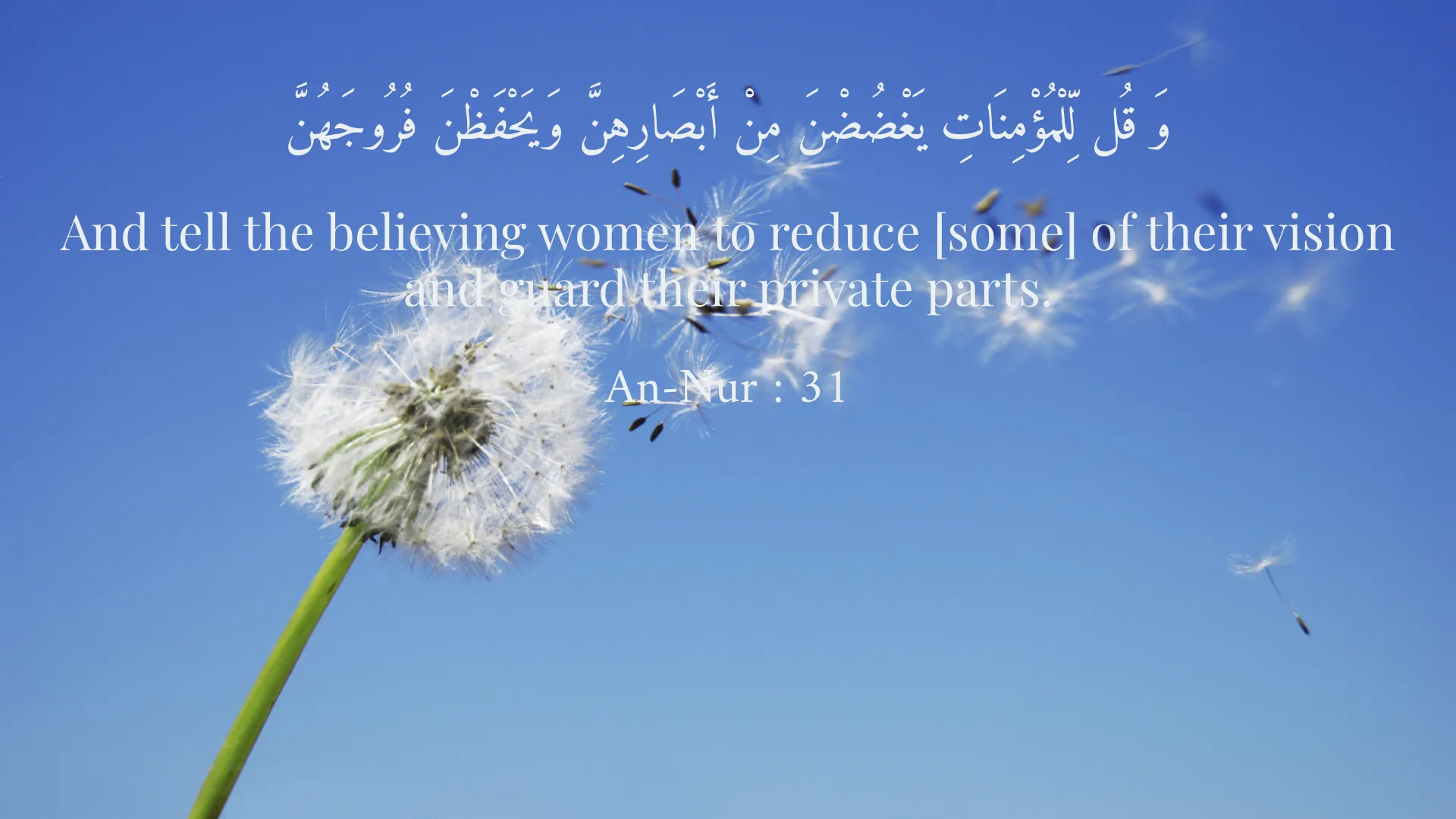
وَ قُل لِّلْمُؤْمِنَاتِ يَغْضُضْنَ مِنْ أَبْصَارِهِنَّ وَيَحْفَظْنَ فُرُوجَهُنَّ
And tell the believing women to reduce [some] of their vision and guard their private parts.
An-Nur : 31
Short Story
One day, Mohammad, a hardworking young man, was searching for the meaning of his life. He always read the verses of the Quran, striving to understand how he could get closer to God. One day, he encountered a verse referring to faith and good deeds. This verse made him ponder, and he decided to bring more order to his life and help others. He realized that his life gains real meaning when he comprehends the depth of the Quran's verses.