Quranic Answer
The classification of Quranic verses into 'Meccan' and 'Medinan' is one of the most significant and profound topics in Quranic studies. It not only aids in understanding the historical context of the Quran's revelation but also clearly demonstrates Divine wisdom in guiding humanity. This classification is based on the time and location of revelation: Meccan verses are those revealed before the Prophet Muhammad's (PBUH) migration (Hijra) from Mecca to Medina, while Medinan verses refer to those revealed after the Hijra during his residence in Medina. This distinction is not merely a historical categorization; it signifies fundamental differences in content, style, tone, and objectives of the verses, tailored to the specific needs and conditions of each phase of the Islamic community's formation and development. Meccan verses primarily focus on the foundational principles of faith. During the Meccan period, Muslims were a persecuted minority, and the Prophet (PBUH) was engaged in calling people immersed in centuries of ignorance and idolatry to monotheism and the rejection of polytheism. Therefore, Meccan verses often emphasize topics such as the Oneness of God (Absolute Tawhid), the affirmation of prophethood and messengership, the Day of Judgment (Akhirah) with emphasis on reward and punishment, calling to fundamental moral virtues (like patience, perseverance, and justice), and recounting the fate of past nations (like the people of Aad and Thamud). The tone of these verses is typically powerful, passionate, rhythmic, and concise, aiming to awaken dormant human nature and create an inner revolution within individuals to accept Islam. These verses vehemently oppose polytheism and superstitions and invite humans to reflect on creation and divine power. The core essence of Meccan verses lies in establishing the initial nucleus of faith and strengthening beliefs. In contrast, Medinan verses were revealed during a period when Muslims, after their migration to Medina, had formed a nascent state and a growing society. In this era, Islam was not only a religion but also a comprehensive social, political, and legal system that required extensive laws and regulations. Consequently, Medinan verses primarily address legislative topics, Islamic jurisprudence (such as detailed rules for prayer, zakat, fasting, Hajj, jihad, marriage, divorce, inheritance, retribution, and penal codes), regulating social and economic relations, issues concerning the People of the Book (Jews and Christians), hypocrites, and how to govern the Islamic state and society. The tone of these verses is usually calmer, more detailed, and longer, focusing more on the practical and legislative aspects of the religion. The primary goal of Medinan verses was to organize and administer society based on divine teachings, establish justice and order among Muslims, and defend the integrity of the Islamic community. The wisdom behind the gradual revelation of the Quran, divided into Meccan and Medinan periods, is immensely profound and intelligent. Through this method, Allah the Almighty revealed His teachings in accordance with people's capacity for understanding and acceptance, and the changing needs of society throughout the 23 years of the Prophet's (PBUH) mission. This gradual revelation offers numerous advantages: 1. Gradual Establishment of Beliefs: Initially, there was a need to solidify the fundamental principles of faith (Tawhid, Prophethood, Resurrection). Similar to building a structure, a strong foundation must first be laid before walls and a roof can be erected. Meccan verses fulfilled this role, making the hearts of believers firm in pure faith in God, resilient in the face of hardships. 2. Training and Purification of the Soul: Changing deeply rooted habits and beliefs in a society requires time and patience. The gradual revelation of rulings, such as the prohibition of alcoholic beverages which occurred in several stages, demonstrates Divine wisdom in guiding and educating people step by step. This prevents sudden and overwhelming pressure on society. 3. Responsiveness to Evolving Needs: Throughout the 23 years of prophethood, numerous events and challenges arose for Muslims. Quranic verses were continuously revealed, relevant to each new event and need, providing divine solutions. This illustrates that the Quran is not merely a theoretical book but a living and dynamic guide for all aspects of life. 4. Facilitating Memorization and Comprehension: Had the entire Quran been revealed at once, memorizing and understanding it would have been exceedingly difficult for the people of that time, many of whom were illiterate. Gradual revelation gave them the opportunity to properly memorize, comprehend, and act upon each section. This significantly aided in the solidification of verses in memory and practice. 5. Miraculous Nature of the Quran and its Challenge (Tahaddi): The gradual nature of its revelation and its responsiveness to various events themselves bear witness to the Quran's divine origin. No human could, over 23 years, in diverse conditions and locations, produce a book with such coherence, eloquence, and depth that covers all the theological, ethical, social, and legal needs of a society, while simultaneously responding to new questions and challenges at every moment. This miraculous aspect strengthens the Quran's challenge (Tahaddi) to produce anything like it. Ultimately, this categorization helps us read and understand the Quran with deeper insight and comprehension. We learn where each verse stands in the path of divine guidance and what role it plays in the overall structure of the Quran's message. The Quran, whether Meccan or Medinan, all originated from a single source, Allah the Almighty, and its ultimate goal is to guide humanity towards prosperity in this world and the hereafter, but with methods and tools designed to suit each stage of the believing community's growth and development.
Related Verses
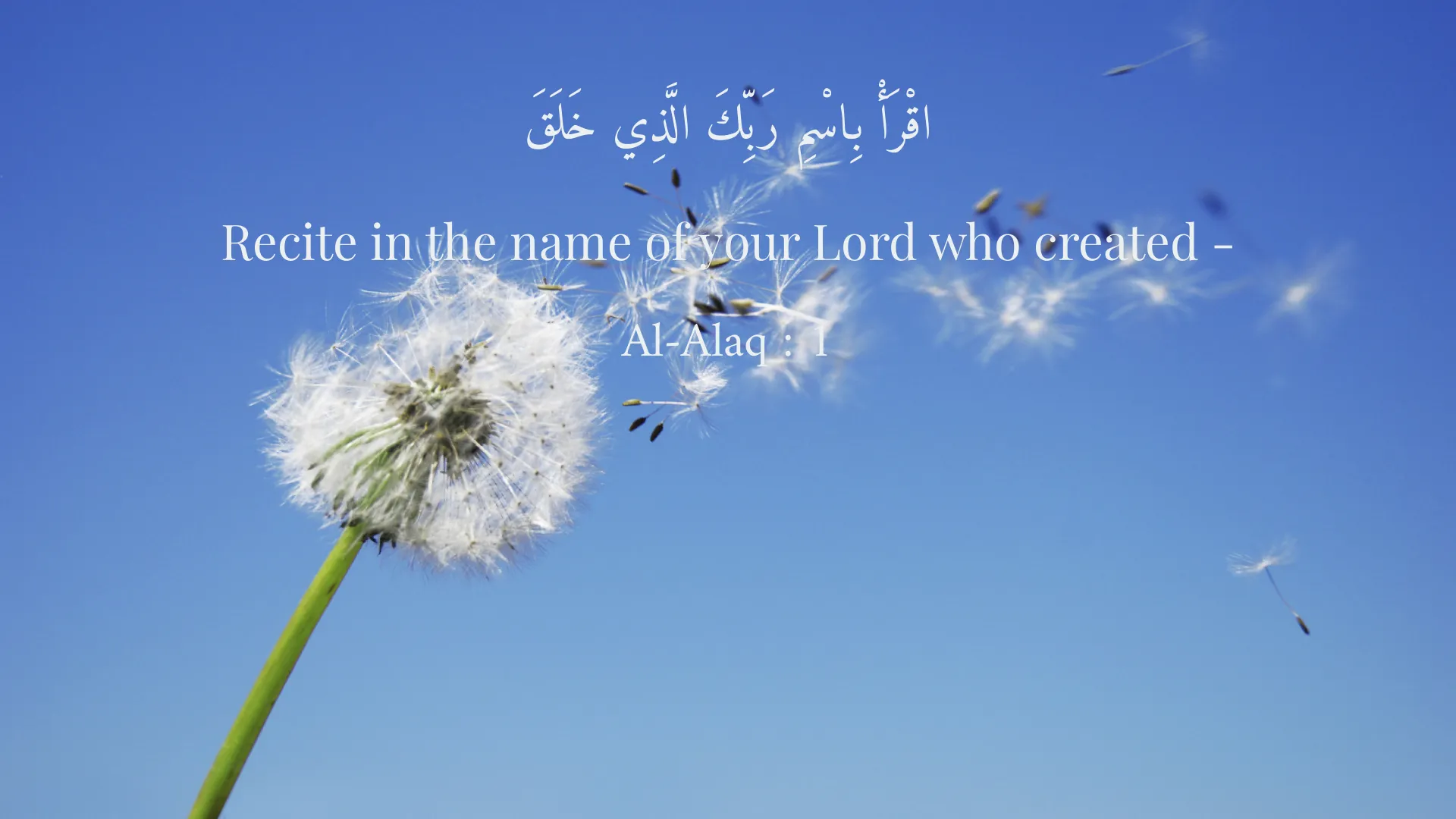
اقْرَأْ بِاسْمِ رَبِّكَ الَّذِي خَلَقَ
Recite in the name of your Lord who created -
Al-Alaq : 1
وَقَضَىٰ رَبُّكَ أَلَّا تَعْبُدُوا إِلَّا إِيَّاهُ وَبِالْوَالِدَيْنِ إِحْسَانًا ۚ إِمَّا يَبْلُغَنَّ عِندَكَ الْكِبَرَ أَحَدُهُمَا أَوْ كِلَاهُمَا فَلَا تَقُل لَّهُمَا أُفٍّ وَلَا تَنْهَرْهُمَا وَقُل لَّهُمَا قَوْلًا كَرِيمًا
And your Lord has decreed that you not worship except Him, and to parents, good treatment. Whether one or both of them reach old age [while] with you, say not to them [so much as], 'uff,' and do not repel them but speak to them a noble word.
Al-Isra : 23
الْيَوْمَ أَكْمَلْتُ لَكُمْ دِينَكُمْ وَأَتْمَمْتُ عَلَيْكُمْ نِعْمَتِي وَرَضِيتُ لَكُمُ الْإِسْلَامَ دِينًا
This day I have perfected for you your religion and completed My favor upon you and have approved for you Islam as religion.
Al-Ma'idah : 3
Short Story
In Saadi's Gulistan, it is told that a king had a very intelligent secretary. The king would ask for a new lesson every day, but the secretary never presented all wisdom at once. Instead, each day he taught a point according to the king's capacity and readiness. One day, the king asked, 'Why do you not reveal all your knowledge to me at once?' The secretary respectfully replied, 'O King! If the gardener sows all seeds on one day and harvests all fruits in one season, what beauty would the garden possess, and how would it flourish? Knowledge is likewise; it must be learned step by step to become deep-rooted and lasting. For understanding in haste is like food eaten before it is cooked—it neither brings pleasure nor benefit.' This story beautifully evokes the wisdom of the gradual revelation of the Quran, demonstrating how divine teachings were revealed stage by stage, in accordance with the community's readiness and the needs of the time, to firmly establish the foundations of faith and justice.