Quranic Answer
The Holy Quran, regarded as the sacred text of Islam, employs a rich tapestry of stories and narratives to convey its teachings and messages. From the earliest revelations to the concluding verses, the Quran astutely uses storytelling as a mechanism not only to disseminate religious doctrines but also to ensure that its lessons are memorable and impactful for a diverse audience. The effectiveness of these stories lies not merely in their historical context but also in their philosophical dimensions, making them timeless and relevant across various cultures and eras. At the core of many of these narratives are the stories of the Prophets, whose lives serve as exemplars of moral conduct, divine wisdom, and unwavering faith. Figures such as Moses, Jesus, and Muhammad are not just historical characters; they represent the embodiment of virtues and ethical principles that the Quran emphasizes. For instance, the narrative of Moses (Musa) in the Quran illustrates his resilience in the face of trials, his role as a liberator of the Children of Israel, and his direct communication with God. These themes showcase not only the significance of obedience to God but also highlight broader ethical values such as justice, compassion, and the quest for truth in times of adversity. Another powerful example within the Quran is the story of Joseph (Yusuf), found in Surah Yusuf. This narrative is rich with themes of hope, patience, and forgiveness. It narrates the life journey of a young boy rejected by his brothers, sold into slavery, and later rising to a position of authority in Egypt. Throughout his trials, Joseph exemplifies the virtues of patience and the importance of maintaining faith in God's plan. His story is not only about personal endurance; it is also a reminder of the importance of forgiveness and reconciliation, encapsulating deep emotional and spiritual lessons that resonate with the struggles many individuals face in their lives. The Quran’s penchant for storytelling serves a multifaceted purpose. Firstly, it offers a means for readers and listeners to engage with divine teachings in a relatable manner. Stories provide a narrative framework that simplifies complex theological concepts, allowing individuals to internalize profound truths more easily. This method of conveying knowledge transcends linguistic and cultural barriers, reaching hearts and minds in ways that straightforward dictates or rules may fail to do. Moreover, narratives in the Quran are not merely recounting events; they delve into the intricate aspects of human experience. By illustrating various human emotions such as fear, love, jealousy, and ambition, the Quran invites readers to engage in self-reflection and self-awareness. The dynamic between characters within these stories prompts individuals to examine their own lives, relationships, and choices, encouraging personal growth and spiritual development. For instance, the trials faced by Job (Ayyub) serve as a poignant narrative on faith in adversity, highlighting the essence of patience and reliance on God during dire circumstances. Additionally, the Quran’s storytelling format reinforces the authority of divine laws and moral directives within human societies. These narratives serve as cautionary tales about the consequences of disobedience to God’s commands. The stories of past civilizations, such as the people of Noah (Nuh) or the Pharaoh of Egypt, illustrate how divine retribution manifests in response to collective moral failings. Through these accounts, the Quran emphasizes the importance of adhering to ethical principles and the consequences of neglecting divine guidance. This didactic approach not only fosters reflection but also aims to nurture a sense of accountability among believers. By understanding the outcomes faced by previous generations, contemporary readers are encouraged to learn from history and align their actions with divine expectations, fostering a responsible and morally conscious society. The stories in the Quran also serve as reminders of the transient nature of life. The tales of success and downfall, of certain victory and inevitable defeat, remind individuals to remain humble and grateful. They highlight that regardless of how powerful one may become, humility before God and acknowledgment of His sovereignty are paramount. This perspective can help individuals cultivate gratitude and resilience, essential qualities in navigating the complexities of life. Furthermore, the thematic depth of these stories provides a reservoir of wisdom for scholars, thinkers, and believers alike. The Quran challenges its readers to delve deeper into the layers of meaning within each narrative, promoting a culture of critical thinking and analysis. This encourages individuals not just to accept the narratives at face value but to engage with them intellectually and spiritually, seeking to uncover the lessons that can be applied to one’s life and society. Ultimately, the Quran's storytelling approach invites readers to look beyond the surface, encouraging a journey of exploration and dialogue with the divine text. It fosters a sense of intimacy between the reader and the narrative, allowing for personal connections to be formed through shared experiences and trials. By reflecting on these stories, individuals can find solace, guidance, and a renewed sense of purpose in their own lives. In conclusion, the Holy Quran’s use of stories is a powerful and intentional mechanism for imparting wisdom and lessons that transcend time and culture. By using narratives, the Quran effectively engages its audience, encouraging reflection, moral integrity, and a greater understanding of God’s workings in the world. The stories resonate with individuals on both emotional and intellectual levels, providing a profound source of inspiration, guidance, and motivation to lead lives that align with divine teachings and values. As we navigate through our complexities, the Quran serves as a beacon of hope, urging us to learn from the past to shape a better future.
Related Verses
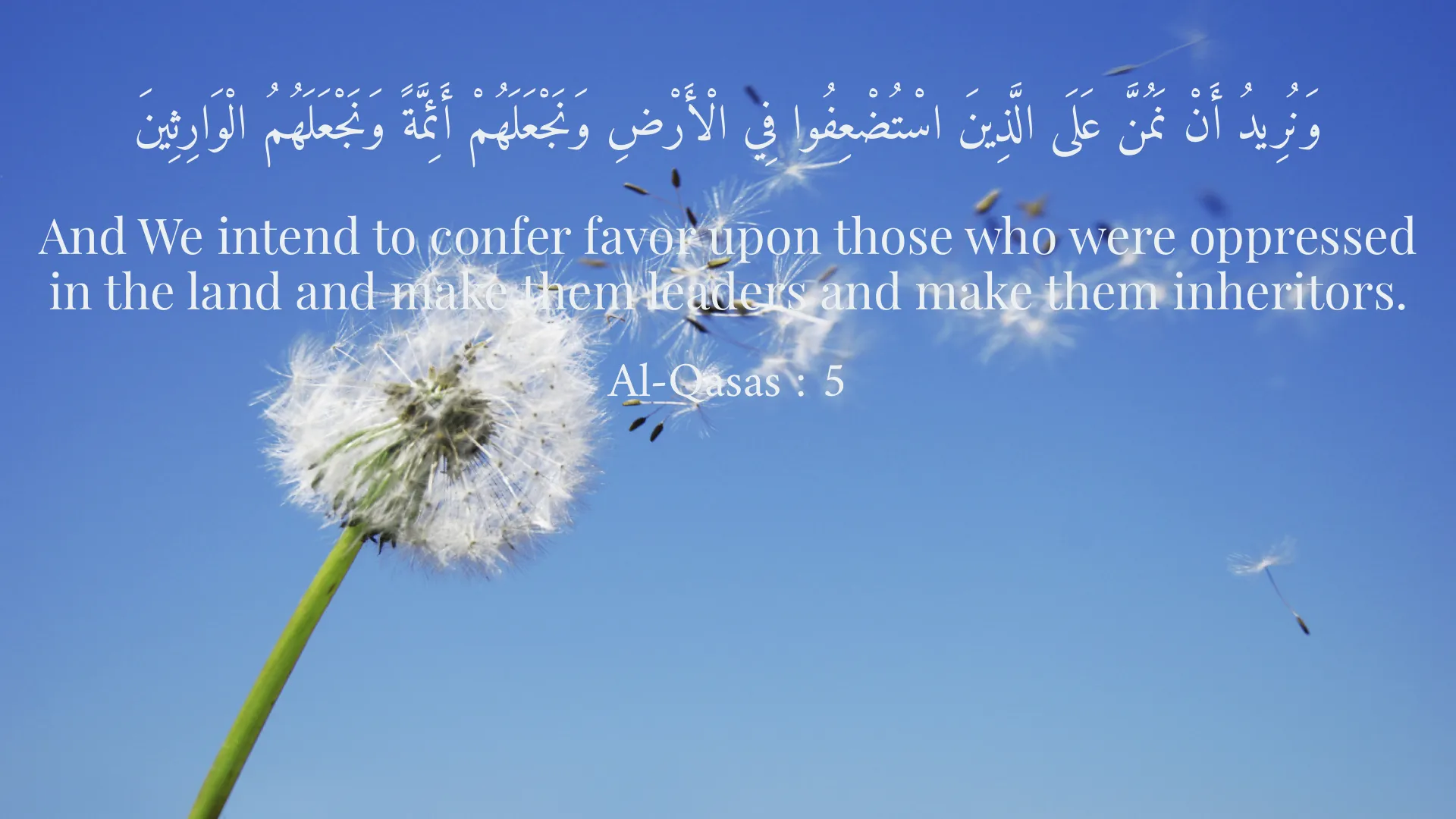
وَنُرِيدُ أَنْ نَمُنَّ عَلَى الَّذِينَ اسْتُضْعِفُوا فِي الْأَرْضِ وَنَجْعَلَهُمْ أَئِمَّةً وَنَجْعَلَهُمُ الْوَارِثِينَ
And We intend to confer favor upon those who were oppressed in the land and make them leaders and make them inheritors.
Al-Qasas : 5
ثُمَّ أَرْسَلْنَا مُوسَى وَأَخَاهُ هَارُونَ بِآيَاتِنَا وَسُلْطَانٍ مُبِينٍ
Then We sent Moses and his brother Aaron with Our signs and a clear authority.
Al-Mu’minun : 44
نَحْنُ نَقُصُّ عَلَيْكَ أَحْسَنَ الْقَصَصِ بِمَا أَوْحَيْنَا إِلَيْكَ هَـذَا الْقُرْآنَ ۖ وَإِن كُنتَ مِن قَبْلِهِ لَمِنَ الْغَافِلِينَ
We relate to you the best of stories through Our revelation to you of this Quran; and indeed, you were among the unaware before it.
Yusuf : 3
Short Story
Once upon a time, a young man named Amir was in search of the truth about his life. He discovered through reading the Quran that there were stories that could help him. He decided to read the stories of the Prophets and learned valuable lessons from them. Particularly, the story of Joseph inspired him. Amir realized how he could be patient and faithful in his life, and this story drew him closer to God.