Quranic Answer
In the Holy Quran, there are various instances that illustrate the concept of actions having differing levels of rewards depending on certain conditions. This idea is deeply rooted in the Islamic understanding of intention, time, and circumstance. Through the exploration of these factors, we can gain a more profound appreciation for the nuanced nature of faith and actions in Islam. The Importance of Intention One of the primary reasons some actions yield greater rewards is rooted in the individual's intention when performing that action. Intention, or "niyyah," is a fundamental concept in Islam that underscores the importance of the purpose behind our deeds. As highlighted in Surah Al-Baqarah, verse 177, true righteousness is not merely about outward rituals or appearances, such as turning one’s face towards the East or West during prayer. Rather, it lies in the genuine belief in Allah, the Last Day, the Angels, the Holy Books, and the Prophets. This verse emphasizes that it is not enough to perform actions for the sake of social acceptance or mere ritualistic behavior; instead, actions should be underpinned by a sincere heart and noble intentions. The Quran calls upon its followers to give their wealth—despite their attachment to it—to those in need, such as relatives, orphans, the needy, travelers, and those who seek help. This act of selflessness not only signals one’s faith but also demonstrates a commitment to serving humanity, which in turn enhances the reward bestowed upon the individual. Timing and Specific Conditions Another salient aspect that affects the reward of actions is their timing. Certain religious rites and acts of worship are positioned within specific times to not only give them added significance but also to align them with moments when individuals are more spiritually receptive. For example, prayer (salah) performed in mosques, especially in congregation, is described in Surah An-Nur, verse 36, as possessing a high reward. The congregation fosters a sense of community and collective spirituality, thereby amplifying the individual’s spiritual experience. In addition to collective worship within specific timeframes, the Quran also acknowledges that enduring hardships can elevate the status of certain actions. Surah Al-Anfal, verse 28, articulates that possessions and children serve as a test from Allah; they are not merely worldly possessions but rather trials that can lead to eternal rewards when handled with faith. Those who navigate these trials with steadfastness and righteousness can expect a great reward from Allah. This intertwining of trials and the pursuit of righteousness creates a profound connection between a believer’s test and their spiritual growth. The Significance of Place and Community Where actions are performed also plays a pivotal role in their perceived value within Islam. The concept of community worship, as previously discussed, is further extended to the places deemed auspicious for certain practices. For instance, performing prayers in the holy city of Mecca holds immense significance and is believed to yield far more reward than in other locations. As stated, the timing and place of the action significantly enhance the blessings associated with it. The significance of location is found in other forms of worship as well, such as charity (sadaqah) given in specific places or to specific groups may hold more weight due to the context or need of the community at that moment. The teachings of Islam encourage believers to be aware of their surroundings and to act with the intention of providing support and upliftment to their communities, reinforcing the notion that the environment matters as much as the action itself. Circumstances and Their Impacts Furthermore, the circumstances surrounding an action can heavily influence its reward. Acts of kindness performed during moments when one is under pressure or dealing with personal struggles can carry more weight as they reflect a higher level of faith and compassion. For example, giving charity when one is themselves living in scarcity is seen as a significant reflection of a person’s belief. Allah promises in Surah Al-Mu'minun, verse 11, that those who remain steadfast in their faith and belief amidst challenges will be rewarded with eternal promises of paradise. This connection between action and circumstance not only motivates believers to exceed their limitations but also molds their character in the realm of compassion and empathy. Conclusion In conclusion, the Holy Quran elucidates that the reward for actions is not standard; rather, it is a multi-faceted approach influenced by one’s intention, the timing of the action, the place in which it is performed, and the surrounding circumstances. Every action carries its unique potential for reward, and as believers, understanding this hierarchy encourages us to strive for sincerity and mindfulness in our deeds. By aligning our actions in accordance with these principles, we can cultivate a deeper spiritual connection with Allah and a more profound understanding of our responsibilities towards ourselves and our communities. Such insights from the Quran serve not only as guiding principles but also as motivators for us to elevate our actions in pursuit of heaven’s rewards, reinforcing the beautiful tapestry of faith woven throughout our lives.
Related Verses
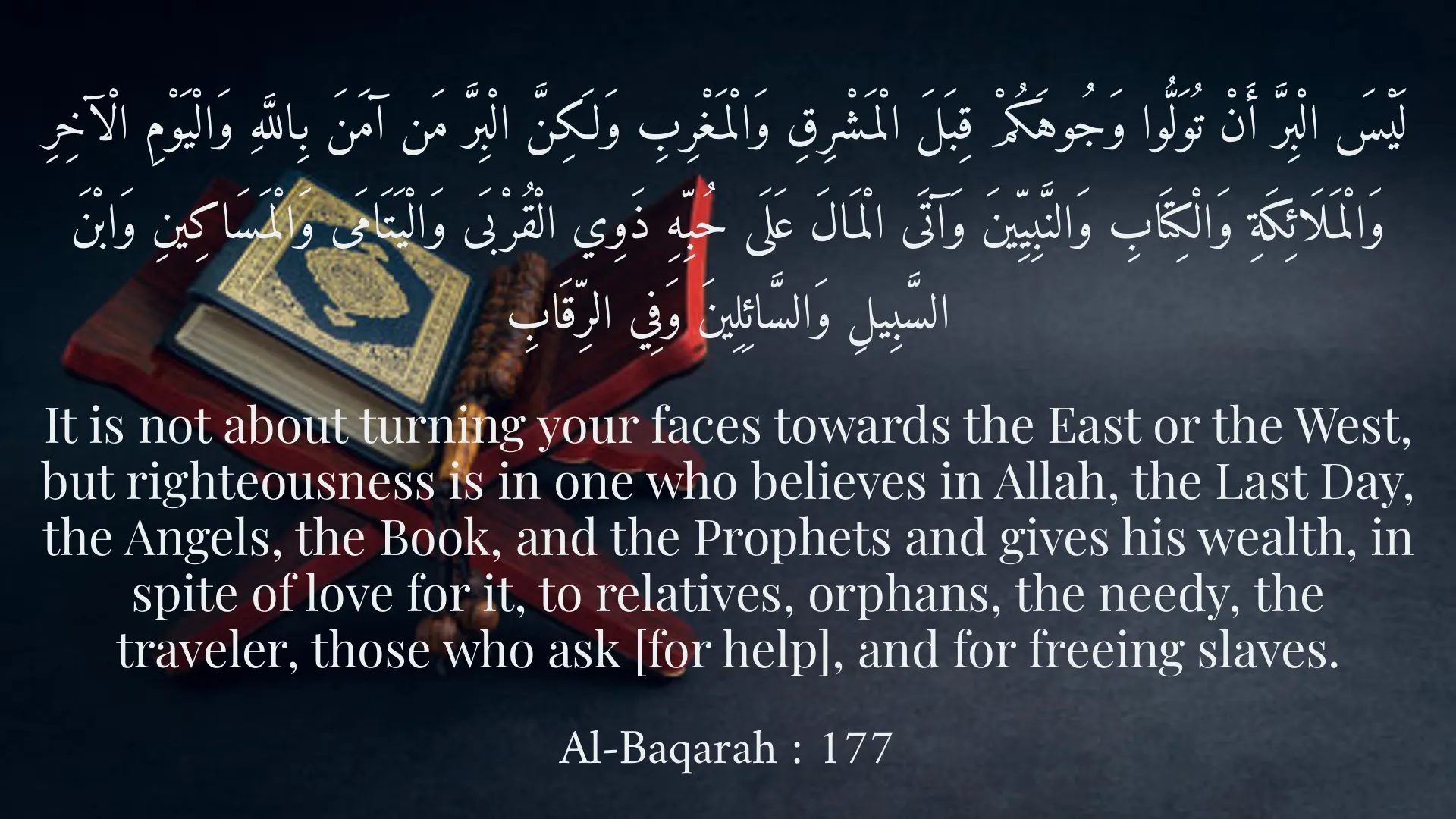
لَيْسَ الْبِرَّ أَنْ تُوَلُّوا وَجُوهَكُمْ قِبَلَ الْمَشْرِقِ وَالْمَغْرِبِ وَلَكِنَّ الْبِرَّ مَن آمَنَ بِاللَّهِ وَالْيَوْمِ الْآخِرِ وَالْمَلَائِكَةِ وَالْكِتَابِ وَالنَّبِيِّينَ وَآتَى الْمَالَ عَلَى حُبِّهِ ذَوِي الْقُرْبَى وَالْيَتَامَى وَالْمَسَاكِينِ وَابْنَ السَّبِيلِ وَالسَّائِلِينَ وَفِي الرِّقَابِ
It is not about turning your faces towards the East or the West, but righteousness is in one who believes in Allah, the Last Day, the Angels, the Book, and the Prophets and gives his wealth, in spite of love for it, to relatives, orphans, the needy, the traveler, those who ask [for help], and for freeing slaves.
Al-Baqarah : 177
فِي بُيُوتٍ أَذِنَ اللَّهُ أَنْ تُرْفَعَ وَيُذْكَرَ فِيهَا اسْمُهُ يُسَبِّحُ لَهُ فِيهَا بِالْغُدُوِّ وَالْآصَالِ
In houses which Allah has permitted to be raised and that His Name be mentioned therein, exalting Him therein in the morning and the evening.
An-Nur : 36
وَالَّذِينَ هُم فِي إِيمَانِهِمْ رَاسِخُونَ
And those who are in their faith and belief steadfast.
Al-Mu'minun : 11
Short Story
Once upon a time, there was a young man named Ali who decided to dedicate his life to good deeds and make the best out of his time. One day, he went to a school and started reading the Quran. When he came across the verse that said, 'Deeds done for Allah carry multiplied rewards,' he deeply contemplated this statement. He decided to incorporate a few good deeds every day, such as helping others and honoring his parents. Over time, Ali felt that his life gained profound meaning and that these good actions transformed his life.