Quranic Answer
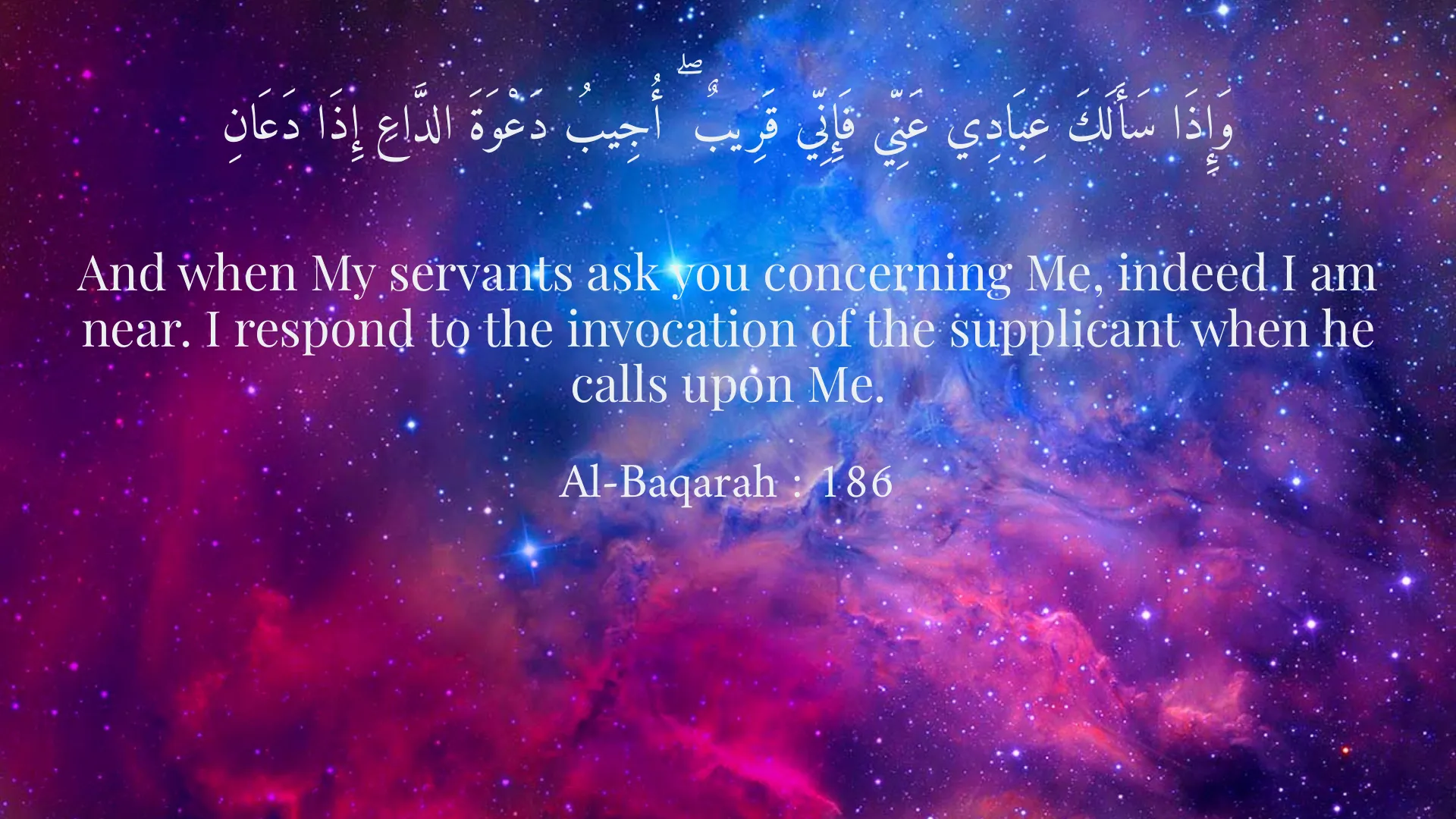
The Holy Quran, revered as the ultimate guidance for humanity, extensively addresses the myriad ways individuals navigate the trials and triumphs of life. The Quran sheds light on human behavior when confronted with challenges and ease, providing a deeper understanding of the spiritual dynamics involved. One significant aspect highlighted in the Quran is the intrinsic human tendency to turn toward God, especially during difficult times. This phenomenon can be attributed to the unique need that arises in moments of hardship, compelling individuals to seek refuge and solace in their Creator. In Surah Al-Baqarah, verse 186, Allah states, 'And when My servants ask you concerning Me, indeed I am near. I respond to the invocation of the supplicant when he calls upon Me.' This verse encapsulates the profound truth of divine closeness, reminding us that Allah is not distant but rather intimately aware of our struggles and desires. The verse emphasizes that when individuals call upon God, especially in times of distress, He responds to their supplications with compassion and attentiveness. This divine proximity is often more acutely felt during adversities, which heightens one’s consciousness of God’s presence. When people encounter challenges—whether they are personal crises, health issues, or socioeconomic struggles—their hearts tend to resonate with the urgency of seeking help from a higher power. This need for divine assistance is a natural human response to vulnerability and uncertainty. In such moments, the act of remembering God not only serves as a relief from anxiety but also imbues the heart with strength and provides tranquility to the soul. The act of supplication (dua) becomes not merely a request for alleviation of hardship but a channel through which individuals reaffirm their faith and reliance on God. The continuation of this verse advises believers to exercise patience and to maintain trust in God’s wisdom: 'So, surely, patience is a virtue of those who have faith.' In moments of trial, patience (sabr) becomes an essential virtue that enables individuals to cope with adversity resiliently. The Quran teaches that enduring hardship with patience fosters spiritual growth and strengthens one’s relationship with God. Moreover, in Surah Az-Zumar, verse 53, Allah calls out to His faithful servants: 'O My servants who have believed, fear your Lord.' This invitation underscores the necessity of cultivating piety and mindfulness, not only during times of suffering but throughout all aspects of life. It implores believers to remain conscious of their actions and to uphold a sense of duty and love toward God. In this context, mindfulness acts as a bridge connecting believers to their Creator, promoting a balanced perspective even amidst challenges. These verses collectively remind us that the relationship between a human and God transcends specific circumstances, be it in moments of struggle or ease. In fact, the Quran encourages a consistent and reflective remembrance of God, regardless of the situation—a practice deeply beneficial for one’s spiritual well-being. It imbues a sense of gratitude during uplifting moments and humility during challenging times. Remembering God in joyful moments alongside difficult ones fosters an all-encompassing appreciation of life. This practice instills a recognition of God’s countless bounties, encouraging individuals to express their gratitude and to acknowledge the source of their blessings. Gratitude is an essential aspect of faith that nurtures a positive relationship with God, thus becoming a protective shield against the trials of life. Additionally, maintaining the remembrance of God across all phases of life cultivates a balanced spiritual environment. It prevents individuals from becoming too engrossed in worldly pursuits during times of prosperity, thereby preserving their moral compass and ensuring they remain grounded. The Quran warns against the pitfalls of complacency, as prosperity can sometimes lead to forgetfulness of God. In summary, the guidance offered in the Holy Quran illustrates a comprehensive understanding of human behavior in relation to the divine. It teaches that challenges serve as critical moments for remembrance and reliance on God. Through verses that emphasize God's mercy and proximity, we are reminded to engage in regular reflection and supplication. The Quran advocates for a holistic relationship with God, one that is nurtured through faithful remembrance, patience in adversity, and gratitude in times of ease. By embracing the lessons presented in these scriptures, believers can foster a resilient spirit, remaining steadfast in their faith while celebrating life’s abundant blessings. Ultimately, the message is clear: the journey of faith is enriched by invoking God’s presence in all moments, uniting our hearts in remembrance and gratitude, both in struggle and in ease. This duality enhances our understanding of our purpose and deepens our intrinsic connection to the divine, guiding us through life’s complexities with peace and resolve.
Related Verses
وَإِذَا سَأَلَكَ عِبَادِي عَنِّي فَإِنِّي قَرِيبٌ ۖ أُجِيبُ دَعْوَةَ الدَّاعِ إِذَا دَعَانِ
And when My servants ask you concerning Me, indeed I am near. I respond to the invocation of the supplicant when he calls upon Me.
Al-Baqarah : 186
قُلْ يَا عِبَادِيَ الَّذِينَ آمَنتُمْ اتَّقُوا رَبَّكُمْ
Say, 'O My servants who have believed, fear your Lord.'
Az-Zumar : 53
Short Story
One day, a man was pondering about his life and noticed that he only remembered God during tough times. He decided to be grateful to God in his good days as well. From that day on, in both joyful and challenging moments, remembering God remained fresh and significant for him, providing him immense peace.