Quranic Answer
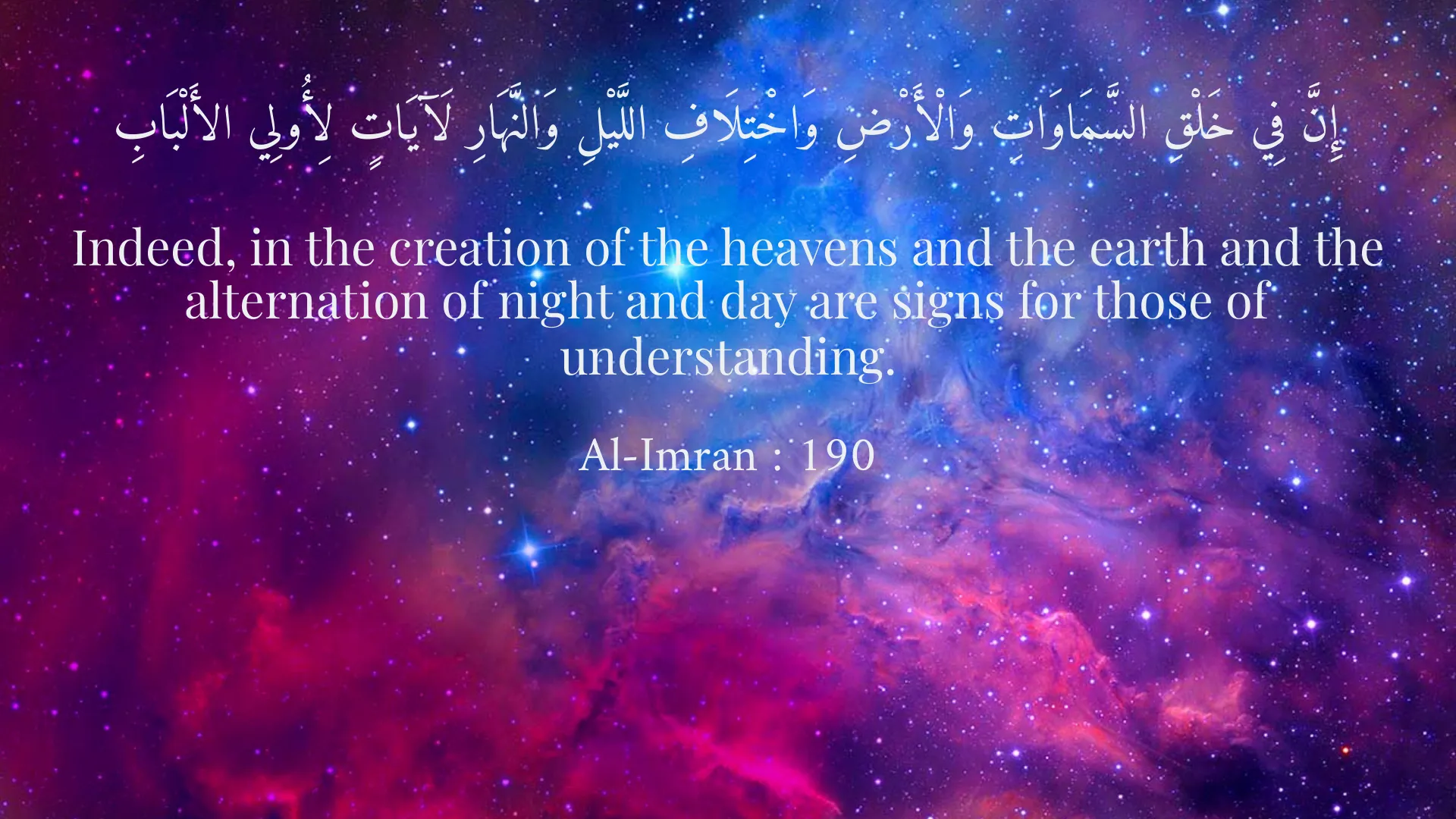
In the modern age, where distraction is rampant and busyness often replaces contemplation, the significance of thoughtful reflection cannot be overemphasized. The Holy Quran, the central religious text of Islam, stands as a beacon that calls upon individuals to engage in deep contemplation. Throughout its verses, Allah invites humanity to ponder over the wonders of creation, the infinite universe, and the delicate interplay of natural laws. By doing so, believers are encouraged to strengthen their connection with the Creator, deepen their understanding of life, and fulfill their moral responsibilities. The Call to Reflection At the core of Islamic teachings lies the fundamental principle that thinking and reflecting are not merely acts of intellectual exercise but are, in fact, pathways to spiritual enlightenment. Various verses of the Quran address the theme of contemplation as vital for nurturing a robust faith. For instance, Surah Al-Imran, verse 190 states: "Indeed, in the creation of the heavens and the earth and the alternation of night and day are signs for those of understanding." This poignant message underscores that through contemplation of the natural world, one can perceive signs of Allah’s power and majesty. This philosophical invitation aids individuals in developing a greater awareness of their surroundings. While many may lead lives consumed by routine, the Quran challenges them to step back and consider the divine orders governing the universe. The alternation of night and day, the vastness of the cosmos, the intricate design of natural ecosystems—all serve as reminders that there is more to existence than the mundane troubles we often fixate on. The Nature of Thought in the Quran In Quranic teachings, thought is more than a cognitive process; it embodies a broader spiritual and ethical dimension. The Quran frequently emphasizes that thinking leads to knowledge—and knowledge leads to belief. Surah Muhammad, verse 38 presents this idea succinctly: "And if you are in doubt about what We have sent down to Our Servant, then produce a Surah like it and call upon your witnesses other than Allah if you should be among the truthful." Such verses invoke a call to critically engage with divine revelations and the broader truths that underpin existence. Here, Allah does not merely urge believers to accept blindly; rather, He invites them to explore, analyze, and reflect upon the words and the signs presented in the Quran. Engaging thoughtfully with the text encourages individuals not only to affirm their faith but also to cultivate a sense of personal responsibility for their beliefs and actions. Teaming Reflection with Life's Responsibilities The Quran's emphasis on reflection inherently carries a moral obligation: to live one’s life with intention and accountability. In Surah Al-Ghashiya, verses 17 to 20, Allah calls upon people to recognize the signs of their creation and the natural phenomena of the world around them. This spiritual invitation extends beyond mere admiration; it is a charged reminder of the interconnectedness of life and the Earth. As individuals reflect on their existence and role within the grand design of creation, they come to realize their responsibilities to one another and to the world. This realization can lead to a more comprehensive understanding of one's purpose, motivating believers to act with integrity, compassion, and respect for all living beings. Thus, contemplation becomes instrumental not only for personal growth but also for the betterment of society. When people reflect on their actions and choices, they become more inclined to align with the moral principles that Islamic teachings uphold—justice, kindness, and empathy toward others. Cultivating a Reflective Mindset In this fast-paced world, nurturing a reflective mindset can be challenging. However, the Quran provides numerous tools and frameworks for practicing mindfulness and contemplation. One practical approach is the practice of daily reflection, where individuals take moments each day to consider their actions, relationships, and beliefs in light of Islamic teachings. Such self-assessment can lead to greater self-awareness and spiritual growth. Moreover, engaging with nature further enriches this reflective practice. One can spend time in the tranquility of a garden, the mountains, or by the sea, marveling at the Creation of Allah. By doing so, believers can reconnect with their inherent purpose and the divine signs that are woven into every aspect of existence. The act of observing nature not only fosters appreciation but also invites an acknowledgment of the complexity and beauty of life that Allah has fashioned. Conclusion: The Pathway to Meaningful Living Ultimately, the Quran's consistent call for reflection is a powerful reminder of the transformative potential that lies within thoughtful contemplation. The act of thinking is more than an individual endeavor; it is a communal imperative that can effect change on multiple levels. By engaging in critical thought, believers are not merely fulfilling a religious duty; they are opening the door to a more profound understanding of Allah and their role as stewards of His creation. To live a meaningful life while getting closer to Islamic and moral concepts, one must embrace the call to thought and reflection. It is through this journey of contemplation that individuals can cultivate a heartfelt connection with their Creator, instinctively align with ethical principles, and enrich their lives, ultimately leading to a more compassionate, conscious, and harmonious existence in both this world and the hereafter.
Related Verses
إِنَّ فِي خَلْقِ السَّمَاوَاتِ وَالْأَرْضِ وَاخْتِلَافِ اللَّيْلِ وَالنَّهَارِ لَآيَاتٍ لِأُولِي الأَلْبَابِ
Indeed, in the creation of the heavens and the earth and the alternation of night and day are signs for those of understanding.
Al-Imran : 190
وَإِن كُنتُمْ فِي رَيْبٍ مِّمَّا نَزَّلْنَا عَلَى عَبْدِنَا فَأَتُوا بِسُورَةٍ مِّن مِّثْلِهِ وَادْعُوا شُهَدَاءَكُم مِّن دُونِ اللَّهِ إِن كُنتُمْ صَادِقِينَ
And if you are in doubt about what We have sent down to Our Servant, then produce a Surah like it and call upon your witnesses other than Allah if you should be among the truthful.
Muhammad : 38
أَلَمْ يَنظُرُوا إِلَى الْأَرْضِ كَمْ أَنبَتْنَا فِيهَا مِن كُلِّ زَوْجٍ كَرِيمٍ
Do they not see the earth, how much We have produced therein from every noble kind?
Al-Ghashiya : 17
Short Story
Once upon a time, a man named Hosam felt worried about various aspects of his life. He decided to dedicate time each day to reflect on his life. By reading the verses of the Quran and contemplating their meanings, he began to understand himself and the world around him better. He realized that Allah had placed signs in the creation of the world that could only be understood through thought. By revisiting his days in this new way, Hosam opened a new world for himself and enjoyed his life more.