Quranic Answer
The Holy Quran, revered as the divine scripture of Islam, is a rich compendium of theological insights, spiritual guidance, and moral admonishments. Among its numerous features, one of the most compelling aspects is the frequent reference to the stories of prophets, who serve as exemplars of faith, morality, and perseverance. These narratives not only introduce pivotal figures in religious history but also impart essential lessons that resonate through time, encouraging readers to reflect on the nature of humanity and divine expectations. The stories of the prophets are multifaceted, serving to highlight core religious principles such as monotheism, honesty, patience, and unwavering faith. Each prophet embodies certain traits that allow readers to witness the complexities of human experience through the lens of divine guidance. The Quran thereby becomes not just a religious text but a narrative of human struggle, moral character, and the ultimate quest for truth. Among the various prophets discussed in the Quran, Prophet Abraham (Ibrahim) stands out with his profound commitment to the worship of the one true God. In Surah Maryam, verses 51 and 52, the Quran recounts Abraham's earnest appeal to his people: 'Will you worship others besides Allah?' This poignant question acts as a clarion call that transcends the ages, challenging contemporary audiences to examine their beliefs and allegiances. Abraham’s monotheism is a cornerstone of Islamic belief, I encompassing the recognition and submission to the oneness of God. His unwavering faith in the face of societal rejection serves as a model for followers, reminding them of the need for resilience in faith. Another captivating narrative is that of Prophet Joseph (Yusuf). The story of Joseph is rich with themes of betrayal, perseverance, and ultimate triumph through faith and patience. Sold into slavery by his own brothers, Joseph's life was marked by trials that tested his resolve and spiritual strength. However, despite enduring significant hardships—including imprisonment—he maintained his faith in God's plan for him. The Quran illustrates how Joseph's patience eventually leads him not only to forgiveness but also to a position of power within the Egyptian empire. His story serves as a profound lesson in the importance of trust in God and the belief that divine wisdom often reveals itself through adverse circumstances. These narratives are not merely historical recountings but are woven into the fabric of the Quran's moral teachings. Each story serves as a practical guide for believers, offering lessons that are often applicable to their own lives. The struggle of the prophets becomes the struggle of humanity as a whole; their challenges mirror those faced by individuals in society today. In sharing these stories, the Quran encourages readers to cultivate qualities such as honesty and patience, essential traits for anyone navigating the complexities of life. Moreover, the stories of the prophets capture the reader’s attention not only through their compelling narratives but also through the moral and social lessons embedded within them. The Quranic stories promote reflection and self-examination, as individuals are invited to consider their own faith, social justice, and ethical responsibilities towards others. By illustrating the virtues of the prophets, the Quran emphasizes that faith is not an abstract concept but a lived reality requiring commitment, sacrifice, and integrity. In a world often overshadowed by materialism and moral ambiguity, the teachings of the prophets are more relevant than ever. The timeless question posed by Abraham regarding the worship of multiple deities can be reinterpreted in modern contexts where distractions and alternatives to faith abound. Just as Abraham called his people to monotheism, contemporary believers are urged to seek clarity in their faith amidst the diversions of contemporary life. Additionally, the Quran encourages moral fortitude through the trials faced by Joseph, who teaches the power of patience and forgiveness. In times of personal or communal distress—be it in the form of social injustice, economic hardship, or interpersonal conflict—the prophet’s exemplifications of grace under pressure serve as invaluable reminders of resilience and the importance of unwavering faith. The consistent mention of these accounts and their moral implications throughout the Quran serves a dual purpose: to educate and to inspire. Each prophet’s story is not just a lesson from the past but a living narrative that urges believers towards ethical behavior and spiritual growth. The Quran reminds us that the lives of these prophets were not free from turmoil; rather, their greatness emerged from their capacity to navigate suffering with dignity and faith. Furthermore, the Quran places significant emphasis on community and social justice, drawing parallels between the stories of the prophets and the social realities faced by believers today. The collective experiences of these figures provide insights into how compassion, equity, and justice are integral components of faith. Stories of oppression, such as those faced by Joseph in Egypt, resonate deeply in modern discussions around inequality and the moral imperative to advocate for the marginalized. In conclusion, the stories of the prophets within the Holy Quran serve as profound sources of guidance and inspiration. They encapsulate fundamental principles that illuminate the path for believers, urging them to adopt qualities of faith, perseverance, and moral integrity. The relevance of these narratives transcends both time and cultural boundaries, inviting us to draw lessons from the struggles and triumphs of those who came before us. Just as the prophets faced their own tests of faith and character, contemporary believers are called to reflect on their own journeys, continuously aligning their actions with the tenets of patience, trust, and justice as exemplified by these remarkable figures in religious history.
Related Verses
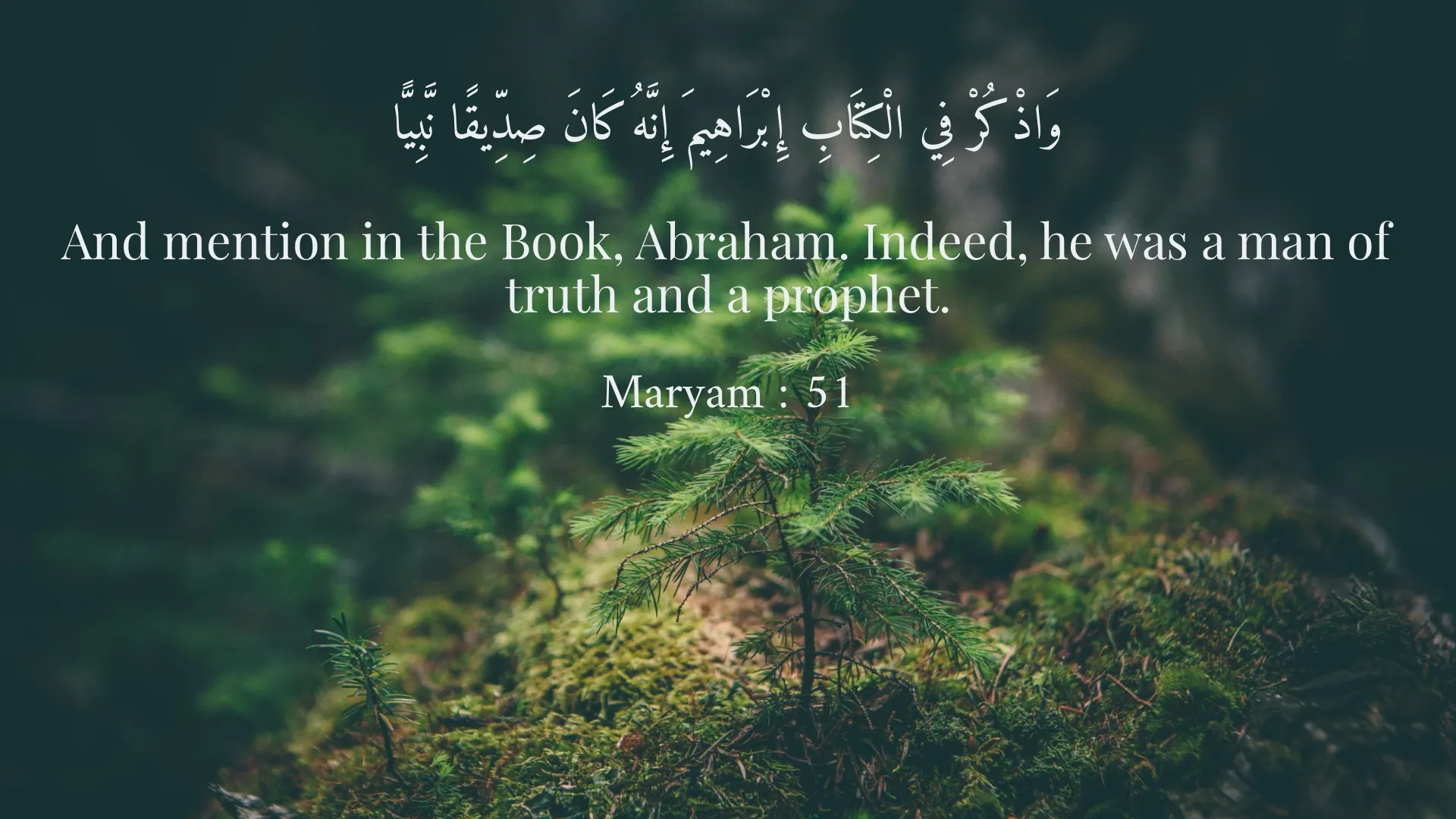
وَاذْكُرْ فِي الْكِتَابِ إِبْرَاهِيمَ إِنَّهُ كَانَ صِدِّيقًا نَّبِيًّا
And mention in the Book, Abraham. Indeed, he was a man of truth and a prophet.
Maryam : 51
وَجَاءُوا عَلَى قَمِيصِهِ بِدَمٍ كَذِبٍۢ ۖ قَالَ بَلْ سَوَّلَتْ لَكُمْ أَنفُسُكُمْ أَمْرًۭا ۖ فَصَبْرٌۭ جَمِيلٌۭ
And they brought upon his shirt false blood. He said, 'Rather, your souls have enticed you to something, so patience is most fitting.'
Yusuf : 18
وإنك لتهدي إلى صراط مستقيم
And indeed, you guide to a straight path.
Al-Qasas : 46
Short Story
One day in the market, two friends were discussing their lives and achievements. One of them expressed his love for the stories of the prophets, saying, 'Every time I hear a story of a prophet, I learn how to stand firm against challenges.' His friend emphasized, 'Indeed! Their stories show us how honesty and faith can rescue us from any crisis. We should pay attention to their teachings and apply them in our daily lives.'