Quranic Answer
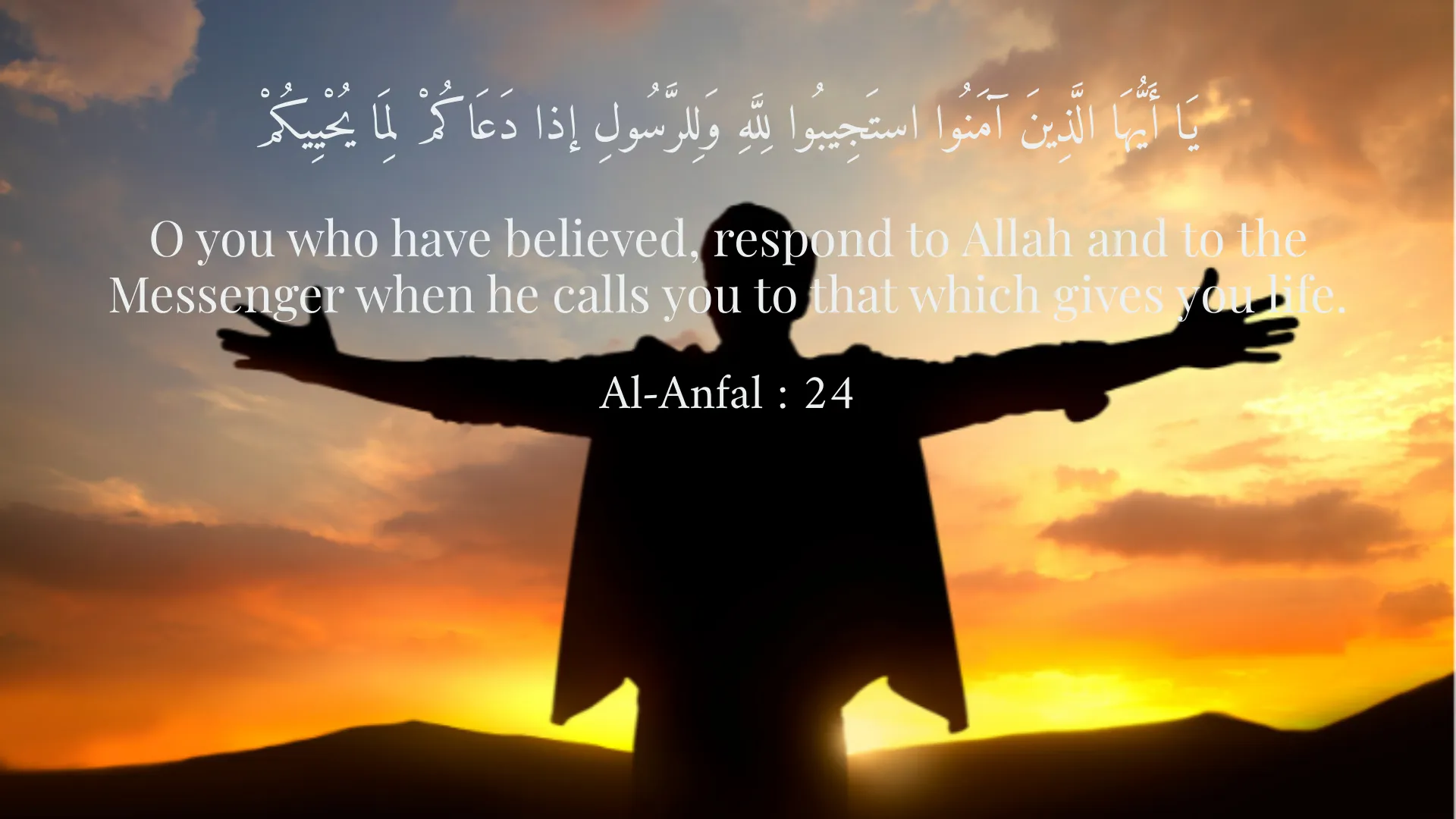
In the Holy Quran, a significant emphasis is placed on the concepts of guidance and misguidance. The Quran serves as a manual for the believers, offering directions on how to navigate the complexities of life with the divine instructions provided by Allah. As we delve deeper into the verses of the Quran, we discover the multifaceted nature of human inclination towards either following the path of guidance or straying away from it. This discussion explores various aspects of guidance as addressed in the Quran, particularly focusing on the consequences of neglecting the remembrance of Allah, the importance of invoking Him for steadfastness, and the detrimental effects of sins on one’s spiritual journey. At the core of the Quran’s teachings is the notion that remembrance of Allah is essential for any believer. The Quran frequently prompts individuals to engage in the dhikr, or remembrance, of Allah as a means to cultivate a sense of peace, direction, and purpose in their lives. Surah Al-Anfal, verse 24 states: "O you who have believed, respond to Allah and to the Messenger when he calls you to that which gives you life." This verse resonates with the call for believers to remain vigilant and responsive to divine invitations, which are crucial in nurturing one's spiritual vitality. When we fail to heed these calls, we risk becoming heedless and distancing ourselves from the divine light that is essential for guidance. The act of turning away from these reminders can lead to spiritual lethargy, making it exceedingly difficult to return to the straight path once we have fallen into neglect. In everyday life, this dynamic manifests itself in various forms. A person wrapped up in the stresses and distractions of modern life may find themselves neglecting their daily prayers or failing to engage in self-reflection and remembrance. It is in such states of neglect that one might become susceptible to misguidance, drifting away from the teachings and commands of Allah. It is paramount, therefore, that believers create a routine that reinforces their commitment to remembering Allah and responding to His calls. Spiritual practices, including prayer, recitation of the Quran, and engaging in acts of kindness, are concrete ways to anchor oneself to the remembrance of Allah, thus fortifying one's faith against the tides of misguidance. Furthermore, the Quran offers an essential supplication in Surah Al-Imran, verse 8, which illustrates the believers' need to constantly ask Allah for protection against deviation: "Our Lord, do not let our hearts deviate after You have guided us." This plea highlights the understanding that guidance is not a one-time event but a continuous journey requiring constant vigilance and supplication. The human heart, in its fallibility, requires divine assistance to remain firmly grounded in faith. As believers, it is our duty to engage in regular supplications, asking Allah to reinforce our hearts against potential doubts or misguiding influences. The interplay between faith and the acknowledgment of our weaknesses is a critical theme in this discussion. It is important for believers to recognize that misguidance can arise from both internal vulnerabilities and external temptations. The Quran addresses this concern further in Surah Al-Ma'idah, verse 90, which states: "Satan only wants to cause between you animosity and hatred through intoxicants and gambling." This verse exposes the tactics employed by Satan in attempting to lead us away from the righteous path by promoting destructive behaviors such as substance abuse and gambling. These sins not only harm individuals but also erode community trust and solidarity. Therefore, it is crucial for believers to remain aware of the potential traps set by Satan and safeguard themselves against engaging in such detrimental actions. Moreover, the consequences of misguidance can be far-reaching, affecting not just the individual but the wider community as well. Societal issues often stem from collective disobedience to God's commands and can lead to environments steeped in immorality and chaos. When a community strays from the path of guidance, it risks facing division, hatred, and discord. Hence, there is a collective responsibility among believers to uplift one another and foster an environment that encourages adherence to the teachings of Islam. The act of reminding each other and working collaboratively toward righteousness is also in line with the Quranic principles of community support. Ultimately, the quest for guidance is intertwined with our commitment to adhering to the teachings and principles laid out in the Quran. To prevent straying from the path of guidance, believers must maintain resilience in their faith and continually seek remembrance of Allah and compliance with His commands. This can be achieved through personal devotion, community involvement, and a shared commitment to spiritual upliftment. By engaging in these practices, one can create a robust spiritual foundation that serves as a buffer against misguidance. In conclusion, the Holy Quran lays a clear framework for understanding the dynamics of guidance and misguidance. The call to remember Allah, the need for constant supplication for steadfastness, and the caution against sinful behavior all serve to reinforce the believer's path toward divine light. Through reflection, worship, community support, and vigilance against distractions, individuals can navigate their spiritual journeys more effectively, ensuring they remain steadfast on the path that leads toward salvation and enlightenment. As we embrace these teachings, we foster not only our individual growth but also contribute to a more harmonious community that collectively moves toward the ultimate goal of guidance.
Related Verses
يَا أَيُّهَا الَّذِينَ آمَنُوا استَجِيبُوا لِلَّهِ وَلِلرَّسُولِ إذا دَعَاکُمْ لِمَا يُحْيِيكُمْ
O you who have believed, respond to Allah and to the Messenger when he calls you to that which gives you life.
Al-Anfal : 24
رَبَّنَا لَا تُزِغْ قُلُوبَنَا بَعْدَ إِذْ هَدَيْتَنَا
Our Lord, do not let our hearts deviate after You have guided us.
Al-Imran : 8
إِنَّمَا يُرِيدُ الشَّيْطَانُ أَن يُوقِعَ بَيْنَكُمُ الْعَدَاوَةَ وَالْبَغْضَاءَ فِي الْخَمْرِ وَالْمَيْسِرِ
Satan only wants to cause between you animosity and hatred through intoxicants and gambling.
Al-Ma'idah : 90
Short Story
Once upon a time in a village, there lived a young man named Hasan who was often heedless of God's remembrance. He was primarily busy with pleasure and entertainment, slowly realizing that his life felt empty of meaning. One day, he went to a religious scholar seeking guidance. The scholar advised him, 'Brother, remember Allah and walk in His path. Only through His remembrance will you find peace and guidance in your life.' Taking this advice to heart, Hasan began to remember God, and his life transformed. He found that he was no longer far from guidance and was always on the right path.