Quranic Answer
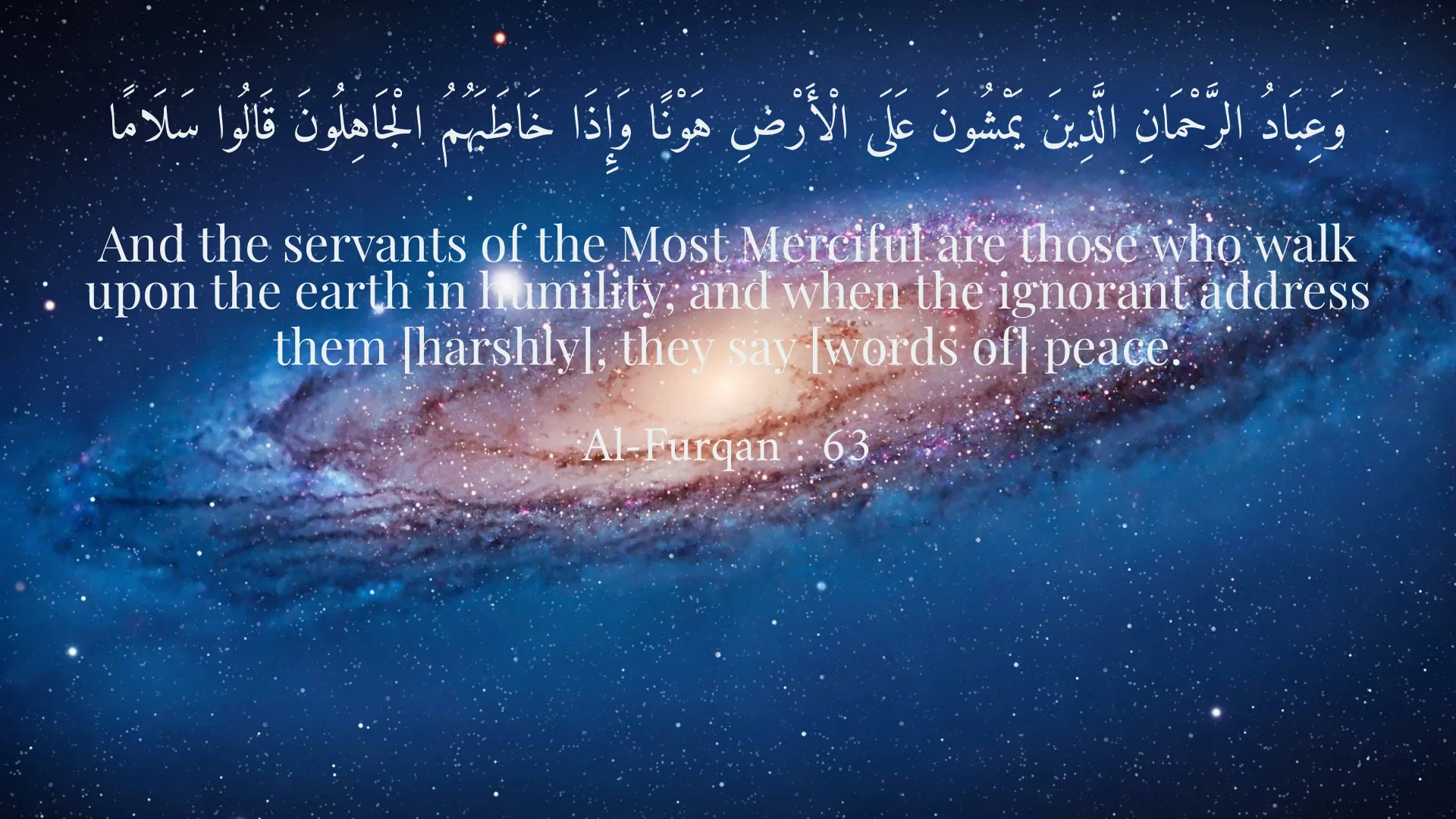
Humility is often overlooked in today's fast-paced and competitive world, but it remains one of the most important qualities a believer can possess. The Holy Quran, the guiding scripture for Muslims, emphasizes humility as a significant trait of the faithful. Humility is not merely about lower self-esteem or submitting to others; rather, it is an inward quality that reflects a deep understanding of one's own limitations and the greatness of God. This article explores the various aspects of humility as depicted in the Quran, discussing its significance, role in interpersonal relationships, and the spiritual rewards associated with embodying this essential trait. In Surah Al-Furqan, verse 63, Allah describes the characteristics of His righteous servants: 'And the servants of the Most Merciful are those who walk upon the earth in humility, and when the ignorant address them [harshly], they say [words of] peace.' This verse serves as a reminder that true believers embody humility in their attitudes and behaviors. They approach others with kindness and respect, regardless of how they are treated. When confronted with harsh words or ignorance, they respond with peace and tranquility rather than anger or arrogance. This response illustrates how humility can transform potential conflicts into opportunities for grace and understanding, reinforcing positive social interactions. The emphasis on humility in this verse prompts followers of Islam to reflect on their behavior towards others. One’s walk upon the earth symbolizes not only physical movement but also one's manner of conduct and presence in society. By walking in humility, individuals can cultivate an atmosphere of respect and goodwill that enables them to engage meaningfully with those around them. To live humbly is to recognize the inherent dignity in every person, fostering relationships built on empathy rather than superiority. Moreover, Surah Al-Imran, verse 133, further illustrates the importance of humility in the believer’s social conduct. Allah states: 'And those who restrain anger and who pardon the people.' These two actions encapsulate humility in relationships; it requires strength of character to control one's anger and to forgive those who have wronged us. This duality underscores a vital aspect of humility—it is not a passive quality, but rather active and deliberate, requiring one to cultivate patience and compassion. When individuals embrace humility, they can achieve greater inner peace. A humble person understands their limitations and, therefore, does not become easily hurt or offended. They do not perceive themselves as superior to others, thus freeing themselves from the burden of pride. Instead, they recognize their shared humanity with others, which promotes a sense of connection and community. This inner peace translates into healthier relationships, as a humble person is more likely to listen, empathize, and be present with others. The Quran also offers profound lessons through the example of Prophet Solomon, as highlighted in Surah An-Naml, verse 37. Despite being a king and a prophet endowed with immense wisdom and power, Solomon demonstrated humility in his interactions and decisions. His story reminds believers that leadership and authority do not grant a license for arrogance. Instead, true leaders are those who acknowledge their responsibilities and are conscious of their reliance on God’s guidance. This example stands as a powerful testament to the idea that humility enhances leadership, leading to just and ethical governance. The importance of humility is not confined to mere behavioral expectations; it also has significant spiritual implications. The Quran repeatedly emphasizes that humility brings believers closer to the Almighty God. In the grand scheme of existence, human beings are but a small fraction of creation. Humility allows believers to surrender their egos and recognize their dependence on God, fostering an intimate relationship with their Creator. Moreover, humility plays a pivotal role in the process of repentance and seeking forgiveness. A humble heart acknowledges its shortcomings and desires to uplift itself through sincere repentance. It is through this genuine humility that believers can experience spiritual growth and progress towards righteousness. In concluding this exploration of humility in the Quran, it is vital to understand that humility is a multifaceted quality that intertwines with other virtuous traits such as patience, forgiveness, and compassion. The teachings within the Quran encourage believers to practice humility as a means of enhancing their spiritual journey and moral character. By embracing humility, individuals can navigate the complexities of their lives with grace, fostering relationships grounded in respect and understanding. As believers strive to cultivate humility, they are better equipped to face the trials and tribulations of life with strength and poise. Ultimately, humility is not merely a characteristic to aspire towards; it is a means of attaining a life of contentment, a source of divine closeness, and a pathway to true greatness in the eyes of God. Through humility, believers can fulfill their purpose on earth, becoming beacons of light that guide others toward righteousness and peace.
Related Verses
وَعِبَادُ الرَّحْمَانِ الَّذِينَ يَمْشُونَ عَلَى الْأَرْضِ هَوْنًا وَإِذَا خَاطَبَهُمُ الْجَاهِلُونَ قَالُوا سَلَامًا
And the servants of the Most Merciful are those who walk upon the earth in humility, and when the ignorant address them [harshly], they say [words of] peace.
Al-Furqan : 63
وَسَارِعُوا إِلَى مَغْفِرَةٍ مِّن رَّبِّكُمْ وَجَنَّةٍ عَرْضُهَا كَعَرْضِ السَّمَاء وَالْأَرْضِ أُعِدَّتْ لِلْمُتَّقِينَ
And hasten to forgiveness from your Lord and a garden as wide as the heavens and the earth, prepared for the righteous.
Al-Imran : 133
إِنَّمَا يُؤْمِنُ بِآيَاتِنَا الَّذِينَ إِذَا ذُكِّرُوا بِهَا خَرُّوا سُجَّدًا وَسَبَّحُوا بِحَمْدِ رَبِّهِمْ وَهُمْ لَا يَسْتَكْبِرُونَ
Indeed, only those who believe in Our verses are those who, when reminded of them, fall down in prostration and exalt [Allah] with praise of their Lord, and they are not arrogant.
An-Naml : 37
Short Story
One day, a man named Salim went to the market and encountered a person of high social status. Instead of treating him with arrogance, he spoke to him with respect and humility, recalling his father's advice: 'Never think of yourself as greater than others.' This humble interaction ensured that Salim was always respected by others and fostered good relationships with everyone.