Quranic Answer
The Importance of the Heart in the Holy Quran The concept of the heart holds a significant place in the Holy Quran, serving as the epicenter of emotions, intentions, and beliefs. This conception allows for a deeper understanding of faith and highlights the vital connection between humanity and the Divine. The Quran employs various verses to draw attention to the heart's role in spiritual development and the cultivation of a genuine relationship with God. In this article, we will explore the significance of the heart as depicted in the Quran and reflect on how it impacts our faith and conduct. At the very core of understanding the heart in the Quran, we encounter Surah Al-Ahzab (33:24), which states: 'That Allah may reward the truthful for their truth and punish the hypocrites if He wills or accept repentance from them. Indeed, Allah is Forgiving and Merciful.' This particular verse underscores the importance of sincerity and truthfulness in the human heart. Here, God explicitly regards the inner motivations and intentions within individuals. True faith originates not from outward appearances or mere declarations but from an authentic state of the heart. Sincerity in one’s beliefs translates into a form of worship that is most pleasing to God. The mention of God's willingness to forgive also emphasizes that the heart, despite its imperfections, can always return to Him through repentance, showcasing His endless mercy. The Quran goes further to establish the idea of a healthy heart as one that is free from the diseases of doubt and hypocrisy. This is prominently found in Surah Al-Baqarah (2:10), which states, 'In their hearts is disease, so Allah has increased their disease.' This verse serves as a cautionary note, stressing the significance of nurturing a sound heart to uphold one’s faith. A heart riddled with doubts and misbeliefs creates barriers that hinder spiritual growth, thereby leading the individual astray. The stark contrast between a pure heart and a diseased heart elucidates the necessity of self-examination and introspection in the journey of faith. Individuals are encouraged to continually assess their intentions and beliefs, ensuring they maintain a trajectory towards righteousness and spiritual clarity. In Surah Luqman (31:22), another essential aspect of the heart is highlighted: 'And whoever associates others with Allah has certainly gone far astray.' This verse signifies the profound danger of polytheism and misguidance, particularly emphasizing the clarity needed within the heart to understand and connect with God. The act of associating others with Allah—a grave sin in Islam—stems from a heart that is clouded by ignorance and misapprehension. Thus, fostering a heart that recognizes the Oneness of God is pivotal in achieving a pure and upright faith. Connecting with God requires not just a verbal affirmation but also an inner awareness—a deep-seated feeling in the heart that aligns with the essence of monotheism. By nurturing this connection, believers cultivate a relationship with God that is founded firmly on sincerity and devotion. In the Quran, the heart is also depicted as a vessel of wisdom, understanding, and enlightenment—a theme deeply embedded in the teachings of many verses. For instance, the Qur'anic narrative often refers to the illumination of the heart through divine guidance and knowledge. A heart that seeks understanding is one that is receptive to the messages of God and the essence of His teachings. In a spiritually thriving context, the heart acts as a compass, guiding individuals on their path in life and ensuring they navigate through challenges while adhering to virtues. The Quran emphasizes this illuminating quality of the heart, asserting that divine guidance leads to a fulfilling and meaningful existence. Spirituality in Islam intricately intertwines with the heart. The Quran’s depiction of the heart reminds Muslims that spiritual growth requires dedicated effort in nurturing their faith, understanding their intentions, and continually purifying their hearts from negativity, doubt, and sin. It becomes apparent that a sound heart is a foundation upon which true faith is built, allowing believers to flourish spiritually. To strengthen the heart, one must engage in various forms of worship, such as prayer, reflection, and connection with the community. The practice of remembrance (Dhikr) assists in uplifting the heart, reinforcing a constant awareness of God’s presence in one’s life. This practice illuminates the heart and fosters a deeper understanding of divine attributes, facilitating a more profound relationship with the Creator. Additionally, it is crucial for believers to foster an environment that supports spiritual growth. Engaging with enlightening literature, attending religious gatherings, and surrounding oneself with sincere individuals emphasizes the importance of a conducive atmosphere for strengthening one’s heart and faith. Ultimately, cultivating a sound heart aligns with personal growth, encouraging individuals to embrace honesty, empathy, and compassion. In conclusion, the heart stands as a significant theme within the Holy Quran, representing the essence of human emotions, intentions, and beliefs. The Quran’s teachings, as evident in many verses, depict the need for a sound heart filled with sincerity and clarity in order to maintain a robust faith. Embracing this perspective on the heart inspires individuals to nurture their spiritual relationships, guiding them to remain steadfast on the righteous path and away from the pitfalls of doubt and misguidance. As the Quran illuminates the importance of the heart, it ultimately calls for believers to transcend mere ritualistic practice, inviting them into a meaningful connection with God—a journey that begins and flourishes in the heart.
Related Verses
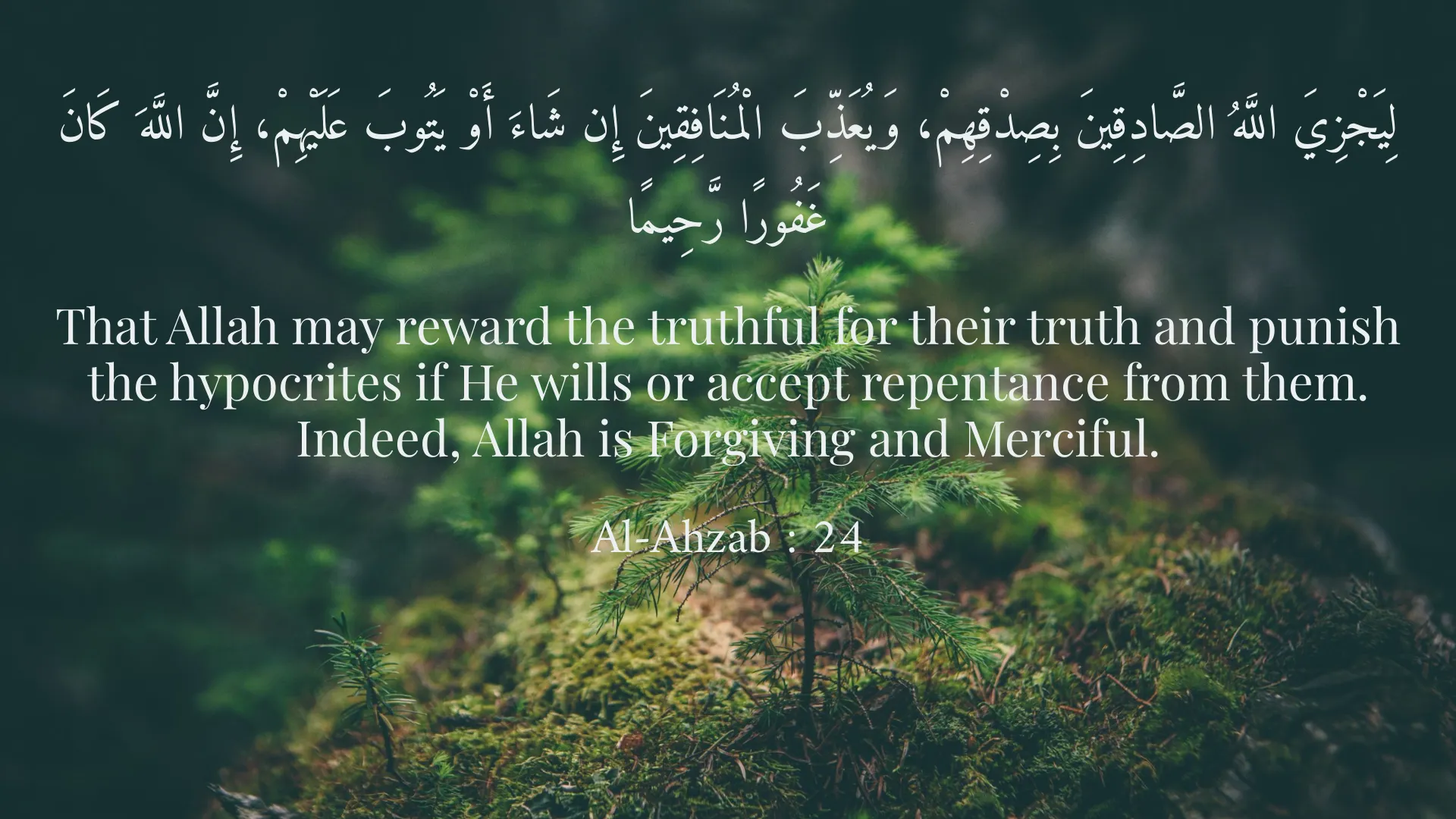
لِيَجْزِيَ اللَّهُ الصَّادِقِينَ بِصِدْقِهِمْ، وَيُعَذِّبَ الْمُنَافِقِينَ إِن شَاءَ أَوْ يَتُوبَ عَلَيْهِمْ، إِنَّ اللَّهَ كَانَ غَفُورًا رَّحِيمًا
That Allah may reward the truthful for their truth and punish the hypocrites if He wills or accept repentance from them. Indeed, Allah is Forgiving and Merciful.
Al-Ahzab : 24
وَمَن يَشْرِكَ بِاللَّهِ فَقَدْ ضَلَّ ضَلَالًا بَعِيدًا
And whoever associates others with Allah has certainly gone far astray.
Luqman : 22
فِي قُلُوبِهِم مَّرَضٌ فَزادَهُمُ اللَّهُ مَرَضًا
In their hearts is disease, so Allah has increased their disease.
Al-Baqarah : 10
Short Story
One day, a young man named Ali decided to water his garden. He looked at his plants and noticed that despite good watering, they were still sick. He wondered, 'Why?' Then he remembered the verses of the Quran that say, 'The health of the heart comes from faith.' Ali decided to take some time each day to pray and trust in God. He felt tranquility and love in his heart, and his plants returned to their natural state.