Quranic Answer
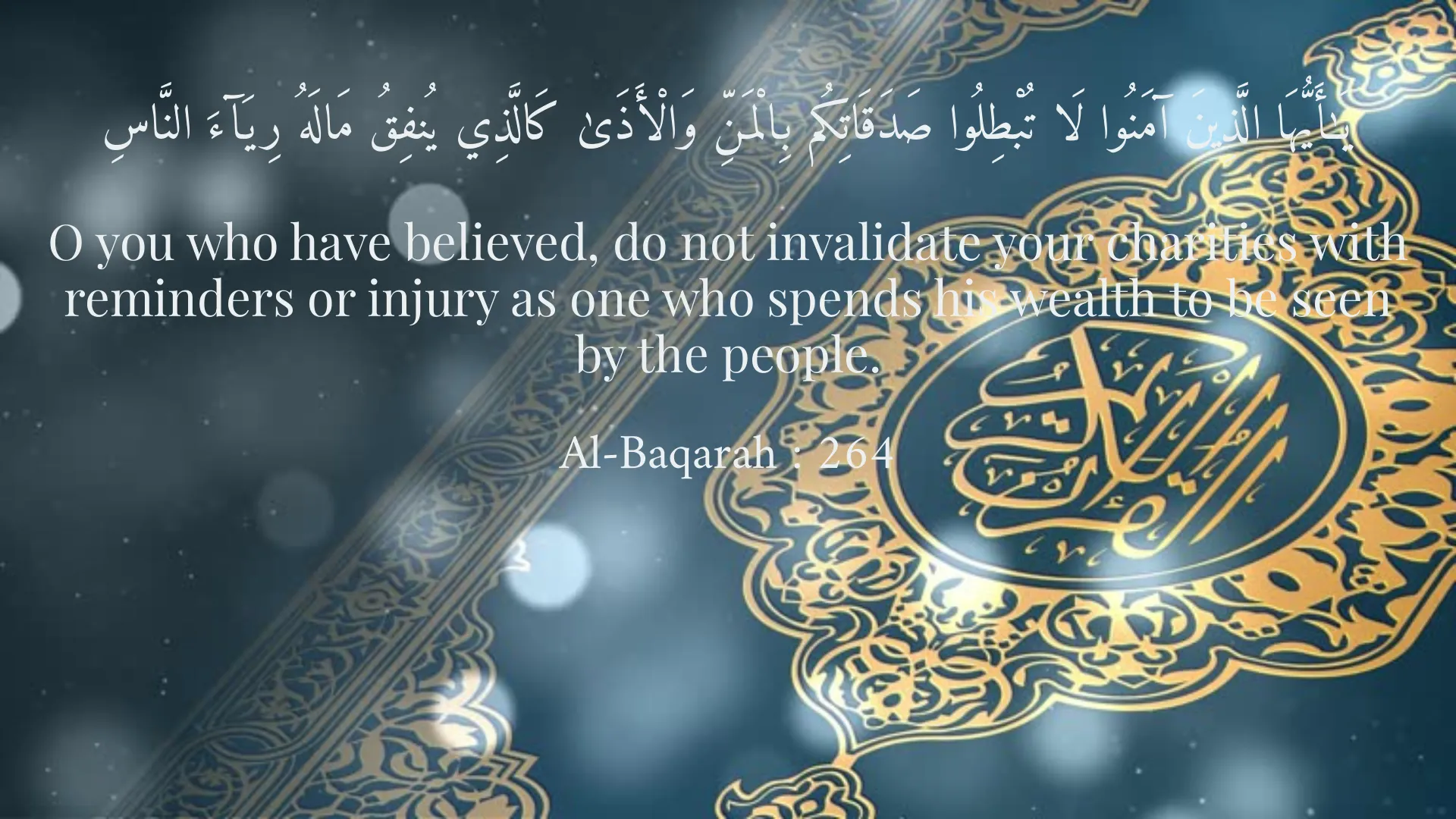
In the Holy Quran, the issue of showing off in worship is not merely a casual admonition but rather a significant concern that is strongly condemned. This issue is regarded as one of the greatest pitfalls and dangers for the faith of believers. The concept of sincerity in worship forms the backbone of a Muslim's relationship with Allah, and any form of ostentation undermines not only the act itself but also the very foundation of faith. With this in mind, it is essential to explore the consequences of showing off in worship and to articulate the Quranic guidance that addresses this issue unequivocally. ### The Quranic Perspective on Showing Off in Worship One of the most salient references to this topic can be found in Surah Al-Baqarah, verse 264. Allah states: "O you who have believed, do not invalidate your charities with reminders or injury as one who spends his wealth to be seen by the people..." This verse conveys a clear message that the intention behind our acts of worship plays a critical role in determining their value and standing before Allah. The verse posits that engaging in acts of worship, with the ulterior motive of gaining public recognition, leads to the ultimate destruction and invalidation of that worship. The implications of this verse extend beyond mere religious observance; they touch upon the essence of one’s relationship with Allah. When acts of worship are executed with the intention to impress others, they lose their spiritual integrity and are devoid of true purpose. This thought is further deepened in Surah Al-Mu’minun, with verses 1-2 stating, "Successful indeed are the believers, those who are humble in their prayers." Here, Allah draws a direct connection between humility in prayer and authentic faith, thereby emphasizing that genuine worship must stem from a place of sincerity and devotion, free from any desires for worldly acclaim. ### The Dangers of Insincerity in Worship Showing off in worship is more than just an act of vanity; it represents a significant spiritual impediment. It creates a division between the believer and Allah, distancing one from divine mercy and blessings. When an individual prioritizes the opinion of others over the pleasure of Allah, it becomes a manifestation of arrogance and pride—qualities that are fundamentally discordant with Islamic teachings. Moreover, the act of worship is intended to be a means of drawing closer to Allah, a collaborative journey that nurtures the soul. However, when one's intentions are tainted by a desire for recognition, the validity of that journey is severely compromised. The critical issue of sincerity is emphasized repeatedly throughout the Quran, serving as a reminder to the faithful about the fundamental essence of worship: it must always be directed solely towards Allah. ### The Role of Intention in Worship Professor Ashwari, in his analytical exploration of this issue, delves into the importance of intention. He suggests that sincere worship transcends superficial appearances and is deeply rooted in the heart's purity and the intention behind the act. In Islam, actions are judged by intentions, as stated in a well-known hadith of the Prophet Muhammad (peace be upon him): "Actions are judged by intentions, and each person will be rewarded according to what they intended." This principle underlines the urgency for believers to cultivate a clear and focused intention every time they embark on an act of worship. Whether it is prayer, charity, or fasting, the heart must remain steadfast in its commitment to Allah’s pleasure. This inward focus fosters authenticity, ensuring that worship is not diluted by the perils of showing off. ### Vigilance in Worship In striving to perform acts of worship solely for Allah, believers must maintain a sense of vigilance against the temptations of showing off. It requires continuous self-examination and reflection. Engaging in personal accountability through practices such as self-critique and sincere supplication can fortify the resolve against falling into this critical pitfall. It is also advisable for individuals to surround themselves with a supportive community that encourages sincere worship while holding each other accountable. Islamic teachings underscore the importance of sincerity not only in individual worship but also within the community. It fosters an environment where individuals are motivated to uplift one another spiritually rather than engage in comparisons or displays of piety for social validation. ### The Blessings of Sincere Worship When acts of worship are conducted with the right intention, the blessings and mercy of Allah are abundant. Individuals who engage in sincere worship cultivate a profound connection with their Creator, leading to enhanced spiritual and emotional well-being. Sincere worship provides comfort and stability in times of hardship while also amplifying gratitude during moments of joy. Moreover, the act of worship is inherently transformative. A heart that directs its devotion sincerely towards Allah evolves to embody the teachings and virtues espoused in Islam. It nurtures compassion, humility, and service to others, resulting in a cycle of positivity that benefits not only the individual but the broader community. ### Conclusion In conclusion, the issue of showing off in worship is a salient concern addressed thoroughly in the Holy Quran, serving as a critical reminder for believers to align their intentions with the purpose of worship. By internalizing the teachings of sincerity championed within the Quran, as elucidated in various verses and illuminated by scholars such as Professor Ashwari, Muslims can safeguard their faith from the perils of vanity and ultimately nurture a more profound relationship with Allah. Thus, it is essential for believers to remain vigilant and ensure that every act of worship is genuinely performed for the sake of Allah, enabling them to benefit from His boundless blessings and mercy.
Related Verses
يَٰأَيُّهَا الَّذِينَ آمَنُوا لَا تُبْطِلُوا صَدَقَاتِكُم بِالْمَنِّ وَالْأَذَىٰ كَالَّذِي يُنفِقُ مَالَهُ رِيَآءَ النَّاسِ
O you who have believed, do not invalidate your charities with reminders or injury as one who spends his wealth to be seen by the people.
Al-Baqarah : 264
قَدْ أَفْلَحَ الْمُؤْمِنُونَ
Certainly will the believers have succeeded.
Al-Mu’minun : 1
الَّذِينَ هُمْ فِي صَلَاتِهِمْ خَاشِعُونَ
Who are during their prayer humbly submissive.
Al-Mu’minun : 2
Short Story
One day, a man went to the market, wishing to buy the best and most beautiful clothes for prayer so that everyone would notice him when he goes to the mosque. However, along the way, he thought of a verse from the Quran that enlightened his mind: 'Showing off in worship invalidates the action.' He decided to pray only for Allah's sake, not for the attention of others. With this decision, he felt a deep sense of peace and his prayers were performed with greater sincerity.