Quranic Answer
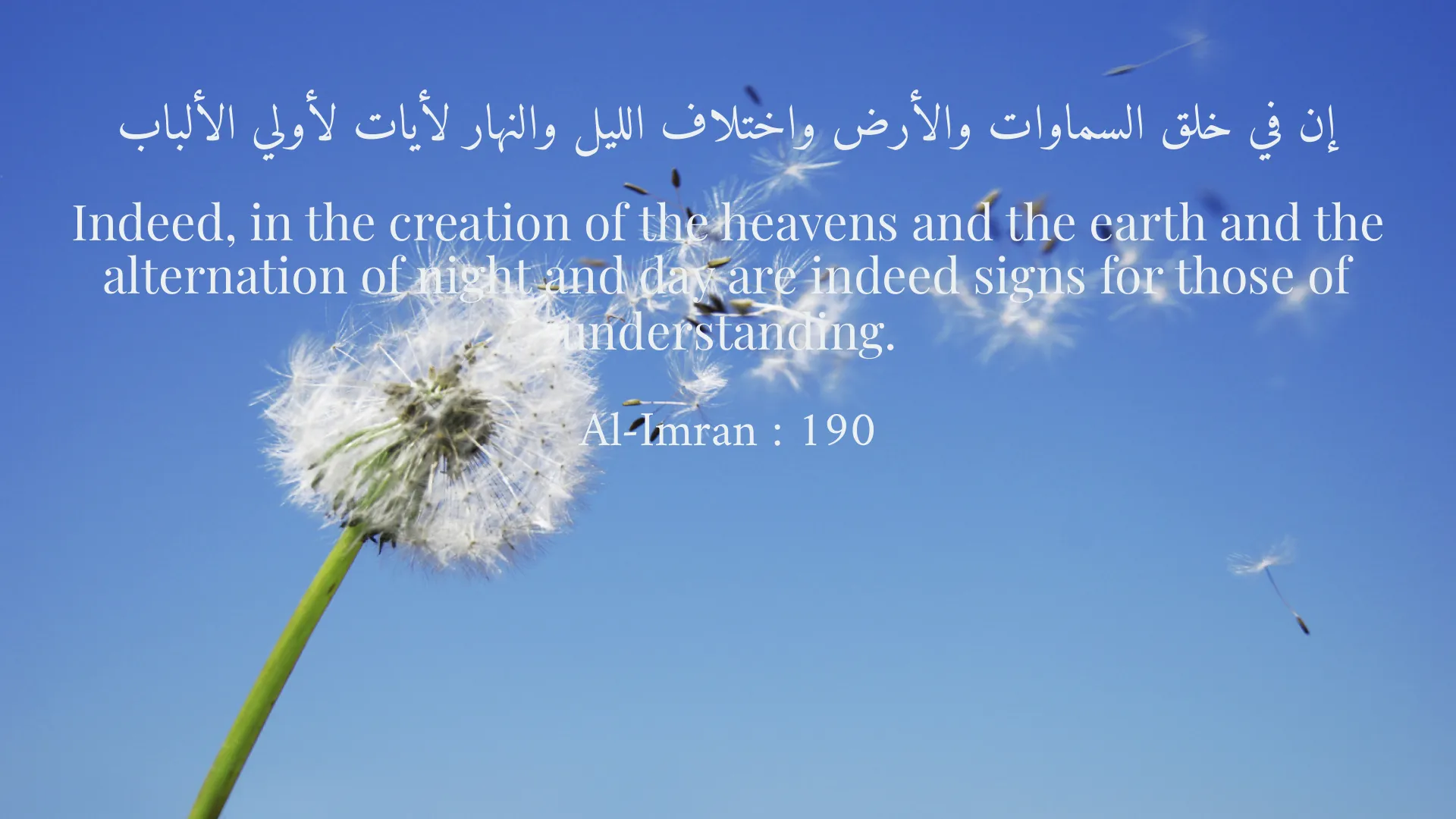
In Islam, thinking and reasoning are not merely encouraged; they are viewed as essential traits that define human beings. This perspective is reinforced throughout the Holy Quran, where Allah repeatedly emphasizes the importance of reflection and rational thought. The Quran serves not just as a spiritual guide but also as a roadmap for intellectual engagement with the world and our place in it. Among the many verses dedicated to the enhancement of understanding and critical thinking, Surah Al-Imran, verse 190, stands out: 'Indeed, in the creation of the heavens and the earth and the alternation of night and day are indeed signs for those of understanding.' This profoundly significant verse compels us to reflect on the signs of God entrenched in nature and encourages us to draw meaningful lessons from them. At its core, the invitation to think and reason is an implicit challenge to humanity to engage with the world actively, rather than passively accepting beliefs and narratives handed down through generations. The wonders of nature, the complexity of the universe, and the intricacies of human life themselves are reflections of divine knowledge waiting to be unraveled. Through contemplation of these phenomena, we not only gain a better understanding of our existence but also cultivate a sense of appreciation for the Creator's wisdom. Furthermore, in Surah Muhammad, verse 24, Allah states: 'Then do they not reflect upon the Quran, or are there locks upon their hearts?' This verse brings to light the potential barriers that can hinder our understanding and engagement with the divine text. Rather than merely reciting the Quran, this injunction urges us to delve deeper, investigate the meanings behind the verses, and understand their relevance to our lives. Ignoring this fundamental aspect of Islam can lead to misinterpretations and an incomplete understanding of the faith, resulting in challenges and uncertainties along the spiritual journey. The call to think and reason becomes especially poignant in today’s world, where decisions must be made based on a plethora of information and competing narratives. In this age of information overload, honing our critical thinking abilities is ever more crucial. By engaging our reasoning faculties, we can better navigate the challenges we encounter in everyday life. The necessity of employing our intellect becomes paramount in order to make informed decisions that align with our spiritual beliefs and ethical values. Moreover, the Quran consistently urges believers to engage in thoughtful consideration of various matters. This includes not only the contemplation of natural phenomena and divine signs but also the reflection on one’s personal behaviors, social interactions, and moral dilemmas. The act of thinking is intrinsically connected to the concept of accountability, as it fosters an understanding of the choices we make and their consequences, both in this life and the hereafter. Practicing thoughtful deliberation leads to a more enlightened way of living. When we embrace a mindset of inquiry and reflection, we cultivate a deeper sense of awareness about the world and ourselves. This journey toward self-awareness is essential for personal development and growth, enabling individuals to break free from preconceived notions and biases. It allows for the embracing of new ideas, perspectives, and more comprehensive understandings of the faith, leading to a richer spiritual life. Moreover, the integration of thinking and reasoning into our daily lives empowers individuals in their roles as leaders and contributors to society. In Islam, the quest for knowledge is not just an individual endeavor; it carries communal implications. The teachings of Islam encourage us to share what we learn, fostering an environment where collective wisdom can thrive. When individuals apply their intellect in thoughtful discussions, they contribute to societal progress and encourage an atmosphere of mutual respect and understanding. At a broader level, societal progress hinges upon the application of reason and intellect in addressing contemporary issues like poverty, injustice, inequality, and environmental concerns. Believers are urged to be actively involved in seeking solutions that are not only beneficial to themselves but also to their communities. The Quran’s emphasis on faith coupled with reason creates a balanced framework from which individuals can approach the complexities of modern life. In conclusion, the imperative of thinking and reasoning in Islam is a multifaceted principle that shapes our understanding of existence, the universe, and each other. The verses of the Quran implore us to engage in reflective thought while grounding our actions in wisdom and discernment. It is our responsibility as individuals to embrace this call to intellectual engagement, ensuring that we think critically, act justly, and strive for a life enriched with purpose and meaning. By emphasizing the importance of reason in our spiritual journey, Islam guides us not just toward faith but also towards a deeper understanding of the world in which we live. To ignore this divine directive would not only limit our growth but also distance us from the clarity and guidance that the teachings of Islam have to offer.
Related Verses
إن في خلق السماوات والأرض واختلاف الليل والنهار لأيات لأولي الألباب
Indeed, in the creation of the heavens and the earth and the alternation of night and day are indeed signs for those of understanding.
Al-Imran : 190
أفلا يتدبرون القرآن أم على قلوب أقفالها
Then do they not reflect upon the Quran, or are there locks upon their hearts?
Muhammad : 24
Short Story
One day, a man sat on a mountain, observing the world around him. He wondered why everything was moving so simply and why he should think more deeply. At that moment, he recalled the Quranic verses that invite us to reflect on God’s signs. He decided to dedicate time each day to think about creation and learn lessons from it.