Quranic Answer
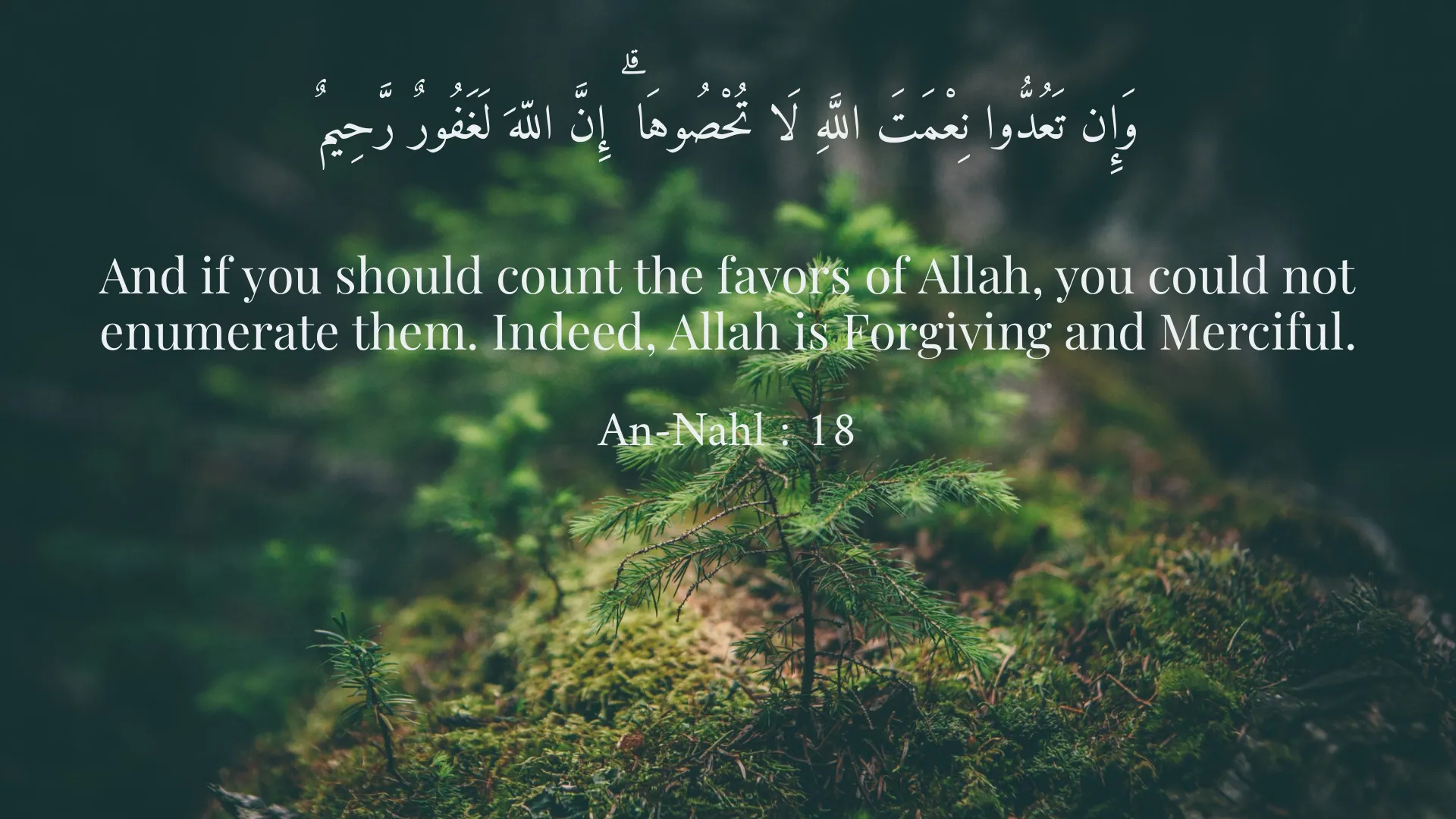
The concept of gratitude and humility is deeply rooted in the teachings of the Holy Quran. It serves as a guiding principle for believers, emphasizing the importance of recognizing God’s benevolence while steering clear of the pitfalls of arrogance. These themes are intricately woven into the fabric of Islamic teachings, urging individuals to acknowledge their blessings and maintain a humble demeanor in their lives. This paper delves into the significance of these values within the Quranic context, exploring specific verses that highlight the need for gratitude and humility and discussing how an attitude of thankfulness can lead believers towards a fulfilling spiritual journey. ### Understanding the Nature of Blessings Allah’s blessings are myriad and encompass every aspect of existence. From the breath of life to the comforts of daily sustenance, each moment can be seen as a gift. In Surah An-Nahl, verse 18, Allah states, 'And if you should count the favors of Allah, you could not enumerate them. Indeed, Allah is Forgiving and Merciful.' This profound verse underscores the idea that human beings are often unaware of the totality of their blessings. The arrogance that some may feel regarding their possessions or status stems from a fundamental misunderstanding of these blessings. When individuals consider their achievements or possessions as purely a result of their own efforts, they begin to foster a sense of arrogance. They may think, 'I deserve this because I worked hard,' neglecting the divine source of their blessings. This attitude, according to Islamic teachings, can lead to moral decay and separate an individual from the essence of faith and spirituality. Therefore, it’s essential for believers to mitigate any inclinations towards arrogance by consistently reflecting on the countless gifts Allah has bestowed upon them. Acknowledging these gifts promotes a sense of gratitude that is essential for spiritual growth. ### The Invitation to Humility Humility is a core principle that runs parallel to gratitude in the Quran. Surah Az-Zumar, verse 67, states that on the Day of Judgment, people will realize the vastness of God's power and understand that all blessings are from Him. This reminder serves to instill humility among believers, compelling them to bow before the divine. The recognition of God’s greatness naturally fosters humility, promoting a more profound relationship between the believer and their Creator. When individuals maintain an attitude of humility, they are better positioned to value the contributions and circumstances of others. This selflessness not only enhances interpersonal relationships but also enriches one’s spiritual journey. It is through recognizing the shared human experience and the blessings within it that believers can cultivate a connection with their community and deepen their faith. ### Arrogance: A Dangerous Trap Arrogance, often seen as a façade of confidence, is viewed within Islamic teachings as a significant moral failing. It clouds judgments and distorts one’s perception of reality. Pride in one’s abilities or possessions can alienate individuals from their faith, leading them away from the path of righteousness. An arrogant heart denies the interdependence and shared experiences among humanity, fostering divisiveness rather than unity. Moreover, arrogance can breed negativity and resentment, causing individuals to look down upon others. In contrast, gratitude encourages a spirit of appreciation towards not only God but also fellow human beings. By fostering an environment that values humility and gratitude, believers cultivate an atmosphere of support and positivity, drawing closer to God and to one another. ### Cultivating a Spirit of Gratitude To cultivate a spirit of gratitude, one must engage in consistent self-reflection and recognize the multitude of blessings present in their lives. This can be achieved through regular prayer and supplication, acknowledging Allah’s favors, and expressing thanks in daily conversations. By actively engaging in acts of gratitude, such as helping those in need or volunteering within the community, individuals reinforce their understanding of blessings and their duty to share those blessings with others. Furthermore, maintaining a journal to document daily blessings can serve as a practical tool. Regularly noting down moments of thankfulness allows individuals to develop a habit of recognizing blessings in everyday life, thus steering them away from negative emotions associated with arrogance or entitlement. ### The Spiritual Connection with God Ultimately, the combination of humility and gratitude strengthens a believer’s connection with God. By refraining from arrogance and nurturing a heart filled with thanks, individuals draw closer to their Creator and gain a clearer understanding of life’s purpose. The interplay of gratitude and humility is a transformative journey that leads to deeper spiritual insights, fostering a sense of peace and fulfillment. As believers navigate their lives, they consistently encounter challenges, successes, and setbacks. By embracing humility in the face of success and gratitude amidst hardship, individuals can rise above the trials of life with grace. This approach not only enhances personal well-being but also uplifts others, creating a supportive community unified by shared faith and values. ### Conclusion In conclusion, the teachings of the Holy Quran emphasize the paramount importance of gratitude and humility as fundamental traits for all believers. Guided by the verses of Surah An-Nahl and Surah Az-Zumar, individuals are encouraged to refrain from pride and cultivate a deep sense of appreciation for Allah’s blessings. As believers strive to practice these virtues, they open themselves to a life filled with grace, compassion, and spiritual fulfillment. Cultivating gratitude and embracing humility not only protect individuals from the perils of arrogance but also foster a stronger connection with Allah and a better understanding of life’s myriad blessings. Such values are essential for thriving both personally and collectively within the community, ultimately leading to a more harmonious existence in this world and the Hereafter.
Related Verses
وَإِن تَعُدُّوا نِعْمَتَ اللَّهِ لَا تُحْصُوهَا ۗ إِنَّ اللّهَ لَغَفُورٌ رَّحِيمٌ
And if you should count the favors of Allah, you could not enumerate them. Indeed, Allah is Forgiving and Merciful.
An-Nahl : 18
وَإِذَا ذُكِرَ اللّهُ وَحْدَهُ اشْمَأَزَّتْ قُلُوبُ الَّذِينَ لَا يُؤْمِنُونَ بِالْآخِرَةِ وَإِذَا ذُكِرَ الَّذِينَ مِن دُونِهِ خَرَّوا سُجَّدًا وَرَأُوا وَلَذَاذَةَ ذَلِكَ
And when Allah is mentioned alone, the hearts of those who do not believe in the Hereafter shrink with disgust, but when those besides Him are mentioned, immediately they rejoice.
Az-Zumar : 67
Short Story
Once upon a time, a man named Muhammad was contemplating his wealth and possessions. He was always thinking about how much riches he had and how to show this wealth to others. But one day, he remembered a verse from the Quran that stated: 'If you should count the favors of Allah, you could not enumerate them.' From that day on, he made an effort to excel in gratitude to God and to avoid pride over his possessions. This shift in his mindset not only gave him greater inner peace but also helped him cultivate better relationships with his family and friends.