Quranic Answer
In the Holy Quran, the concept of good deeds is an integral part of the moral framework that guides the lives of Muslims. The importance and virtue of performing good deeds are emphasized numerous times throughout the sacred text, serving as a reminder for believers to engage in acts that not only bring personal satisfaction but also benefit society as a whole. This essay will delve into the significance of good deeds as outlined in the Quran, the consequences of delaying righteous actions, and the overarching purpose of human life as it relates to the performance of these deeds. One of the most compelling reasons to not delay in performing good actions is found in the explicit commands from Allah in the Quran. In Surah Al-Imran, verse 133, Allah states, 'And hasten to forgiveness from your Lord.' This verse is a direct call for believers to rush towards good deeds, reinforcing the idea that such actions are not merely optional but rather essential for spiritual growth and divine favor. The urgency conveyed in this verse signifies that performing good deeds benefits oneself, both materially and spiritually. By taking swift action towards compassion and righteousness, individuals can experience a profound sense of fulfillment that comes from making a positive impact in the lives of others. Moreover, in Surah Al-Mu’minun, verse 60, Allah emphasizes, 'And indeed, the doers of good are in success.' This particular verse underscores the significance and virtue of those who commit themselves to righteous deeds. Success, as defined by the Quran, is not limited to worldly achievements or material wealth; rather, it extends to spiritual fulfillment and harmony with one’s purpose. Those who actively seek out opportunities for good are reassured that their efforts will not go unnoticed, further motivating them to engage in virtuous actions. Delaying good deeds can come with regrettable consequences. When one postpones doing good, they are not just wasting time; they are also leaving room for doubt and hesitation to creep into their minds. This indecision might lead to losing crucial opportunities that may not present themselves again. Every moment in life is fleeting, and the window of opportunity for performing good deeds can close unexpectedly. The Quran emphasizes that human life is fragile and transient, which is a reminder to seize every moment for the enactment of good actions. One may wonder, why is it that these opportunities to perform good deeds are often missed? The answer lies in the unpredictable nature of life. Understanding that it is our responsibility to be proactive in doing good is an essential aspect of Islamic teaching. The Quran presents good deeds as golden opportunities, flowing like wealth into one’s life, which should not be squandered. Engaging in charitable actions, acts of kindness, and volunteering not only uplifts the community but also acts as a means of personal development for the individual. The Quran further reveals that the consequences of delaying good actions can often manifest as missed chances to better oneself and contribute to society. Performing good deeds offers a dual benefit; it enhances one's spiritual standing while also nurturing a healthier, more cohesive community. Acts of kindness create ripples of goodwill, fostering an environment where compassion thrives and individuals feel motivated to uplift one another. Thus, acting on the call to perform good deeds not only meets the needs of the present moment but also contributes to a flourishing social ecosystem. As believers, it’s crucial to understand that performing good deeds contributes to forming a closer bond with one’s life purpose. Every act of kindness is a reflection of one’s faith, allowing individuals to channel their spiritual beliefs into tangible actions that resonate within themselves and their communities. The Quran guides followers on this journey, leading them toward a life of purpose and meaning, one small good deed at a time. Furthermore, the significance of performing good deeds also encompasses preparing oneself for the afterlife. The Quran often highlights the transient nature of worldly life, advising individuals to invest in good deeds as a form of provision for the hereafter. Surah Al-Baqarah, verse 273, states, 'And spend in the way of Allah, and do good, and make provisions for your soul.' Here, we see how good deeds are articulated as a means of securing spiritual wealth beyond this physical existence. The Quran aims to instill a sense of urgency in preparing for what lies ahead, making it clear that one's actions in this life carry great weight in determining one's fate in the hereafter. In conclusion, the Holy Quran places profound emphasis on the performance of good deeds, urging believers to act swiftly in doing good and to refrain from delaying these righteous actions. By engaging in such deeds, individuals not only benefit in this life but also secure their spiritual well-being for the life to come. The teachings of the Quran regarding good actions are crystal clear: life is uncertain and transient, and every moment should be seized to enact kindness, charity, and compassion. Not only do these acts bring one closer to their ultimate purpose, but they also serve as provisions for the afterlife. In shaping a life anchored in good deeds, believers can aspire to fulfill their destiny as compassionate, responsible members of their communities.
Related Verses
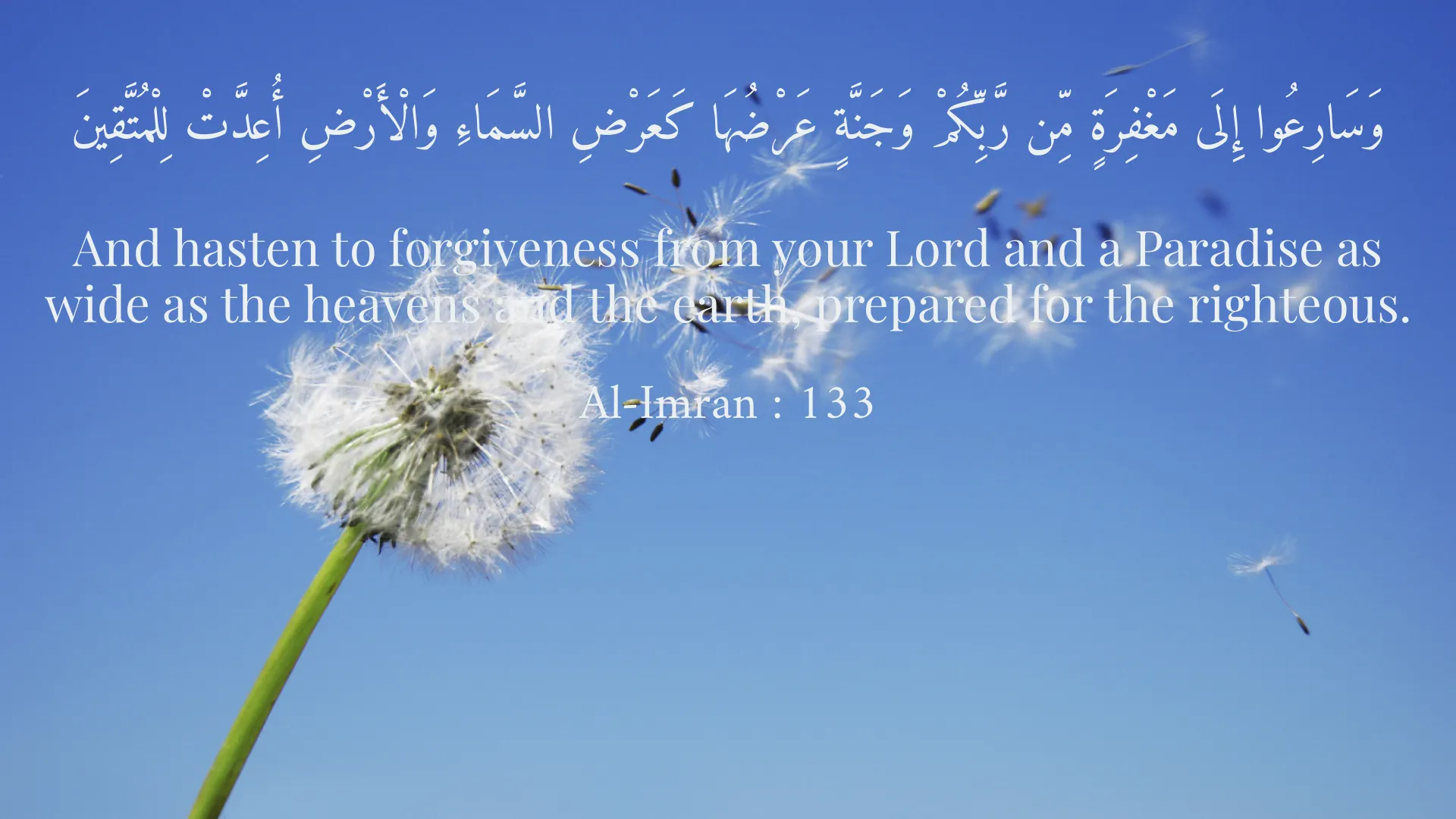
وَسَارِعُوا إِلَى مَغْفِرَةٍ مِّن رَّبِّكُمْ وَجَنَّةٍ عَرْضُهَا كَعَرْضِ السَّمَاءِ وَالْأَرْضِ أُعِدَّتْ لِلْمُتَّقِينَ
And hasten to forgiveness from your Lord and a Paradise as wide as the heavens and the earth, prepared for the righteous.
Al-Imran : 133
وَإِنَّهُ لَمَا أَحْسَنَ ذَٰلِكَ الْمُحْسِنِينَ
And indeed, the doers of good are in success.
Al-Mu'minun : 60
إنما نطعمكم لوجه الله لا نريد منكم جزاء ولا شكورا
We feed you only for the sake of Allah. We wish not from you reward or gratitude.
Al-Insan : 9
Short Story
One day, a man wanted to give charity to a needy person but postponed it. When he opened his door, he noticed that the needy man was sitting right outside, waiting for assistance. This man realized that sometimes opportunities never repeat, and he decided never to delay any good deeds again, as that good act could be the one chance he would never have again.