Quranic Answer
The Necessity and Importance of Knowledge and Education in Islam In the Holy Quran, knowledge and education are highly emphasized, marking them as foundational pillars for the development of individuals and society at large. The significance of acquiring knowledge is not merely a personal choice but is deemed an obligation for all Muslims. The very first revelation received by the Prophet Muhammad (peace be upon him) sets the tone for this pursuit in Surah Al-Alaq, verses 1 to 5, where Allah commands him to "Read!" This instruction is profound; it serves as a universal call to all humanity to embrace learning and exploration. The command to read signifies the first step toward acquiring knowledge and understanding, underscoring that learning is not simply an individual need but a social duty. The Quran reveals that the quest for knowledge should ideally begin from a young age and should be integrated into the lives of Muslims throughout all stages of their existence. This foundational principle underscores that education is not just about academic attainment; it represents a holistic approach to personal and moral development. From these initial verses, it is clear that education in Islam is not confined to religious texts alone but encompasses a wide range of academic and practical disciplines. In Surah Al-Mujadila, verse 9, Allah further accentuates the importance of knowledge, stating, "Allah will raise those who have believed among you and those who were given knowledge by degrees." This verse illustrates that the pursuit of knowledge holds intrinsic value and elevates individuals in the sight of Allah as well as within worldly contexts. Knowledge has the capacity to empower believers, guiding them towards growth and excellence. It equips them with tools to navigate the complexities of life, promotes social justice, and fosters a deeper understanding of the world they inhabit. In today’s rapidly changing world, the need for knowledge and awareness has never been more critical. The modern socio-economic landscape demands individuals who are equipped with knowledge, skills, and competencies that enable not only personal advancement but also contribute to societal progress. Education enhances capabilities, allowing individuals to make informed decisions, engage in meaningful discussions, and participate actively in their communities. Moreover, the issues that plague contemporary societies, such as poverty, inequality, and injustice, call for an educated populace that can advocate for change, develop solutions, and build bridges of understanding. Education in Islam transcends mere literacy and technical skills. It encompasses the formation of character, instilling ethical values, and nurturing a spirit of inquiry. Islamic teachings encourage believers to seek knowledge regardless of their age, gender, or socio-economic background. This inclusive perspective reinforces that everyone has the right to education, and it fosters a culture of lifelong learning. An essential aspect of Islamic education is its focus on equity and inclusivity. Education should empower individuals, ensuring that everyone has the opportunity to succeed in both their personal and social lives. In striving for equitable education, it is crucial to address barriers that hinder access to knowledge, such as socio-economic disparities, geographic location, and cultural biases. By promoting education as a universal right, societies can pave the way for a brighter future, where individuals contribute their unique strengths to community development. Furthermore, the pursuit of knowledge is inherently linked to the broader Islamic principles of justice, compassion, and community service. An educated Muslim is more likely to embody these values, advocating for the rights of others and working towards the common good. This embodies the true essence of Islamic teachings, which emphasize the importance of working together for the betterment of humanity. Moreover, education fosters critical thinking and analytical skills, empowering individuals to challenge stereotypes, engage with diverse perspectives, and contribute to the collective wisdom of society. In doing so, education not only enriches individual lives but also cultivates social harmony and cohesion. In times of conflict or misunderstanding, it is often education that serves as a bridge between different communities, promoting dialogue, empathy, and mutual respect. As we delve deeper into the relationship between education and personal development, it is important to recognize that education serves as a means to self-awareness and spiritual growth. Knowledge enables individuals to reflect on their existence, understand their purpose, and fulfill their roles as responsible citizens. By linking education to spirituality, individuals are more likely to pursue knowledge with the right intention, seeking not only personal gain but also the betterment of society as a whole. In conclusion, the emphasis on knowledge and education in Islam is a profound legacy, urging Muslims to pursue learning throughout their lives. The Quran heralds knowledge as a significant influence in elevating individuals in this world and the hereafter. As we navigate the complexities of the contemporary world, the call for education becomes increasingly urgent. It is imperative to ensure that educational opportunities are accessible, equitable, and rooted in values that promote social responsibility. True education should empower individuals to make meaningful contributions to society, embody the principles of justice and compassion, and collectively strive towards a better world for all. Through these efforts, we can honor the sacred teachings of the Quran and fulfill our responsibilities as seekers of knowledge.
Related Verses
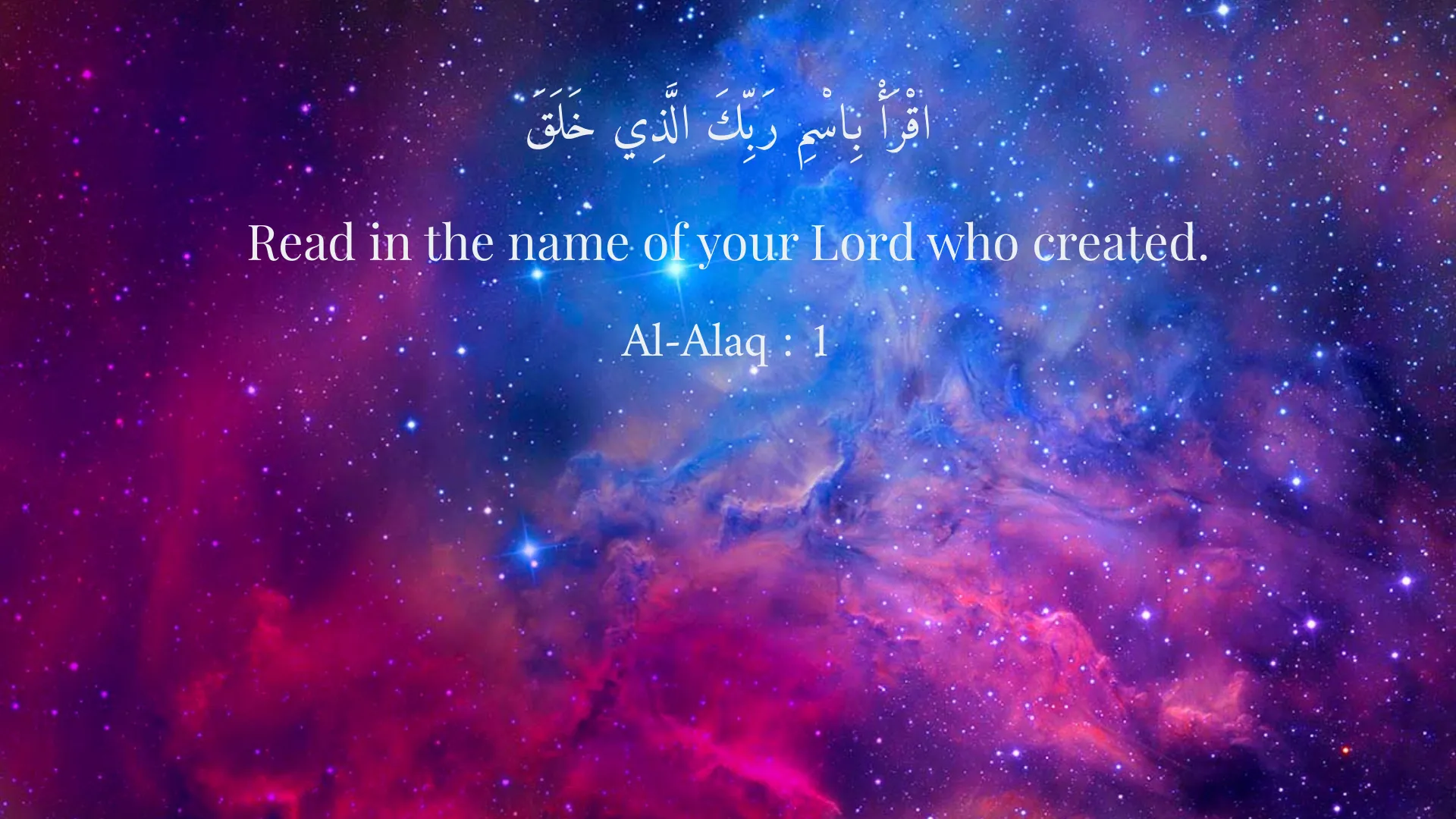
اقْرَأْ بِاسْمِ رَبِّكَ الَّذِي خَلَقَ
Read in the name of your Lord who created.
Al-Alaq : 1
يَرْفَعِ اللَّهُ الَّذِينَ آمَنُوا مِنكُمْ وَالَّذِينَ أُوتُوا الْعِلْمَ دَرَجَاتٍ
Allah will raise those who have believed among you and those who were given knowledge by degrees.
Al-Mujadila : 11
Short Story
Once upon a time, there was a teacher in a small village who valued education greatly. He always told his students, 'Knowledge is the key to understanding life.' One of his students decided to dedicate all his efforts to learning. He worked hard day and night and seized every opportunity to gain knowledge. Eventually, this student became an informed individual who could also teach others and have a positive impact on his community.