Quranic Answer
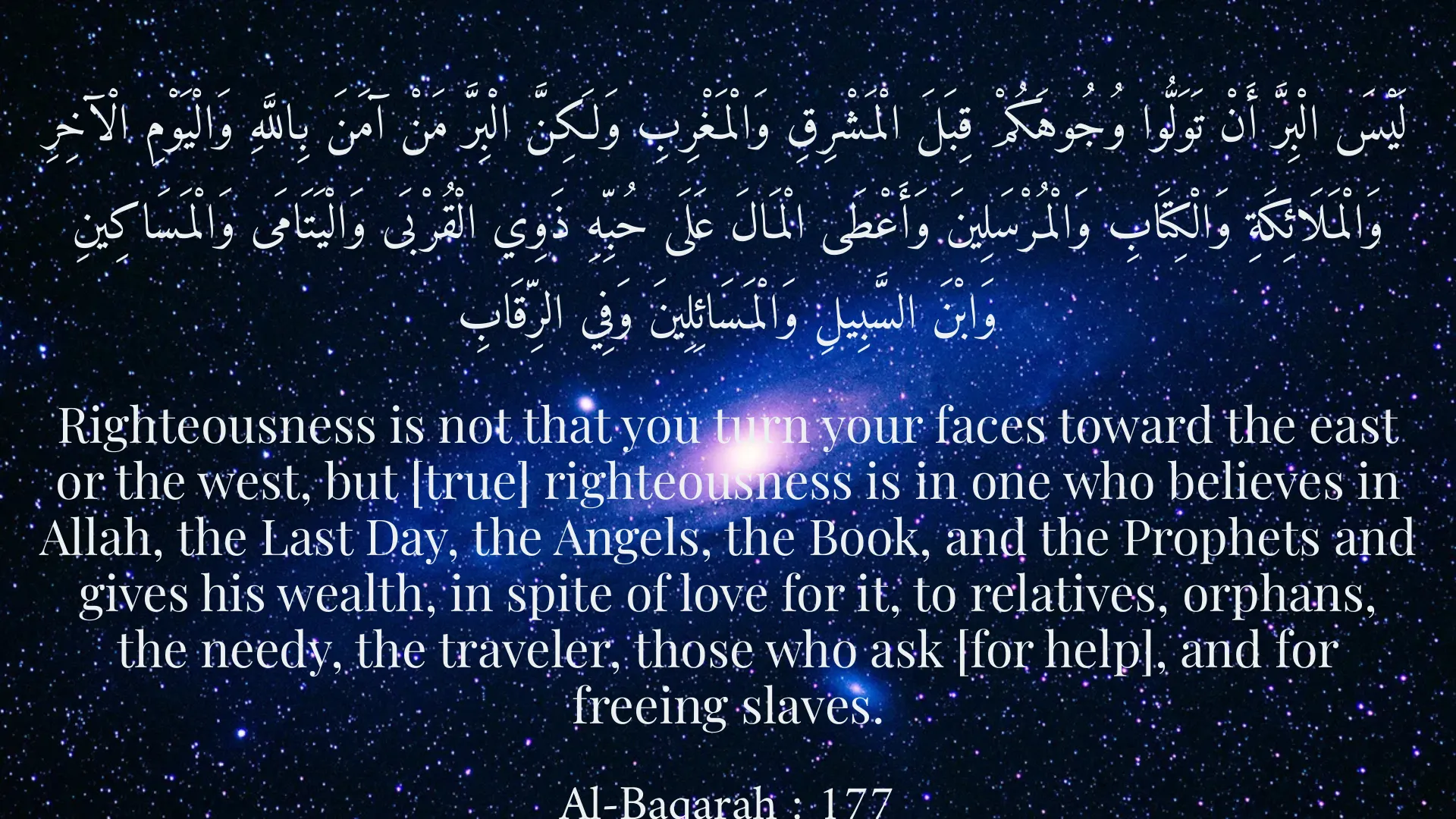
The Holy Quran, the sacred text of Islam, serves as a comprehensive guide for Muslims across the globe. Within its pages, the significance of obligatory acts and religious duties is not just mentioned, but emphasized as fundamental components of a believer’s life. These obligatory acts, ordained by Allah (God), form the bedrock upon which a Muslim's faith and practice are built. Neglecting these duties, therefore, represents a distancing from divine guidance, with profound implications for one's spiritual well-being. In analyzing the principles of obligatory acts, we refer to Surah Al-Baqarah, verse 177, which states, "Righteousness is not that you turn your faces toward the east or the west, but [true] righteousness is in one who believes in Allah, the Last Day, the Angels, the Book, and the Prophets and gives his wealth, in spite of love for it, to relatives, orphans, the needy, the traveler, those who ask [for help], and for freeing slaves." This verse conveys powerful messages about the essence of true righteousness. It is not merely the physical act of facing a certain direction during prayer, but rather, the inner belief and outward manifestation of that belief through righteous deeds. To truly comprehend the weight of obligatory acts, one must first understand the components of righteousness as defined in this verse. Belief in Allah and the foundational tenets of Islam—including faith in the Last Day, the Angels, the Book (i.e., the Quran), and the Prophets—are integral to a Muslim’s faith. However, the verse also underscores the importance of social responsibility and charity. Giving to those in need, despite one’s affection for wealth, reflects a greater commitment to the principles of compassion and generosity that Islam preaches. Thus, obligatory acts are transformative in nature, urging individuals not only to uphold their faith but to actively engage in the well-being of their communities. Further reinforcing the importance of obligatory acts is Surah Al-Mu’minun, verse 115, which states, "Did you think that We created you uselessly and that you would not be brought back to Us?" This verse draws a stark reminder of the purpose of human existence. It calls upon believers to reflect on their actions and recognize that their lives are imbued with purpose, ultimately leading back to Allah. The implication here is clear: the actions of a conscious believer should prioritize obligatory duties, as life is a transient journey leading to an eternal reality. Engaging in obligatory acts is a means of fulfilling one’s purpose and complying with divine expectations. This perspective on obligatory acts must transcend mere acknowledgment; it should shape the daily life of a believer. The framework of obligatory acts encompasses various dimensions, including daily prayers, fasting in Ramadan, paying zakat (charity), and performing Hajj (pilgrimage) if able. Each act holds immense spiritual significance and fosters a direct relationship between the believer and their Creator. Daily prayers, for instance, serve as a vital ritual for establishing a connection with Allah. As one submits to Allah five times a day, their focus shifts from worldly distractions to spiritual enlightenment. Fasting during Ramadan serves to cultivate self-discipline and empathy for those who are less fortunate, fundamentally altering one's relationship with food, wealth, and the community. These obligatory acts are not merely routine but are essential for nurturing a believer's spirituality and maintaining a sense of accountability. It is essential, however, to delineate between obligatory acts and recommended acts in the practice of Islam. Recommended acts, while meritorious and beneficial in their own right, should never substitute for obligatory acts. Engaging in recommended acts is an expression of love for Allah and a manifestation of gratitude for His blessings, yet it is paramount that one does not neglect their obligatory duties. This balance is vital, as it ensures that the essence of a believer’s life remains rooted in fulfilling what is required of them by Allah. To illustrate this important balance, consider acts such as volunteering or helping a neighbor. While these acts enrich the community and bring a believer closer to Allah, they should not overshadow the foundational obligations of daily prayers or zakat. The performance of obligatory acts provides the spiritual nourishment necessary for the soul's growth, serving as a launching pad for further charitable endeavors and personal development. In this way, the believer can express their devotion not only through obligatory commands but also through voluntary acts of kindness and charity. Furthermore, performing obligatory acts is a testament to one’s commitment to faith and a declaration of love for Allah. It showcases the essence of a believer's life—a constant effort to submit to divine will and follow the path laid out in the Quran. With this in mind, it becomes clear that the prioritization of obligatory duties is not merely an obligation; it is an opportunity to demonstrate sincerity in faith and a tangible expression of love for the Creator. In conclusion, the significance of obligatory acts and religious duties in the Holy Quran serves as a crucial reminder of the duties held by every believer. The verses from Surah Al-Baqarah and Surah Al-Mu’minun encapsulate the essence of a life lived in faith—rooted in belief, action, and an unwavering commitment to fulfilling one’s obligations to Allah. The structure of obligatory acts does not only guide personal piety but propels members of the community to engage with one another in a manner that reflects the teachings of Islam. Thus, as believers navigate their spiritual journeys, they must remember the importance of obligatory acts as essential components of their faith. They should prioritize these acts, allowing them to transform their hearts and actions while simultaneously seeking to uphold the values of compassion and charity that Islam encourages. Ultimately, a believer’s diligence in this endeavor fosters a closer connection to Allah, guides their actions in this life, and prepares them for their return to Him in the hereafter.
Related Verses
لَيْسَ الْبِرَّ أَنْ تَوَلُّوا وُجُوهَكُمْ قِبَلَ الْمَشْرِقِ وَالْمَغْرِبِ وَلَكِنَّ الْبِرَّ مَنْ آمَنَ بِاللَّهِ وَالْيَوْمِ الْآخِرِ وَالْمَلَائِكَةِ وَالْكِتَابِ وَالْمُرْسَلِينَ وَأَعْطَى الْمَالَ عَلَى حُبِّهِ ذَوِي الْقُرْبَى وَالْيَتَامَى وَالْمَسَاكِينِ وَابْنَ السَّبِيلِ وَالْمَسَائِلِينَ وَفِي الرِّقَابِ
Righteousness is not that you turn your faces toward the east or the west, but [true] righteousness is in one who believes in Allah, the Last Day, the Angels, the Book, and the Prophets and gives his wealth, in spite of love for it, to relatives, orphans, the needy, the traveler, those who ask [for help], and for freeing slaves.
Al-Baqarah : 177
أَمْ حَسِبْتُمْ أَنَّمَا خَلَقَنَاكُمْ عَبَثًا وَأَنَّكُمْ إِلَيْنَا لا تُرْجَعُونَ
Did you think that We created you uselessly and that you would not be brought back to Us?
Al-Mu’minun : 115
Short Story
On a spring day, Ali sat and pondered his life. He felt the need to clarify his priorities. Upon reading Quranic verses, he realized that faith and righteous deeds should be the foundation of his life. He decided to pay more attention to his obligatory duties while still engaging in recommended acts. Gradually, he felt that his life became more meaningful and purposeful.