Quranic Answer
The Holy Quran, regarded as the ultimate guide for humanity, touches upon numerous themes that illuminate the path to righteousness and moral uprightness. Among these themes, the impacts of sins and their consequences stand out as particularly significant. The concept of sins in Islam encompasses a range of actions that stray from the prescribed commandments set forth by Allah. While some sins may appear to be minor or insignificant at first glance, they can lead to profound consequences that tarnish both the spiritual and moral fabric of an individual. This article delves into the implications of minor sins as highlighted in the Holy Quran and the teachings of the Prophet Muhammad (peace be upon him). One of the pivotal verses that address the issue of minor sins is found in Surah Al-Imran, verse 135. In this verse, Allah reminds the believers to not only be mindful of their actions but also to steer away from minor sins, thereby leaning towards righteousness. The importance of this directive cannot be understated; it serves as a crucial reminder that one's spiritual journey can be undermined by seemingly inconsequential acts. The message encourages believers to engage in self-reflection and evaluate their actions on a continuous basis. By cultivating a consciousness around the avoidance of minor sins, believers are encouraged to foster a lifestyle that is aligned with righteousness and moral integrity. Furthermore, the significance of minor sins is further elucidated in Surah Al-Ma'idah, verse 29. In this verse, Allah underscores the peril of minor sins leading to greater sins. The Quran depicts lesser sins as a slippery slope; what may start as a trivial infraction can evolve into a more severe transgression if left unchecked. This notion serves as a powerful warning to individuals about the consequences of complacency in their moral conduct. Initially, the actions may seem trivial and harmless, yet repetitive indulgence can lead one down a path that culminates in more dangerous and destructive sins. This gradual escalation of sinful behavior highlights the necessity for vigilance and self-regulation in the attempts to live a life in accordance with divine expectations. An important aspect of this discussion is the psychological impact of sin. The human experience is characterized by a complex interplay of choices that shape one's character and spirituality. Each choice we make, whether deemed minor or great, contributes to the overall tapestry of our lives. In this context, avoidance of small sins emerges as a pathway not just to compliance with divine commands, but as a means to foster a healthy and rejuvenated spirit. Regularly engaging in minor infractions can tarnish one’s character and draw an individual further away from the attributes of piety and righteousness. The teachings of the Prophet Muhammad (peace be upon him) serve as a guiding light in understanding the gravity of small offenses. He stated, 'Do not underestimate small sins; for they can gather like drops of water and create a great flood.' This imagery paints a vivid picture of how small, seemingly insignificant actions can accumulate over time, ultimately culminating into something much larger and more destructive. It challenges the believer to confront the idea that minor indiscretions can compound, leading to dire spiritual consequences. Moreover, adopting a framework of mindfulness in relation to our actions can result in a more profound connection with Allah. By recognizing and addressing even the smallest of sins, individuals can cultivate an environment of accountability and spiritual growth. This pursuit of righteousness should not be seen merely as a set of prohibitions, but rather as an active engagement in the journey towards moral excellence. Gestures of repentance, seeking forgiveness, and striving for improvement form a trifecta of actions enabling believers to actively combat the allure of sin in their lives. The conscious avoidance of even minor sins can be thought of as a preparatory phase that fortifies an individual for the challenges that may arise in their spiritual journey. In the practice of self-examination, believers are encouraged to identify triggers that may lead them to sin, whether they be environmental factors, social circles, or mental states. By being proactive, believers can operate on a plane of higher consciousness concerning their actions and thoughts. Importantly, this preventative approach leads to a lifecycle of continuous improvement, where adherents to the faith are dynamically engaging with their spirituality. In addition to the personal implications of avoiding minor sins, there are societal ramifications as well. An individual’s choices, even those deemed insignificant, can create ripples that affect their surroundings. Each person is a representative of their faith and conduct, which collectively shapes the moral landscape of communities. By leading lives characterized by the avoidance of sins—both minor and major—believers contribute positively to the overall ethical climate of society. In conclusion, the significance of minor sins is a critical aspect of the teachings of Islam. As outlined in the Holy Quran through verses such as those in Surah Al-Imran and Surah Al-Ma'idah, believers are urged to remain vigilant and mindful about their actions. The idea that minor sins can accumulate to form a great flood serves as a stark reminder of the inherent dangers they pose in the grand scheme of one's religious and ethical life. The Prophet Muhammad’s (peace be upon him) teachings reinforce this concept, cementing the importance of paying attention to seemingly insignificant actions. By fostering an awareness of minor sins, believers can better navigate their spiritual journeys and ultimately draw nearer to Allah, achieving personal growth and contributing to the ethical welfare of the broader community. Therefore, the conscious effort to avoid even the smallest of sins is not just an act of obedience but a monumental step towards spiritual refinement and moral rectitude in the lives of believers.
Related Verses
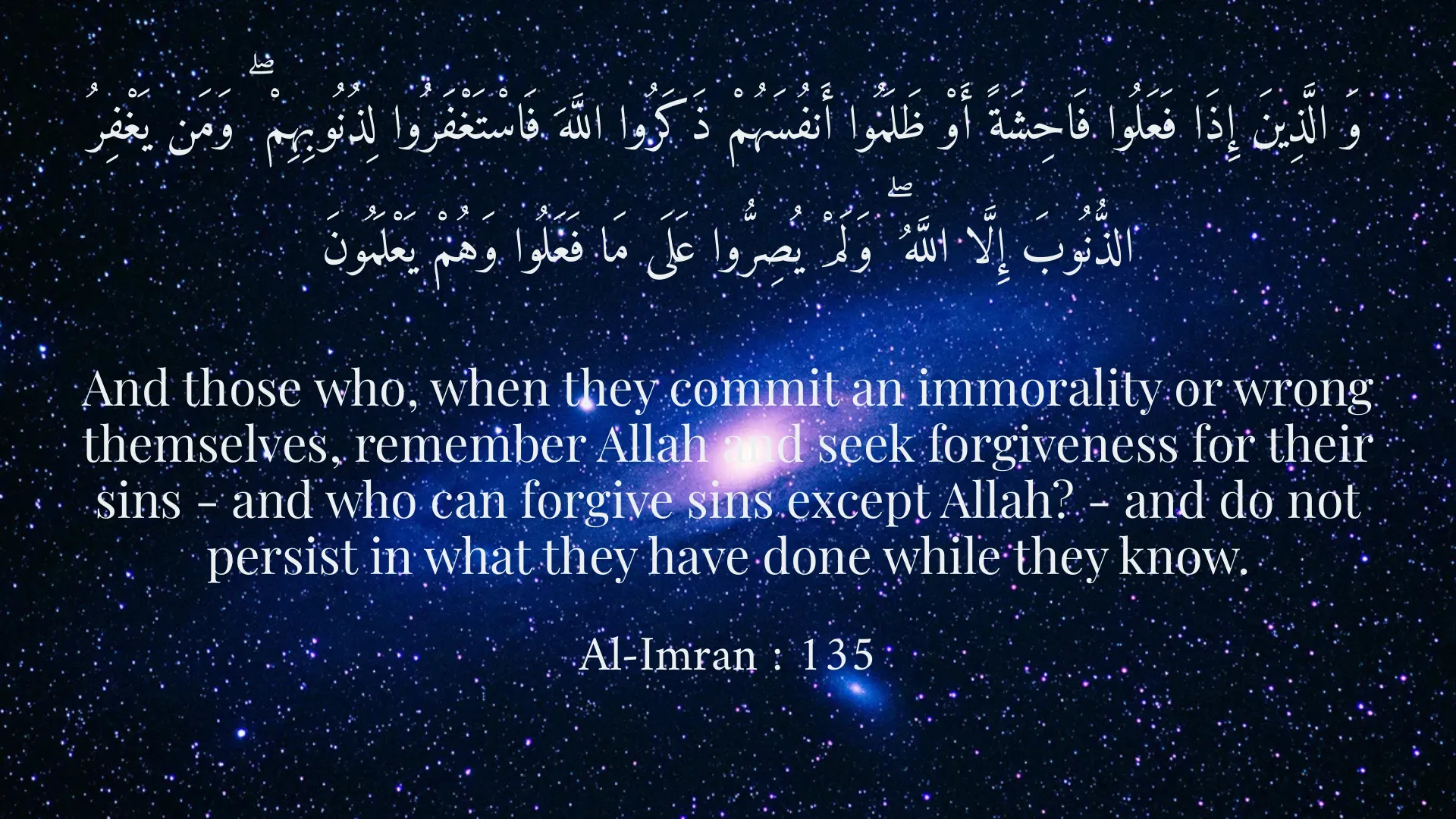
وَ الَّذِينَ إِذَا فَعَلُوا فَاحِشَةً أَوْ ظَلَمُوا أَنفُسَهُمْ ذَكَرُوا اللَّهَ فَاسْتَغْفَرُوا لِذُنُوبِهِمْ ۖ وَمَن يَغْفِرُ الذُّنُوبَ إِلَّا اللَّهُ ۖ وَلَمْ يُصِرُّوا عَلَى مَا فَعَلُوا وَهُمْ يَعْلَمُونَ
And those who, when they commit an immorality or wrong themselves, remember Allah and seek forgiveness for their sins - and who can forgive sins except Allah? - and do not persist in what they have done while they know.
Al-Imran : 135
وَلا تُعَذِّبُوهُمْ إِنْ تُقْتِلُوا إِنَّهُمْ كَانُوا يَظْلِمُونَ
And there is no punishment upon them if they are killed; indeed, they were wrongdoers.
Al-Ma'idah : 29
Short Story
One day, a man named Reza was sitting with one of his friends, discussing life and actions. He confessed that he sometimes commits minor sins like telling small lies or gossiping about others. His friend assured him saying, 'Why worry about these minor sins?' But Reza realized that even small sins could lead him to graver sins. Thus, he decided to avoid even the minor ones. As days passed, he noticed greater peace in his life and felt happier than ever.