Quranic Answer
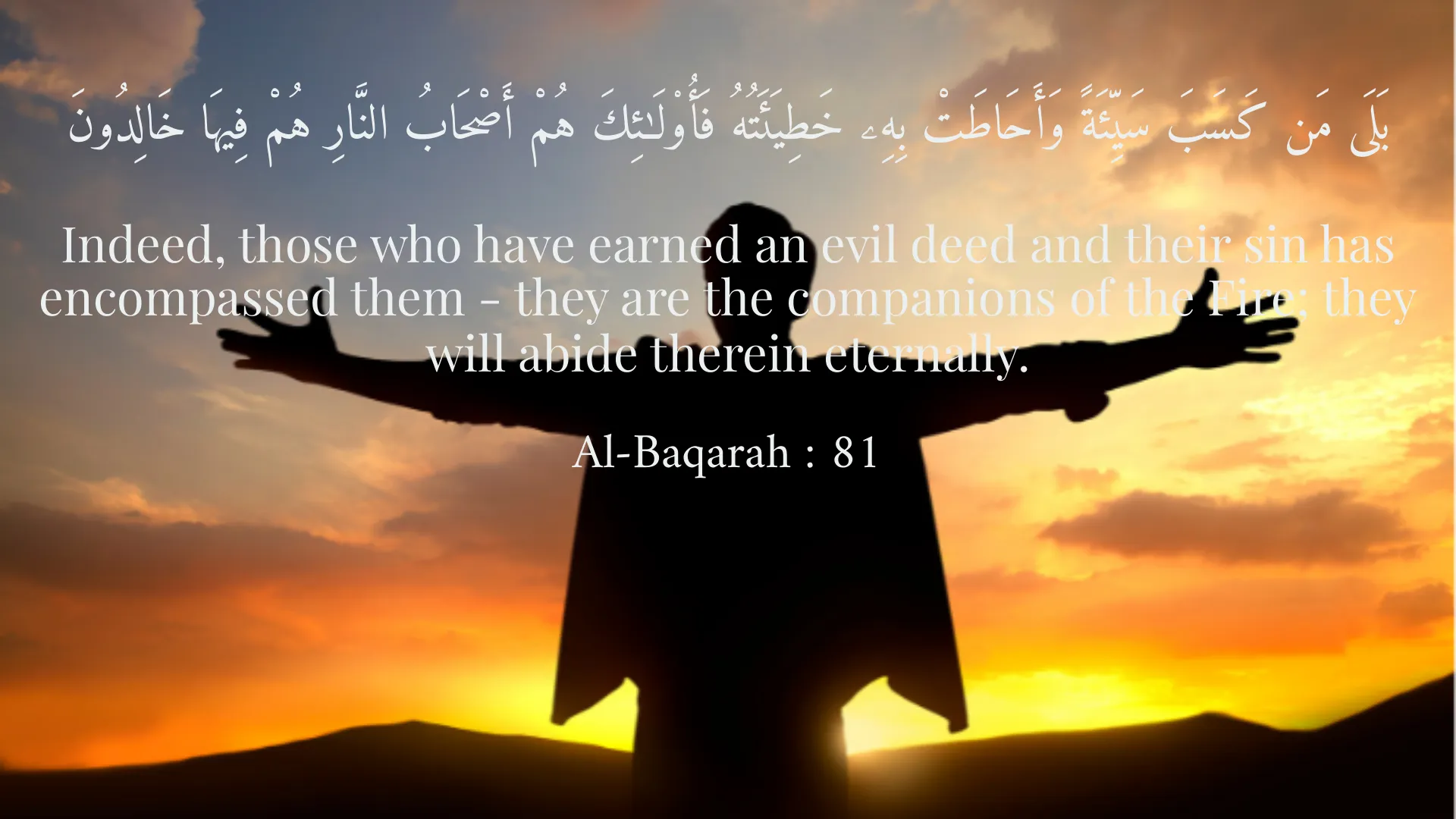
The Holy Quran, revered as a divine guide by millions, is a comprehensive text that addresses various aspects of human life, including morality, ethics, and the consequences of actions. One significant theme that emerges in the Quran is the emphasis on the consequences of sins, particularly those that remain hidden from the public eye or are committed secretly. The verses associated with this theme serve as admonitions, reminding believers of the stark reality of accountability in the Hereafter. To understand the gravity of secret sins in Islam, we start with Surah Al-Baqarah, verse 81, which states: "Indeed, those who have earned an evil deed and their sin has encompassed them - they are the companions of the Fire; they will abide therein eternally." This verse serves as a stark reminder that indulging in sins can lead to dire consequences. The phrase "earned an evil deed" highlights the idea that individuals are responsible for their actions. It emphasizes the belief that actions have repercussions— a fundamental principle in Islamic teachings. Those individuals who become engulfed in their sins and fail to take responsibility for their actions are warned of eternal punishment, which is illustrated by the imagery of companionship with the Fire. Moreover, this verse casts a light on the mistake of downplaying the severity of secret sins. Individuals might commit sins in secrecy, believing that no one will discover them, yet the Quran asserts that such sins will not go unnoticed by God. The consequences that await these individuals should serve as a source of fear and caution. In contemporary society, where immoral and unethical behaviors have become increasingly normalized, it's crucial to stress that the Quran’s message remains relevant. The gravitas of sin, even in secrecy, cannot be underestimated as it brings consequences that transcend time and situational context. The notion of prayer as a deterrent to immorality is articulated in Surah Al-An'am, verse 120: "And establish prayer, for indeed, prayer prohibits immorality and wrongdoing." Here, we find that the Quran provides believers with not just warnings about sin but also practical guidance on how to lead a life free from wrongdoing. Prayer is presented as a tool for self-regulation, a spiritual practice that mandates accountability and mindfulness. The presence of a divine communion through prayer serves as both a reminder and a shield against temptation. Individuals who engage in regular prayer are more likely to develop a consciousness about the implications of their actions, which can deter them from indulging in immoral acts, whether in private or public. The call to establish prayer thus becomes an integral aspect of spirituality in Islam, reinforcing virtuous conduct. Furthermore, Surah Al-Mu’minun, verse 14 underscores the inevitability of accountability in the Hereafter: "And they will be questioned about what they concealed." This verse reassures that nothing remains hidden from God's omnipresent knowledge. Here, the Quran emphasizes personal integrity and transparency in one's actions. Maintaining a facade may provide temporary comfort to an individual engaged in secretive wrongdoing; however, the ultimate reckoning in the hereafter surpasses any concealment one may attempt to maintain in this world. The notion of questioning encourages believers to rethink their actions and the intentions behind them, pushing them toward self-reflection and repentance. In this sense, the consequences of secret sins provoke a consideration of one's spiritual trajectory. Such reflections highlight the importance of sincerity and striving for genuine repentance. In addition to providing moral guidance, the Quran functions as a legal framework for those seeking to understand the repercussions of their actions within Islamic jurisprudence. Secret sins, understood within this framework, carry consequences that extend beyond personal guilt. Islamic law outlines various ramifications for sinful behavior, taking into account the underlying principles of justice and equity. Even privately committed sins have consequences because they have the potential to affect not only the individual but broader society as well. The concept of justice in Islam extends to the collective wellbeing of the community, emphasizing the interconnectedness of individual actions and societal health. The ripple effects of secret sins can manifest in broken trust, damaged relationships, and moral decay within communities. Mitigating against secret sins lies in fostering a culture of accountability and moral responsibility among believers. Education within Islamic teachings can bring about awareness regarding the nature of sin, its consequences, and the necessity of repentance. Encouraging open discussions and reflections on personal struggles with sin can cultivate an atmosphere of empathy and support. This approach can empower individuals to seek forgiveness and work toward spiritual growth rather than dwelling in secrecy and shame. Ultimately, confronting one’s shortcomings forms an essential component of the Islamic path toward righteousness and moral integrity. In conclusion, the issue of secret sins is intricately woven into the moral fabric of the Quran. Through various verses, it reiterates the importance of awareness about actions and their subsequent consequences. Each verse serves as a guide on maintaining a righteous path, emphasizing the significance of prayer and self-accountability. As believers reflect upon these teachings, they are encouraged to forge a strong connection with their faith while navigating the moral complexities of life. The Quran’s message stands as a continuous reminder of the fragility of moral boundaries and the enduring impact of one’s actions, both seen and unseen. Engaging in an honest examination of one’s life fosters a connection to the divine, propelling believers toward a commitment to ethical living free of the burdens of secret sins. The responsibility lies upon every individual to uphold the principles laid forth in the Holy Quran, ensuring that their lives resonate with piety and virtue.
Related Verses
بَلَى مَن كَسَبَ سَيِّئَةً وَأَحَاطَتْ بِهِۦ خَطِيَئَتُهُ فَأُو۟لَـٰئِكَ هُمْ أَصْحَابُ النَّارِ هُمْ فِيهَا خَالِدُونَ
Indeed, those who have earned an evil deed and their sin has encompassed them - they are the companions of the Fire; they will abide therein eternally.
Al-Baqarah : 81
وَأَقِمِ الصَّلَاةَ إِنَّ الصَّلَاةَ تَنْهَى عَنِ الْفَحْشَاءِ وَالْمُنكَرِ
And establish prayer, for indeed, prayer prohibits immorality and wrongdoing.
Al-An'am : 120
فَخَلَقْنَا ٱلْمَكْتُوبَ فِي ٱلْكُتُبِ ۖ وَبَيْنَٰهُمْ نَحْشُرُهُمْ يَوْمَ الْقِيَامَةِ
And we will gather them on the Day of Judgment with what they had concealed.
Al-Mu'minun : 14
Short Story
Once upon a time, a man named Hassan decided to do his deeds secretly, thinking that keeping them hidden from others would help him avoid the consequences of his actions. However, as time passed, he felt a heaviness and unrest in his heart. Hassan recalled the verses of the Quran and eventually decided to steer clear from his wrongdoings and move towards light and guidance. He realized that innocence and honesty are always the best path, and the righteous always triumph.