Quranic Answer
The Holy Quran is a foundational text of Islamic theology, law, and morality. Among its many teachings, the notion of 'intention'—though not explicitly mentioned—plays a critical role in understanding the ethical actions of Muslims. The ethical teachings in the Quran emphasize that good intentions are indispensable when coupled with meaningful actions. This article aims to delve into the significance of intentions as inferred from various verses of the Quran, showcasing how intention and action must align for a believer to gain spiritual rewards. To explore the relationship between intention and action, we can look at a critical verse in Surah Al-Imran. The Quran states that when believers perform righteous deeds, their actions are blessed by good intentions. This suggests a framework where one’s purpose behind undertaking any act directly influences the ethicality and value of that action. It indicates that the assessment of one's deeds cannot solely rely on the act itself but also requires a thorough analysis of the intention that motivated it. Moreover, Surah Ghafir highlights the repercussions of our actions. Verse 40 asserts, "Whoever does a good deed will reap a good result." This reinforces the idea that, while good outcomes stem from external actions, these actions must originate from a sincere and good intention to fulfill their divine potential. It implies that not only is goodness rewarded, but it is the combination of an intention derived from pure motives alongside the actual execution of the deed that yields spiritual benefits. The synthesis of intention and action is central to Islamic thought. In essence, the Quran encourages believers to see intentions as powerful motivators. However, these intentions need to materialize through actions to reveal their true meaning and significance. For instance, an excellent intention to help the needy may end up being hollow without tangible actions being undertaken to fulfill that intention. This leads us to conclude that while having a good intention reflects positively on one's character, it is through action that these intentions find fulfillment. In Islam, this synergy between intention and action is vital for cultivating a righteous life. A good intention acts like a powerful hammer; it holds the potential to bring about change, but without wielding it as one would in executing actions, its power remains unexploited. This metaphor emphasizes the need to channel good intentions into productive actions to contribute to one’s moral and spiritual wealth. The ethical landscape of the Quran underscores the meticulous connection between intention and actions, suggesting that individuals are accountable not just for their deeds but also for their motivations. This account of intention extends to prayer, charity, and various acts rewarded by Allah. Believers must dissect their motives continuously to ensure that they align with the Quranic teachings about piety and benevolence. Furthermore, the Quran articulates divine justice through this framework. It teaches that Allah is cognizant of every intention, which can lead to rewards or punishment depending on the relationships forged between intentions and actions. This perspective encourages Muslims to cultivate the right intentions in every aspect of their lives and reinforces the importance of accountability. Interestingly, reflecting upon the sayings of the Prophet Muhammad further elucidates this principle. The well-known Hadith states, "Actions are judged by intentions, and every person will receive that which they intended." This declaration accentuates that intention is the foundation upon which actions stand. If the underlying intention is corrupt or insincere, the action itself becomes tainted, losing its essence and value. Conversely, when good intentions drive a deed, even ordinary actions can be transformed into significant spiritual acts. In light of this, it becomes crucial to recognize the journey of an intention from thought to action. To actualize intentions, individuals must engage in conscious practice and effort, which reflects the importance of an active rather than passive approach to spirituality. Maintaining clarity and consistency in this regard creates a harmony between one's inner beliefs and external expressions. The diverse implications of this synergy resonate with various fundamental aspects of life. The intention can serve as a compass guiding one’s actions in the realms of family, community involvement, and environmental stewardship. A person may aspire to fulfill their duties, nurture relationships, and live a life of service, yet these goals can only materialize if matched with corresponding actions that reflect genuine intention. Moreover, Islam provides a holistic view of this connection, which leads to remarkable social morality. When good intentions lead to beneficial actions, communities flourish, creating cycles of prosperity, compassion, and mutual aid. In this way, individuals are motivated to bring about positive change in their environments, reinforcing the collective significance of intentional living and ethical behavior. In conclusion, the relationship between intention and action is delicately woven into the ethical fabric of the Holy Quran. Scholars have deliberated over this essential theme, leading to its recognition as a cornerstone of Islamic moral philosophy. As believers strive to refine their intentions and translate them into actions, they will discover profound rewards in both this life and the hereafter. The act of intention, accompanied by righteous action, can be a powerful catalyst for personal growth, community service, and overall spiritual well-being. Therefore, Muslims are continuously encouraged to nurture good intentions throughout their lives and enact them in meaningful ways, ensuring their intentions resonate through actions that align with divine expectations.
Related Verses
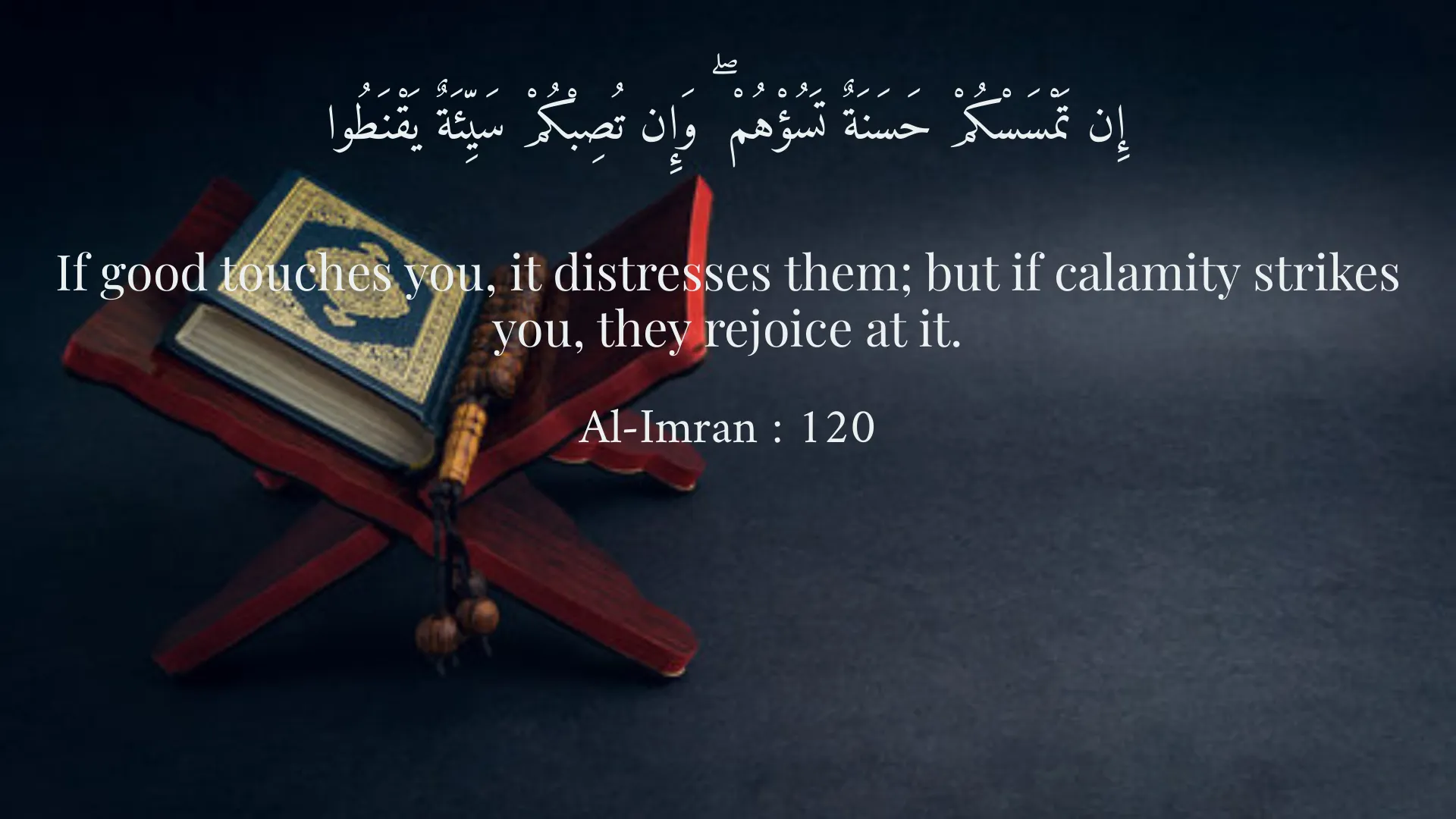
إِن تَمْسَسْكُمْ حَسَنَةٌ تَسُؤْهُمْ ۖ وَإِن تُصِبْكُمْ سَيِّئَةٌ يَقْنَطُوا
If good touches you, it distresses them; but if calamity strikes you, they rejoice at it.
Al-Imran : 120
وربك يقضي بالحق، ورسله يوما يقومون،
And your Lord will judge between them on the Day of Resurrection.
Ghafir : 40
Short Story
On a sunny day, Ali decided to visit a museum. There, he saw pictures of great individuals who all achieved extraordinary things with good intentions. He pondered to himself that a good intention without action holds no meaning. Subsequently, he resolved to help those in need and to take positive actions with his good intentions. As he engaged in this, he realized how much the world can change with good intentions and positive actions.