Quranic Answer
The significance of honesty and truthfulness has been a central theme in various ethical and moral frameworks across different cultures and religions. Among these, the Holy Quran stands out as an influential text that profoundly addresses the virtues of honesty and the explicit condemnation of dishonesty. As Muslims, believers are encouraged to internalize these values in their everyday lives, understanding the ramifications of deceit and the importance of maintaining integrity. This article delves into the Quranic perspective on honesty, exploring the implications of truth-telling and the consequences of lying, as well as understanding how these principles can play a crucial role in shaping individual behavior and social relationships. In Surah Al-Baqarah, verse 42, Allah admonishes believers against blending the truth with falsehood, stating, "And do not mix the truth with falsehood or conceal the truth while you know [it]." This verse is a potent reminder to maintain authenticity in one's actions and declarations. The instruction to avoid deception is not merely a suggestion; rather, it is a directive aimed at preserving the sanctity of human interactions and relationships. By instilling a culture of transparency and honesty, societies can cultivate trust, essential for cooperation and communal harmony. Interestingly, the Quran speaks against various forms of lying, including white lies, which are often perceived as harmless or even benevolent. Despite societal perceptions that trivialize these minor untruths, Islamic teachings insist that any form of dishonesty is harmful. The act of lying, regardless of its scale, tends to deteriorate trust and damages interpersonal relationships. The repercussions of dishonesty can reverberate beyond immediate circumstances, leading to a breakdown in communication, increased suspicion, and an overall decline in mutual respect. As such, individuals must critically evaluate their stance on lying, challenging the normative acceptance of even the most benign falsehoods. Further reinforcement of this principle is found in Surah An-Nahl, verse 105, where Allah states, "Indeed, it is only those who falsify who invent falsehood against Allah." This significant declaration underscores the gravity of lying, especially when it pertains to God's commands and religious truths. To fabricate lies or distort divine messages is considered a grave injustice. The Quran emphasizes that even lies meant to embellish reality or mitigate social discomfort pose risks not only to the individual perpetuating the deceit but also to the wider community. The impact of dishonesty transcends mere social interactions; it forms the very foundation upon which trust is built. Trust is a critical component of any relationship, be it personal or professional. When lying becomes acceptable in any form, the integrity of relationships is inevitably compromised. People find themselves questioning the authenticity of their connections, leading to a pervasive atmosphere of doubt and suspicion that can be difficult to mend. This reality highlights the need for individuals to become acutely aware of the consequences of their choices, mindful of the long-term effects of their actions on their relationships and the community. On a broader scale, the cultural ethos surrounding honesty and the repercussions of deception shapes societal values and norms. In societies where lies are commonplace and dishonesty is tolerated, the resultant environment can lead to systemic corruption, abuse of trust, and social discord. Conversely, fostering an atmosphere where truth is upheld as an essential value creates a healthier, more cohesive community. Therefore, it is incumbent upon individuals to champion honesty in their respective spheres of influence, becoming advocates for a lifestyle that celebrates truth and candor. From an ethical standpoint, the decision to lie—whether motivated by intention to spare feelings, avoid conflict, or gain personal advantage—must be scrutinized through the lens of Quranic teachings. The conscious act of choosing truth over deception requires self-discipline, moral fortitude, and a deep-seated commitment to spiritual and ethical standards. Ultimately, striving for honesty necessitates personal growth; individuals are called to cultivate their character to reflect virtues that align with their faith. As believers engage with these Quranic principles, they are challenged to reassess their understanding of ethical conduct while navigating the complexities of daily living. It is essential for individuals to become self-aware of how lying affects their lives and relationships. Regular introspection can lead to healthier decision-making aligned with the teachings of the Quran. In addition to the spiritual benefits, adhering to an honest lifestyle contributes to personal fulfilment and peace of mind. Living authentically allows individuals to navigate challenges with confidence, knowing they are not ensnared in webs of deceit. Furthermore, cultivating honesty and integrity acts as a guide for others, creating a ripple effect that encourages a culture of truthfulness within communities. In conclusion, the Quran's teachings on honesty provide a framework for ethical living that transcends religious boundaries. The values of truthfulness and integrity play a crucial role in fostering trust, enhancing relationships, and strengthening communities. The narrative surrounding lying—whether perceived as innocuous or severe—must be reevaluated in light of the Quranic injunctions against deceit. By embedding these principles into their daily lives, individuals can aspire to achieve higher moral standings and contribute positively to society. Thus, embracing honesty and authenticity is not just a personal ethical stance but a communal imperative for a just and harmonious world.
Related Verses
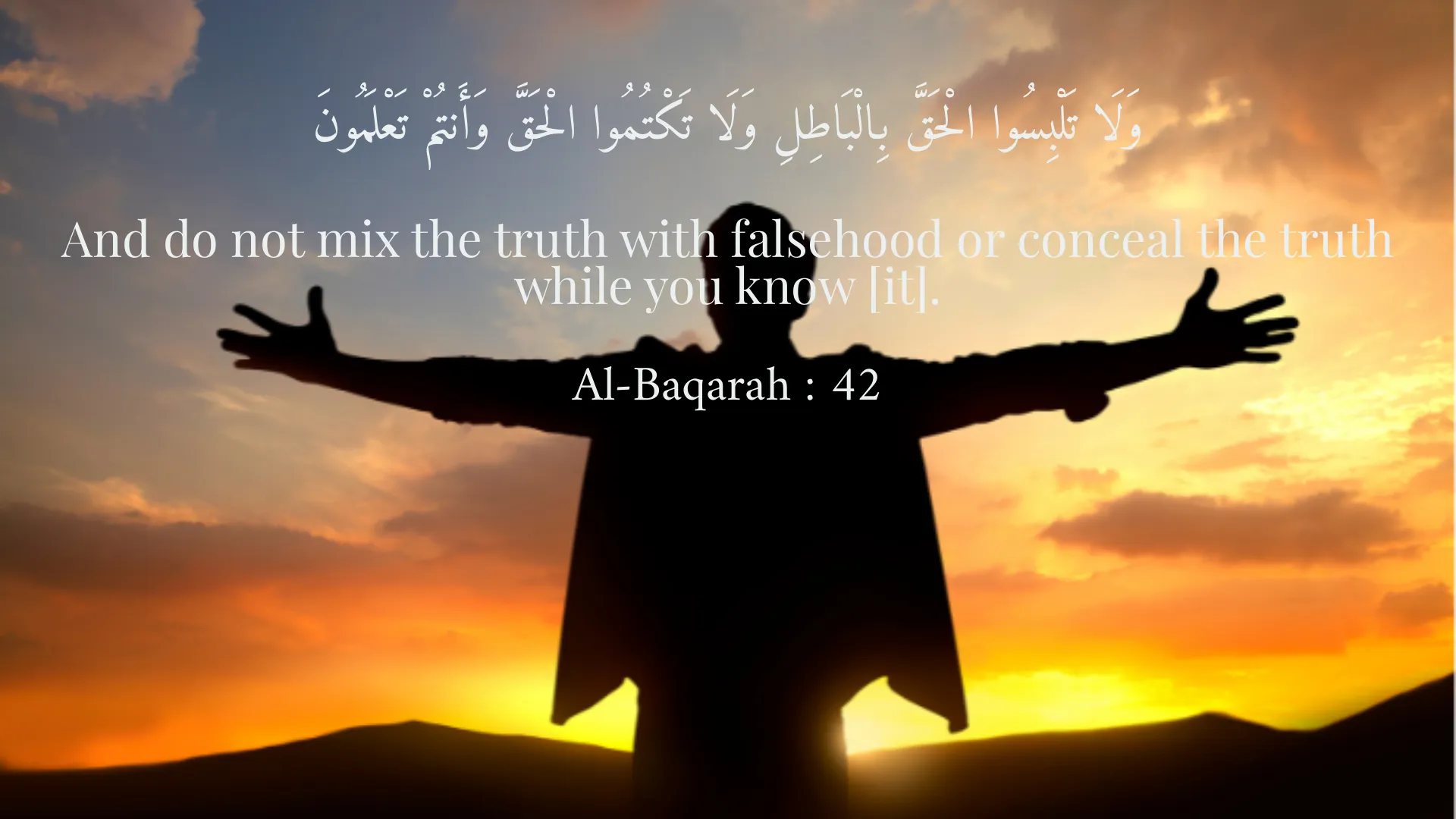
وَلَا تَلْبِسُوا الْحَقَّ بِالْبَاطِلِ وَلَا تَكْتُمُوا الْحَقَّ وَأَنتُمْ تَعْلَمُونَ
And do not mix the truth with falsehood or conceal the truth while you know [it].
Al-Baqarah : 42
إِنَّمَا يَفْتَرِي الْكَاذِبُونَ عَلَى اللَّهِ الْكَاذِبُونَ
Indeed, it is only those who falsify who invent falsehood against Allah.
An-Nahl : 105
Short Story
One day, Amir, a well-meaning youth, was trying to solve a problem. A friend had asked him to assist with a small lie about an insignificant matter. Amir hesitated but ultimately agreed. However, later when faced with the consequences of his lie, he felt the impact of having damaged his friend’s trust. He remembered that Allah emphasized truthfulness in the Quran, and from that day, he decided to always be truthful and avoid even small lies.