Quranic Answer
In the Holy Quran, the concepts of hope and negligence are examined together, inviting believers to reflect on their faith, responsibilities, and the balance between optimism and practicality. The Quran, a foundational text in Islamic theology, provides guidance that resonates through time, touching upon essential themes that mold the behavior and mindset of individuals. One of the critical elements it emphasizes is the hope for God's mercy and forgiveness of sins. This theme is prevalent throughout various verses of the Quran, offering believers a sense of assurance while also reminding them of their duties as practitioners of faith. One notable instance is found in Surah Az-Zumar, verse 53, which states: "O My servants who have believed, fear your Lord. For those who do good in this world is good, and the earth of Allah is spacious. Indeed, the patient will be given their reward without account." This verse communicates a profound message, urging believers to maintain hope for divine mercy while simultaneously recognizing the need to engage in righteous deeds. The verse reassures believers that their steadfastness will lead to rewards unbounded by the restrictions of the earthly realm. Here, the balance between fostering hope and practicing diligence becomes clear; believers are encouraged to harbor hope while also committing to a life of good actions. Hope is indeed a powerful motivator for many individuals. It instills a sense of purpose and direction, pushing believers to strive for betterment, not just in their spiritual lives but also in their worldly affairs. However, this hope must be rooted in sincere intentions and accompanied by proactive behaviors. The Quran warns that excessive hope can lead to negligence and lethargy regarding one's responsibilities in life. Surah Al-Imran, verse 9 serves as a striking reminder of this delicate balance: "The Day when they will gather for the Day of Gathering..." This verse refers to the Day of Judgment, a time of accountability and reckoning for all humanity. By invoking the Day of Judgment, believers are urged to remain aware of their actions and the transient nature of this world. Negligence breeds complacency; when hope becomes a passive wish without the accompanying effort, individuals may fall into a state of disarray, becoming unaware of their duties. This scripture functions as a wake-up call, reminding individuals that they must actively prepare for the afterlife while not neglecting their responsibilities on Earth. The consequential relationship between hope and negligence encapsulates a fundamental principle in Islamic teachings: true hope is not merely an optimistic feeling but a proactive stance that involves righteous actions. When one nurtures hope without an awareness of responsibilities, it can lead to an untenable situation where individuals assume they can rely solely on God's mercy while disregarding their duties. Such misplaced hope may breed a false sense of security and lead to procrastination in performing obligatory acts of worship, fulfilling family obligations, or contributing to society. A significant part of adhering to hope in a constructive manner lies in the concept of self-awareness. Self-awareness allows individuals to recognize their strengths and weaknesses, their responsibilities towards themselves and others, and ultimately, how to navigate the complexities of life with grace and purpose. The Quran encourages self-reflection, as it is through examining one's own actions and intentions that believers can genuinely align themselves with the path laid out by Allah. The balance between hope and self-awareness can lead to an enriching spiritual journey. Believers enriched with true hope, underpinned by an acute awareness of their responsibilities, find the courage to confront the challenges of life. This synergy also facilitates personal growth and advancement, stimulating individuals to approach their goals with a sense of confidence and determination. Moreover, when believers advocate for a balanced understanding of hope, they foster a community that supports one another in their endeavors. Strengthening communal ties and uplifting each other enhances the spirit of cooperation and collective responsibility, essential for fostering a conducive environment for growth. A community united in this understanding develops an atmosphere where learning and personal development flourish, which is critical for the sustenance of orderly and functional societies. Conversely, misplaced hope can foster personal and social decay. When individuals indulge in unrealistic expectations and ceased efforts, it can lead to broader societal issues. This negligence can manifest in various forms: ignoring social injustices, neglecting communal responsibilities, or failing to contribute positively to society. Hence, the cautionary lessons from the Quran become relevant; the importance of righteous deeds entwined with sincerity of hope is paramount. In conclusion, the examination of hope and negligence in the Quran reveals essential insights into the human condition. The relationship between hope and our duties as believers emphasizes the need for balance. Hope for divine mercy remains a cornerstone of faith, implying that believers should strive for goodness and maintain a positive outlook on the future. However, this hope is not free from the tether of reality and responsibility. Excessive and misplaced hope leads to negligence and detracts from the quest for personal and communal growth. As such, Islamic teachings advocate for a healthily engaged hope paired with self-awareness and righteous actions as a means to cultivate a fulfilling and productive life. This holistic approach enables believers not only to keep the spirit of hope alive in their hearts but also to remain diligent and accountable before both God and society.
Related Verses
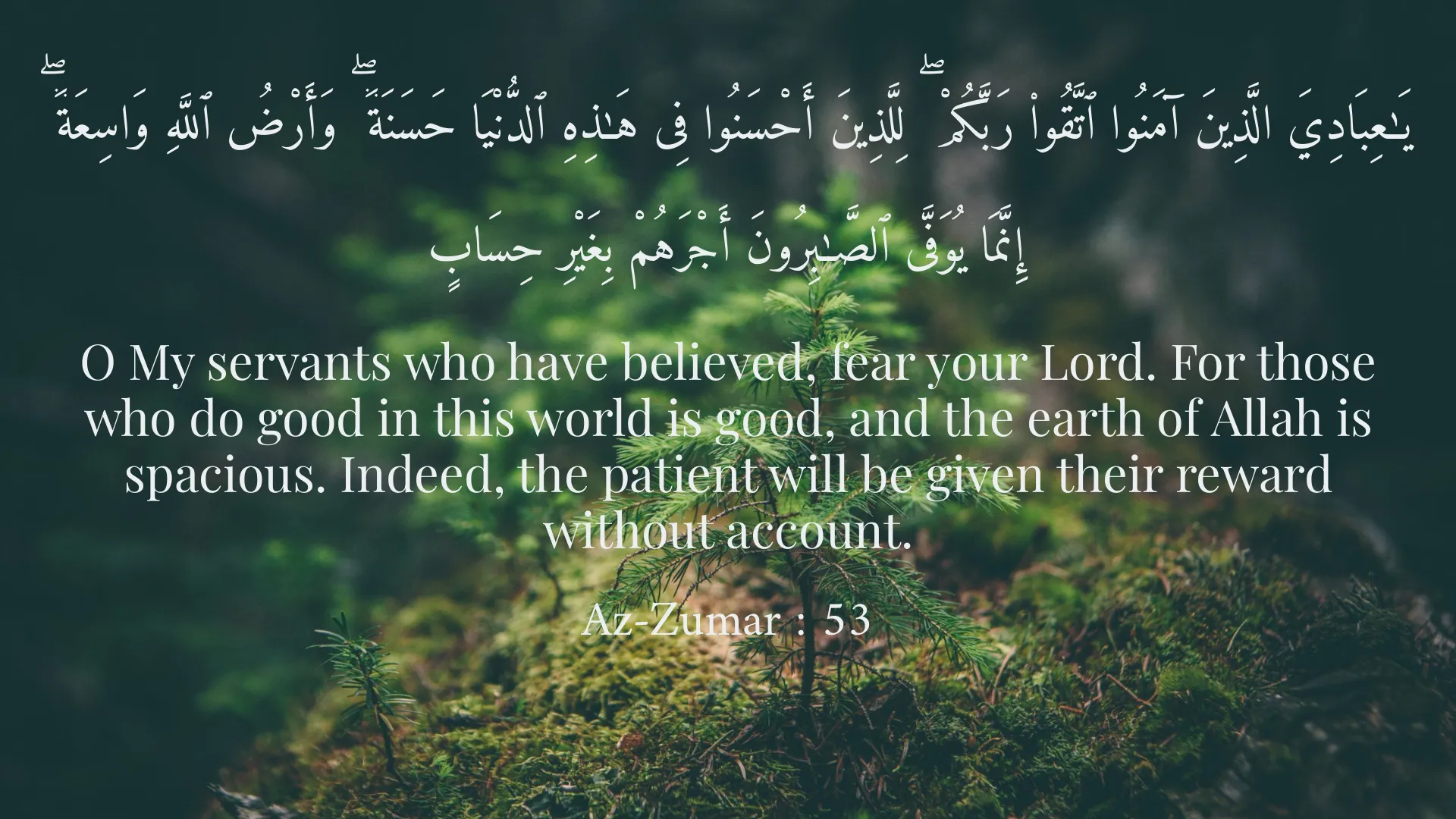
يَـٰعِبَادِيَ الَّذِينَ آمَنُوا ٱتَّقُوا۟ رَبَّكُمْ ۖ لِلَّذِينَ أَحْسَنُوا فِى هَـٰذِهِ ٱلدُّنْيَا حَسَنَةٞ ۖ وَأَرْضُ ٱللَّهِ وَاسِعَةٞ ۖ إِنَّمَا يُوَفَّى ٱلصَّـٰبِرُونَ أَجْرَهُمْ بِغَيْرِ حِسَابٍ
O My servants who have believed, fear your Lord. For those who do good in this world is good, and the earth of Allah is spacious. Indeed, the patient will be given their reward without account.
Az-Zumar : 53
يَوْمَ يَجْمَعُكُمْ لِيَوْمِ الْجَمْعِ ۖ يَوْمَ يُغْنِيَ عَنْهُمْ كَثْرَةُ الشَّيْءِ.
The Day when they will gather for the Day of Gathering... and the multitude of people will not benefit them.
Al-Imran : 9
Short Story
One day, a young man named Amir was full of hopes for success in life. He was often drowned in his dreams and forgot the importance of hard work. One day, a friend told him, 'Accompany hope with action.' Amir reflected on this and decided to spend his time learning and working harder. He realized that true hope means always striving alongside aspirations to achieve them.