Quranic Answer
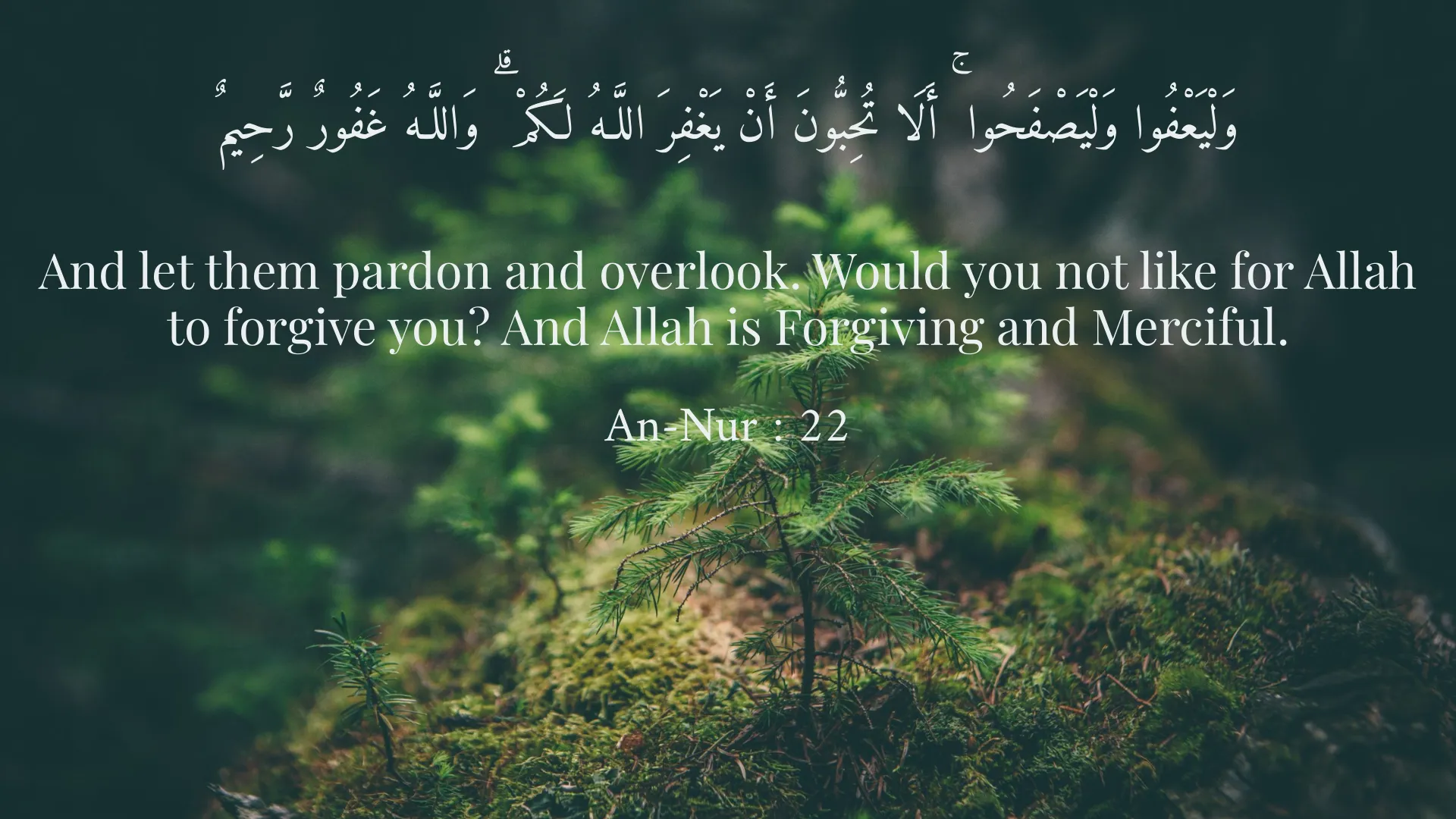
The concept of forgiveness is a cornerstone in many spiritual and religious traditions, but perhaps nowhere is it more profoundly articulated than in the Holy Quran. Within its verses, forgiveness and forbearance are not merely encouraged, but highlighted as essential virtues for true believers. The Quran serves as a moral compass, guiding individuals towards a path of understanding, compassion, and ultimately, spiritual fulfillment. In this article, we will explore various Quranic verses that emphasize the importance of forgiveness and how embodying this principle can lead to a more harmonious life. One significant verse regarding forgiveness can be found in Surah An-Nur, verse 22. Here, Allah commands believers to show forgiveness toward the mistakes and shortcomings of others, reminding them of His own nature as the All-Forgiving and Merciful. The notion presented in this verse is that Allah doesn’t just hold the title of the Most Merciful, but He actively exemplifies this trait and invites believers to emulate it. "And let not those of you who possess wealth and abundance swear against giving to the near relatives, the orphans, the needy, and those who speak kindly to the people. And let them pardon and overlook. Would you not love for Allah to forgive you? And Allah is Forgiving and Merciful." (Quran 24:22). This plea reinforces that the act of forgiving others not only draws believers closer to Allah but also garners His love and affection. Moreover, in Surah Al-Imran, verse 134, Allah further elaborates on the qualities that define the ideal believer: "And those who spend in the cause of Allah during ease and hardship and who restrain anger and who pardon the people - and Allah loves the doers of good." (Quran 3:134). This verse underscores self-control as a hallmark of true faith. Controlling one's anger is an incredibly commendable trait, and the ability to forgive those who have caused harm is closely intertwined with this self-restraint. This relationship between anger management and forgiveness is essential; it demonstrates that true strength lies not only in the absence of anger but in the conscious decision to release it and forgive. In addition to the spiritual ramifications of forgiveness, there are profound psychological benefits as well. Studies have shown that holding onto anger and resentment can lead to stress, anxiety, and even physical health issues. By choosing to forgive, individuals can alleviate this burden and cultivate a sense of inner peace and emotional wellbeing. This is echoed in Surah Al-Mu’minun, verse 96, where Allah advises His Prophet to respond to evil with goodness and refrain from hostility: "Repel evil with that which is best. We are best acquainted with what they utter." (Quran 23:96). This directive serves as a reminder that kindness can often transcend animosity and can serve as a powerful tool for personal and communal harmony. The concept of forgiveness also bears significant implications for societal dynamics. In contexts where forgiveness is practiced, a culture of peace is more likely to flourish. When believers engage in forgiving actions and attitudes toward one another, they create an environment that counteracts animosity and jealousy. In such an atmosphere, relationships can flourish, and communities can thrive. Hence, the essence of forgiveness purifies hearts and fosters collective well-being. Moreover, it is crucial to understand that forgiving others does not imply condoning their wrongful actions. Rather, it is an act of emotional and spiritual liberation, freeing the individual from the chains of past grievances. This aligns with the Quranic teaching that emphasizes the cultivation of goodness and love within the hearts of believers. The Surah Al-Furqan, verse 70 also speaks volumes to this effect: "Except for those who repent, believe and do righteous work. For them Allah will replace their evil deeds with good..." (Quran 25:70). Herein lies the understanding that forgiveness transforms not just the relationship with the offender, but also enhances the moral standing of the forgiver. To encapsulate the overall essence of forgiveness as portrayed in the Holy Quran, it can be concluded that the act of forgiving others is one that not only draws individuals closer to Allah but also enriches their spiritual journey. It cultivates a dignified character, highlighting the importance of kindness, compassion, and forbearance. As believers strengthen their relationships with one another through forgiveness, they simultaneously pave their path toward divine blessings and mercy. When believers engage with these teachings, they usher in an era where love replaces hatred, understanding supersedes judgment, and forgiveness reigns supreme. Ultimately, embracing forgiveness is not only about the relationships we hold with others but also about nurturing a loving and forgiving relationship with ourselves. In doing so, we align ourselves with the Divine will and embody the true essence of a believer. Hence, it can be unequivocally stated that forgiving others makes us dearer to God and positively influences every aspect of our daily lives, instilling a profound sense of purpose and joy.
Related Verses
وَلْيَعْفُوا وَلْيَصْفَحُوا ۚ أَلَا تُحِبُّونَ أَنْ يَغْفِرَ اللَّـهُ لَكُمْ ۗ وَاللَّـهُ غَفُورٌ رَّحِيمٌ
And let them pardon and overlook. Would you not like for Allah to forgive you? And Allah is Forgiving and Merciful.
An-Nur : 22
الَّذِينَ يُنفِقُونَ فِي السَّرَّاء وَالضَّرَّاء وَالْكَاظِمِينَ الْغَيْظَ وَالْعَافِينَ عَنِ النَّاسِ ۗ وَاللَّـهُ يُحِبُّ الْمُحْسِنِينَ
Who spend in the cause of Allah during ease and hardship and who restrain anger and who pardon the people; and Allah loves the doers of good.
Al-Imran : 134
فَادْفَعْ بِالَّتِي هِيَ أَحْسَنُ ۖ فَإِذَا الَّذِي بَيْنَكَ وَبَيْنَهُ عَدَاوَةٌ كَأَنَّهُ وَلِيٌّ حَمِيمٌ
But repel [evil] by that which is best. And thereupon the one whom between you and him is enmity [will become] as though he was a devoted friend.
Al-Mu'minun : 96
Short Story
Once upon a time, a man named Hosam was walking through a market when he unexpectedly saw an old friend. They had a long-standing quarrel. Remembering the Quranic verses, Hosam decided to let go of his grudge and forgive his old friend. He approached him and said, 'I apologize for my part. Let’s be good friends again.' After this act, Hosam felt an incredible lightness and peace as he realized that by forgiving, not only had he regained a friendship, but he had also rekindled the remembrance of Allah in his heart.