Quranic Answer
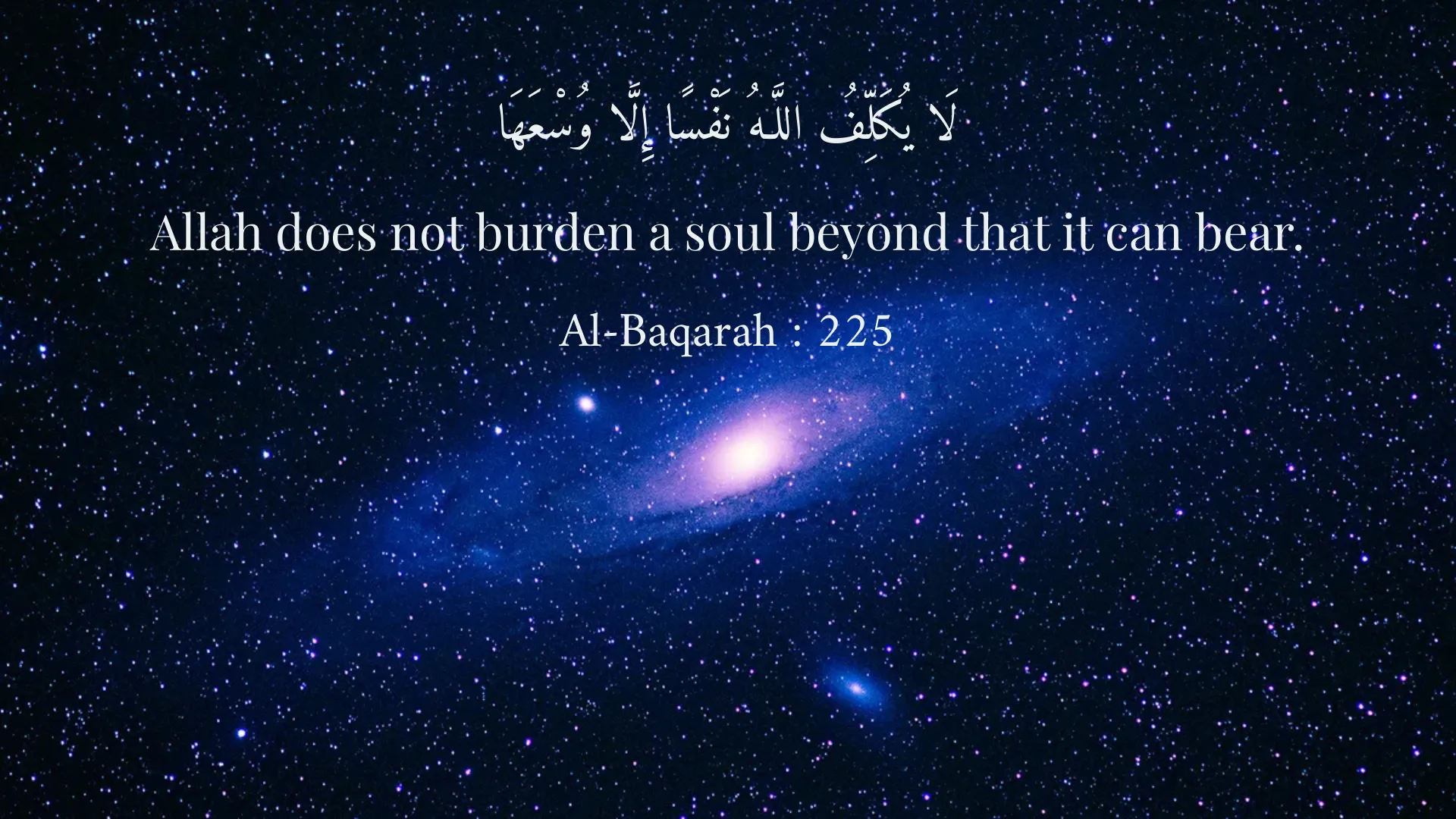
The Holy Quran, revered by Muslims as the direct word of God, provides profound insights into the significance of intentions and actions in the life of a believer. This theme is pervasive throughout the Quran and serves as a guiding principle for Muslims striving to live a life that is pleasing to Allah. The Quran elucidates that the measure of a person's worth is not solely based on their actions but is intricately tied to the intentions behind those actions. This notion emphasizes a deeper moral framework that transcends mere superficial evaluations of conduct. In Surah Al-Baqarah, verse 225, Allah states: 'Allah does not burden a soul beyond that it can bear.’ This verse indicates that God takes into account the individual capacities and limitations of each person. It highlights that the divine evaluation of a person's deeds is influenced by their sincere intentions and personal abilities. Thus, Allah’s judgment is just and compassionate, acknowledging the various circumstances and trials each soul faces. The verse underscores the significance of having good intentions, as God knows the heart and mind of every individual. Moreover, the relationship between intentions and actions is beautifully captured in Surah Al-Imran, verse 28, where it states: 'Indeed, the allies of Allah are merely the righteous.' This verse emphasizes that the connection and friendship between individuals and God are fundamentally rooted in their piety, which arises from their good intentions. It suggests that a sincere approach towards actions is crucial for developing a meaningful bond with the divine. Here, righteousness is not merely a label but a prevalent practice driven primarily by honest intentions. The strength of this idea lies in its practical implications. In everyday life, one might observe various individuals engaging in acts of charity, kindness, or even justice. However, the Quran reminds us that the outcome of these actions is secondary to the intent behind them. Even if the results of a good deed do not materialize as expected, what truly matters is the purity of the intention. A person who acts with a sincere heart, driven by the desire to please Allah, is assured a reward, reflecting the divine understanding of human limitations. Another significant message of the Quran related to intentions and actions is delivered in Surah Al-Ma'idah, verse 32, which states: ‘Whoever kills a soul unless for a soul or for corruption [done] in the land - it is as if he had slain mankind entirely.’ This sobering verse illustrates the categorical importance of intention and action in the eyes of Allah. It enforces the notion that every action has consequences, and malicious intent can lead to dire repercussions in the world and the hereafter. The gravity of such actions emphasizes that intentions should consistently align with moral values and ethical principles. These verses collectively highlight the overarching truth that in the eyes of Allah, the heart's intention is where righteousness begins, and hence its paramount importance in a believer's life. Beyond these interpretations, the statements within the Quran encourage individuals to constantly reflect on their motives. Engaging in self-assessment allows believers to ensure that their actions stem from genuine love for Allah and not merely for societal approval or personal gain. The Quran prompts Muslims to cultivate a spirit of introspection where they regularly examine their intentions and motivations before undertaking any action. This practice not only nurtures spiritual growth but also fosters a sense of community with shared values rooted in righteousness. Furthermore, Islamic teachings emphasize that maintaining good intentions extends beyond individual actions to communal behaviors as well. The concept of collective responsibility is prominent in Islam, encouraging individuals to support one another in their pursuits of goodness. This aspect reinforces the interconnectedness of intentions and actions within society, ensuring that individuals help elevate one another in pursuit of virtuous aims. Each member's contributions towards the community are validated through their intentions, creating a society grounded in mutual support and encouragement of piety. In this context, it becomes evident that intentions serve as the foundation for actions, both personal and communal. Strong, benevolent intentions can lead to social harmony, fostering an environment where the goodness multiplies. This is especially significant in today’s world, which often seems distant from values of kindness and sincerity. Adopted broadly, this principle could mitigate various social issues, promoting peace and compassion. In conclusion, the Quran emphasizes that having good intentions holds substantial importance in the eyes of Allah. This divine assessment highlights the necessity for individuals to strive not only for commendable actions but to do so with intentions rooted in sincere faith and piety. By prioritizing the quality of our intentions, we align ourselves closer with Allah's expectations and, consequently, can build a society based on mutual respect, empathy, and righteousness. Ultimately, the path towards fulfilling one’s purpose as ordained by Allah is illuminated through the sincerity of one's heart and intentions, which come together to define a true believer.
Related Verses
لَا يُكَلِّفُ اللَّـهُ نَفْسًا إِلَّا وُسْعَهَا
Allah does not burden a soul beyond that it can bear.
Al-Baqarah : 225
إِنَّمَا أَوْلِيَاؤُهُ إِلَّا الْمُتَّقُونَ
Indeed, the allies of Allah are merely the righteous.
Al-Imran : 28
مَن قَتَلَ نَفْسًا بِغَيْرِ نَفْسٍ أَوْ فَسَادٍ فِي الْأَرْضِ فَكَأَنَّمَا قَتَلَ النَّاسَ جَمِيعًا
Whoever kills a soul unless for a soul or for corruption [done] in the land - it is as if he had slain mankind entirely.
Al-Ma'idah : 32
Short Story
One day, a man was deeply contemplating his intentions in the market. He always tried to do good deeds, yet the outcomes were often unstable. Remembering the verses of the Quran, he realized that God looks more at intentions than the results of actions. With this insight, he changed his life and found greater peace.